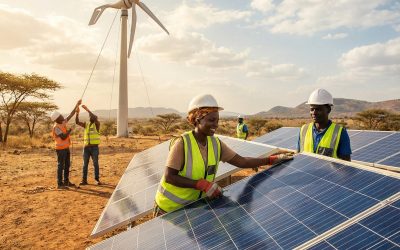
East Africa is witnessing a surge of young leaders driving change across diverse sectors such as technology, governance, education, and social entrepreneurship. These individuals are leveraging innovation, resilience, and collaboration to address challenges and create opportunities for sustainable development. This article profiles some of the most inspiring next-generation leaders who are shaping the future of East Africa.
The Rise of Young Leaders in East Africa
With a youthful population and a growing emphasis on innovation and entrepreneurship, East Africa is positioning itself as a hub for transformative leadership. Initiatives like the Young African Leaders Initiative (YALI) and regional programs focusing on leadership development are nurturing talent and fostering a culture of innovation. Despite facing challenges such as limited resources and bureaucratic hurdles, young leaders are making remarkable strides in driving progress.
Profiles of Emerging Leaders
1. John Kamara: Tech Innovator (Kenya)
John Kamara is a Kenyan entrepreneur revolutionizing the tech industry in East Africa. As the founder of AIfluence, a company that uses artificial intelligence to optimize influencer marketing, John is transforming how businesses engage with audiences. He is also a mentor to startups, helping young innovators scale their solutions and create jobs.
2. Leah Namugerwa: Climate Activist (Uganda)
At just 19 years old, Leah Namugerwa is a passionate advocate for environmental sustainability. Inspired by Greta Thunberg, Leah leads tree-planting campaigns and climate strikes in Uganda. Her initiative, Birthday Trees Project, encourages people to plant trees as part of their celebrations, promoting reforestation and climate awareness.
3. Abel Mumo: Social Entrepreneur (Tanzania)
Abel Mumo is the founder of Bright Futures Tanzania, an organization focused on empowering underprivileged youth through vocational training and mentorship. Abel’s work has provided hundreds of young people with skills and opportunities, enabling them to build better futures.
4. Fatima Ahmed: Education Reformer (Somalia)
Fatima Ahmed is a leading advocate for education reform in Somalia. Through her NGO, Educate for Tomorrow, she has launched programs to improve access to quality education for girls and marginalized communities. Fatima’s efforts have helped increase literacy rates and empower young women across the country.
5. Samuel Odhiambo: Agribusiness Pioneer (Kenya)
Samuel Odhiambo is transforming agriculture in Kenya through his company, GreenHarvest Solutions, which provides farmers with sustainable technologies like drip irrigation and organic fertilizers. Samuel’s initiatives have boosted productivity and incomes for smallholder farmers while promoting environmentally friendly practices.
The Impact of Young Leaders
Driving Innovation
Leaders like John Kamara and Samuel Odhiambo are introducing groundbreaking solutions in technology and agriculture, enhancing efficiency and productivity across industries.
Promoting Sustainability
Young environmentalists like Leah Namugerwa are tackling climate change head-on, advocating for policies and practices that ensure a sustainable future.
Empowering Communities
Social entrepreneurs like Abel Mumo and Fatima Ahmed are empowering vulnerable groups through education, training, and mentorship, fostering inclusivity and resilience.
Enhancing Regional Collaboration
By participating in regional and international forums, East Africa’s young leaders are strengthening cross-border collaboration and sharing best practices.
Challenges Faced by Emerging Leaders
Limited Resources
Access to funding, mentorship, and infrastructure remains a significant challenge for young leaders and entrepreneurs.
Bureaucratic Hurdles
Cumbersome regulations and inefficiencies in governance can stifle innovation and slow progress.
Social and Cultural Barriers
Traditional mindsets and societal norms often discourage young people, particularly women, from taking on leadership roles.
Strategies to Support Young Leaders
Expanding Access to Funding
Creating youth-focused grants, loans, and investment opportunities can provide the financial support needed to scale impactful initiatives.
Building Leadership Networks
Regional platforms that connect young leaders across East Africa encourage collaboration, knowledge-sharing, and peer mentorship.
Enhancing Education and Training
Investing in leadership development programs, particularly those focused on critical skills like technology, communication, and project management, can empower the next generation of leaders.
Promoting Inclusive Policies
Governments can implement policies that encourage youth participation in leadership, including quotas and mentorship programs.
The Future of Leadership in East Africa
The next generation of leaders is not only transforming East Africa but also setting an example for the continent. With the right support systems, these young visionaries can drive unprecedented progress in economic, social, and environmental spheres. By investing in youth and fostering a culture of innovation and inclusion, East Africa is poised to lead Africa’s development agenda.
Conclusion: Shaping a Brighter Future
East Africa’s young leaders are redefining what it means to lead, tackling complex challenges with bold ideas and collaborative approaches. Their work is a testament to the region’s potential and resilience. By empowering these leaders, East Africa can ensure a brighter, more inclusive, and sustainable future for all its citizens.
 WhatsApp for a Google-Ready Website