The e-commerce industry in North Africa is experiencing rapid growth, fueled by increased internet penetration, mobile usage, and changing consumer behavior. For entrepreneurs looking to capitalize on this trend, building a successful e-commerce business requires strategic planning, market understanding, and adaptability. This article provides a step-by-step guide to launching and scaling an e-commerce business in North Africa, highlighting opportunities and challenges along the way.
Understanding the Market Landscape
North Africa’s e-commerce market is diverse, with each country presenting unique opportunities. Morocco and Egypt lead the region in e-commerce adoption, driven by urbanization and a growing middle class. Tunisia and Algeria are also witnessing steady growth, with increasing demand for online retail in sectors like electronics, fashion, and groceries.
Mobile commerce plays a significant role in the region, with many consumers using smartphones as their primary device for shopping. Social media platforms like Facebook and Instagram further influence purchasing decisions, making them critical channels for e-commerce businesses.
Steps to Build a Successful E-Commerce Business
1. Research and Identify Your Niche
Understanding the market is essential. Entrepreneurs should research consumer preferences, analyze competitors, and identify underserved niches. Popular niches in North Africa include fashion, electronics, beauty products, and locally crafted goods.
2. Develop a User-Friendly Platform
A seamless and intuitive e-commerce platform is key to attracting and retaining customers. Mobile optimization is crucial, as a significant portion of online shopping occurs on smartphones. Platforms like Shopify and WooCommerce offer customizable solutions for creating professional online stores.
3. Implement Secure Payment Solutions
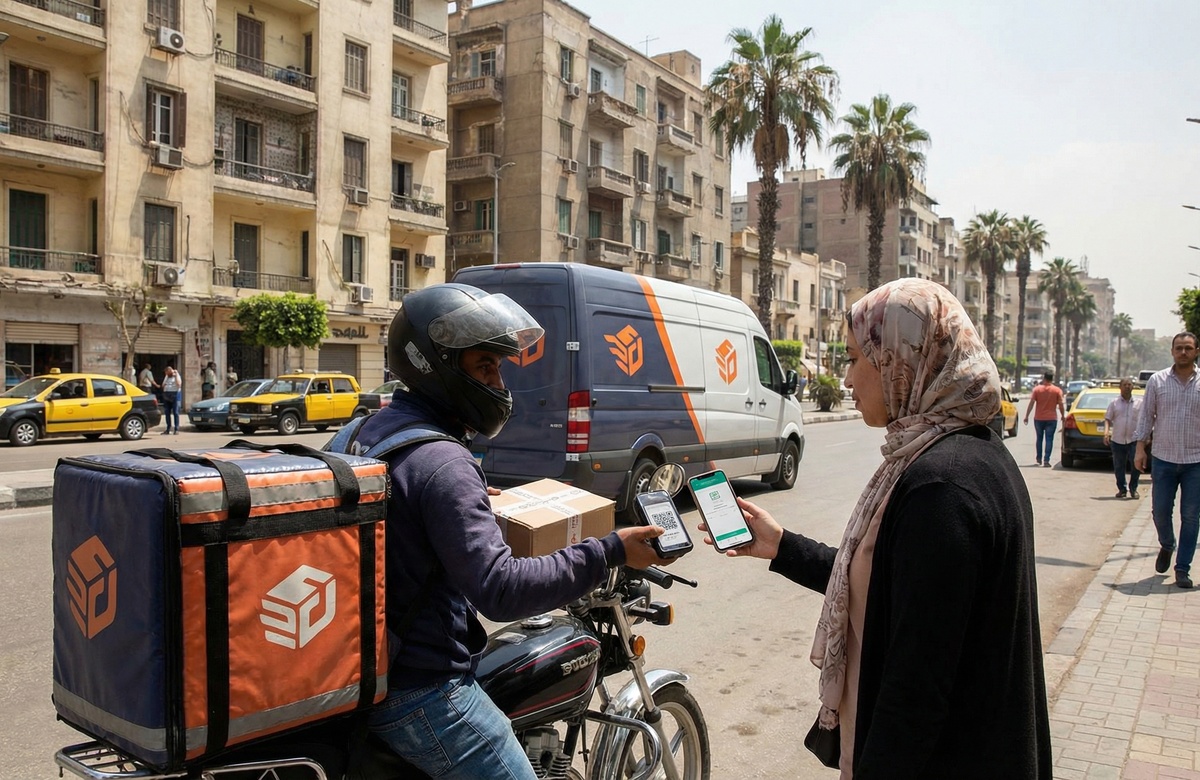
Payment security is a top priority for North African consumers. Integrating secure payment gateways like PayTabs, Fawry, or CIB ensures consumer confidence. Offering multiple payment options, including cash on delivery, further broadens accessibility.
4. Leverage Social Media Marketing
Social media is a powerful tool for reaching potential customers. Engaging content, targeted ads, and influencer partnerships can boost brand visibility and drive traffic to your online store. Platforms like Instagram and TikTok are particularly effective for promoting fashion and lifestyle products.
5. Focus on Logistics and Delivery
Efficient logistics are critical to customer satisfaction. Partnering with reliable courier services or developing in-house delivery systems ensures timely and accurate deliveries. For cross-border e-commerce, understanding customs regulations and fees is essential.
Challenges in E-Commerce
Building a successful e-commerce business in North Africa comes with challenges. Limited internet access in rural areas can restrict market reach, while logistical inefficiencies and high shipping costs pose additional hurdles. Regulatory complexities, including taxes and import duties, can also impact profitability.
Overcoming Challenges
To overcome these barriers, entrepreneurs can adopt the following strategies:
Expand Digital Literacy: Educating potential customers about online shopping and payment security builds trust and increases adoption.
Optimize Logistics: Collaborating with local courier services and implementing route optimization technology reduces delivery times and costs.
Leverage Local Insights: Understanding cultural nuances and consumer preferences enhances product offerings and marketing strategies.
Foster Collaboration: Partnering with local businesses and artisans adds value to product catalogs and supports community-based growth.
The Future of E-Commerce in North Africa
As digital infrastructure improves and consumer confidence grows, North Africa’s e-commerce market is set to expand further. Entrepreneurs who prioritize innovation, customer experience, and adaptability will thrive in this dynamic landscape.
With the right strategies, e-commerce businesses can not only succeed but also contribute to economic development, creating jobs and driving digital transformation in the region.
 WhatsApp for a Google-Ready Website