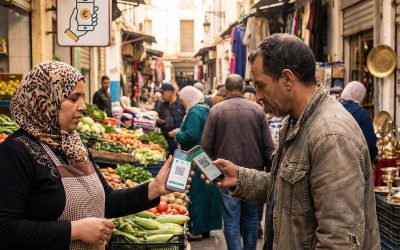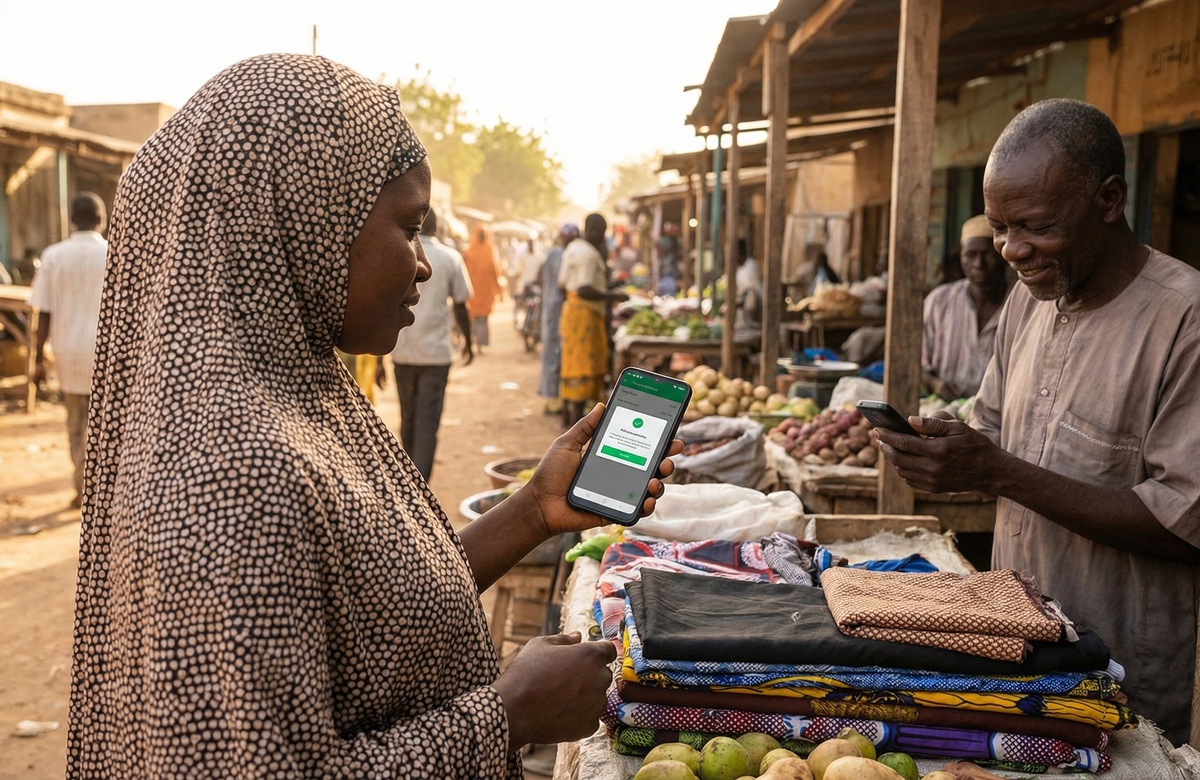
Mobile payments are at the forefront of Chad’s digital transformation, offering a solution to the country’s low banking penetration and enabling the growth of its digital economy. Platforms like Airtel Money and Moov Money are revolutionizing financial transactions, making it easier for individuals and businesses to access and use financial services. This article explores how mobile payments are driving economic inclusion, fostering e-commerce, and supporting innovation in Chad.
The Rise of Mobile Payments in Chad
With only 12% of the population having access to traditional banking services, mobile payments have become a lifeline for financial inclusion in Chad. The widespread use of mobile phones, even in rural areas, has paved the way for platforms like Airtel Money to provide financial services that were previously inaccessible.
Mobile payment systems enable users to:
Transfer money.
Pay bills.
Purchase goods and services online.
Save and borrow funds.
The simplicity, affordability, and convenience of mobile payments have made them indispensable for individuals and businesses alike.
Key Mobile Payment Platforms in Chad
1. Airtel Money
As one of the largest mobile payment providers in Chad, Airtel Money offers services ranging from money transfers to bill payments and merchant transactions. Its extensive network of agents ensures accessibility even in remote areas.
2. Moov Money
Moov Money is another significant player, providing secure and fast mobile financial services. The platform is popular among small businesses for accepting payments and managing day-to-day transactions.
3. M-Pesa
Although primarily known for its success in East Africa, M-Pesa has recently expanded its reach into Central Africa, including Chad. Its emphasis on microfinance and rural inclusion is particularly relevant to Chad’s economic landscape.
The Impact of Mobile Payments on Chad’s Economy
Enabling E-Commerce
Mobile payments are a driving force behind the growth of e-commerce in Chad. Platforms like SahelMarket rely on mobile payment systems to facilitate secure and seamless transactions, encouraging more consumers to shop online.
Promoting Financial Inclusion
By reaching unbanked populations, mobile payments empower individuals to participate in the formal economy. This inclusion fosters savings, investments, and access to credit, driving economic growth.
Supporting Small Businesses
Small and medium-sized enterprises (SMEs) use mobile payment systems to manage transactions, reduce cash-handling risks, and expand their customer base. These tools help businesses streamline operations and improve efficiency.
Boosting Government Revenue
Digital payment systems improve transparency in financial transactions, helping governments track economic activity and increase tax revenues.
Challenges in Expanding Mobile Payments
Limited Internet Connectivity
While mobile payments do not always require internet access, limited connectivity can still hinder platform adoption in some rural areas.
Lack of Trust
Some consumers and businesses remain hesitant to adopt mobile payment systems due to concerns about fraud and security.
Low Digital Literacy
Many users, especially in rural areas, lack the knowledge to navigate mobile payment platforms effectively.
Infrastructure Deficits
The absence of reliable power supply and agent networks in certain regions poses logistical challenges for expanding mobile payment services.
Strategies to Strengthen Mobile Payments in Chad
Expanding Agent Networks
Building a broader network of mobile money agents will enhance accessibility, particularly in underserved regions.
Increasing Digital Literacy
Providing education programs to teach individuals how to use mobile payment platforms will encourage adoption and build confidence.
Enhancing Security
Strengthening cybersecurity measures and raising awareness about fraud prevention can build trust among users.
Developing Partnerships
Collaborations between mobile payment providers, e-commerce platforms, and government agencies can create synergies that accelerate adoption and innovation.
The Future of Mobile Payments in Chad
Mobile payments are set to play a pivotal role in Chad’s digital economy, driving innovation, inclusion, and economic growth. As technology advances and connectivity improves, these platforms will become even more integral to daily life and business operations. With strategic investments and supportive policies, Chad can unlock the full potential of mobile payments and position itself as a leader in digital financial services in Central Africa.
Conclusion: A Cashless Future for Chad
The rise of mobile payments in Chad is transforming how people and businesses engage with the economy. By bridging financial gaps and fostering innovation, these platforms are creating new opportunities for growth and development. As Chad embraces the digital revolution, mobile payments will undoubtedly remain at the heart of its economic transformation.
 WhatsApp for a Google-Ready Website