Global economic trends have a profound impact on North Africa’s economies, shaping trade dynamics, investment flows, and sectoral growth. As the region becomes increasingly integrated into the global economy, external forces such as shifts in commodity prices, geopolitical developments, and technological advancements play a pivotal role in influencing its economic trajectory. This article examines key global economic trends and their ripple effects on North Africa’s development.
Fluctuations in Commodity Prices
North Africa’s economies are heavily influenced by the global prices of commodities such as oil, natural gas, and agricultural products. Countries like Algeria and Libya, which rely on hydrocarbon exports, experience economic volatility when oil prices fluctuate. Declining prices can strain national budgets and limit public spending, while price hikes offer opportunities for increased revenues and investments.
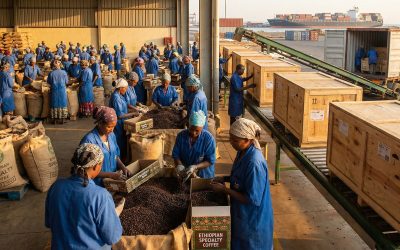
Conversely, agricultural exporters like Morocco and Egypt benefit from strong global demand for products such as citrus fruits, olives, and grains. However, these industries are also vulnerable to international price competition and climate-induced supply chain disruptions.
Geopolitical Shifts and Trade Dynamics
Global geopolitical developments significantly impact North Africa’s trade relationships and economic stability. For example, the African Continental Free Trade Area (AfCFTA) offers opportunities for regional integration and expanded trade within Africa. At the same time, shifting trade policies in major economies like the United States and China influence export opportunities and foreign investment flows.
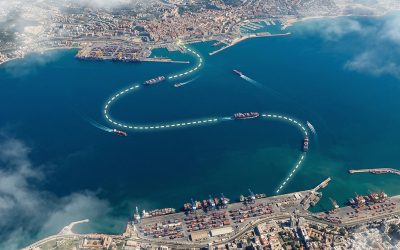
Additionally, North Africa’s strategic location positions it as a gateway for trade between Europe, Africa, and the Middle East. Geopolitical tensions in these regions, however, can disrupt supply chains and affect investor confidence.
Technological Advancements
The rapid pace of technological innovation presents both challenges and opportunities for North Africa. The global shift towards digital transformation is encouraging North African businesses to adopt advanced technologies such as artificial intelligence (AI), blockchain, and renewable energy solutions.
These technologies enhance competitiveness, streamline operations, and open new market opportunities. For example, Morocco’s investments in solar energy and Tunisia’s burgeoning tech startup ecosystem demonstrate how North Africa can leverage global technological trends for growth.
Global Investment Trends
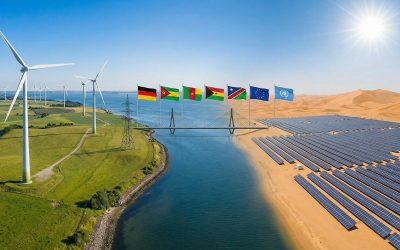
Foreign direct investment (FDI) is a critical driver of economic development in North Africa. Global trends, such as the increasing focus on sustainability and green investments, are influencing the region’s ability to attract foreign capital. Renewable energy projects, like Algeria’s solar farms and Egypt’s wind power initiatives, align with these global priorities, drawing interest from international investors.
However, competition for FDI is intense, and North Africa must address challenges such as regulatory barriers, infrastructure gaps, and political instability to remain competitive.
Impact of Global Supply Chain Disruptions
Global supply chain disruptions, exacerbated by the COVID-19 pandemic and geopolitical conflicts, have highlighted vulnerabilities in North Africa’s trade networks. These disruptions have increased transportation costs, delayed shipments, and impacted industries reliant on imported goods.
To mitigate these effects, countries in the region are focusing on strengthening local supply chains, diversifying trade partners, and investing in logistics infrastructure. Regional integration under AfCFTA also offers a pathway to building more resilient trade networks.
Strategies for Adapting to Global Trends
North Africa can capitalize on global economic trends by adopting proactive strategies, including:
Diversifying Economies: Reducing reliance on hydrocarbons and investing in sectors such as technology, agriculture, and manufacturing to build resilience against global shocks.
Enhancing Regional Collaboration: Leveraging regional agreements like AfCFTA to boost intra-African trade and create synergies among North African economies.
Investing in Education and Innovation: Developing a skilled workforce and fostering innovation ensures competitiveness in a rapidly changing global landscape.
Promoting Green Growth: Aligning with global sustainability priorities by investing in renewable energy and adopting eco-friendly practices.
The Way Forward
Global economic trends will continue to shape North Africa’s development, presenting both opportunities and challenges. By aligning national strategies with global priorities and fostering regional collaboration, North Africa can navigate these trends effectively, ensuring sustainable growth and economic stability.
As the region adapts to an evolving global landscape, its resilience, innovation, and strategic positioning will determine its success in harnessing the benefits of globalization.
 WhatsApp for a Google-Ready Website