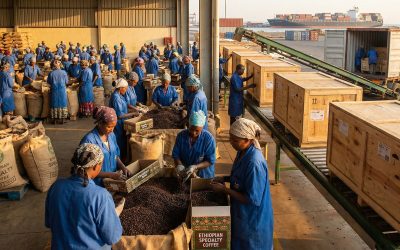
Chad plays a pivotal role in regional trade agreements within Central Africa, leveraging its strategic geographic location to facilitate economic collaboration. As a member of key trade blocs like the Economic Community of Central African States (ECCAS) and the African Continental Free Trade Area (AfCFTA), Chad has significant opportunities to boost its economy through improved trade relations, infrastructure development, and cross-border cooperation. This article explores Chad’s contributions to regional trade agreements and how these partnerships shape its economic prospects.
Chad’s Strategic Importance in Central Africa
Chad is a landlocked country bordered by six nations, including major economies like Nigeria and Cameroon. This geographic positioning makes Chad a natural hub for regional trade, connecting Central and West Africa. Trade agreements allow Chad to overcome its landlocked challenges by improving access to international markets through regional infrastructure and collaboration.
Regional Trade Agreements and Chad’s Participation
1. Economic Community of Central African States (ECCAS)
ECCAS is a regional economic bloc aimed at promoting trade, development, and integration among its 11 member states. Chad’s participation in ECCAS focuses on:
Enhancing cross-border trade with neighbors like Cameroon and the Central African Republic.
Coordinating efforts to reduce trade barriers, such as tariffs and customs delays.
Facilitating regional projects like the Central African Road Corridors, which connect Chad to seaports in Cameroon.
2. African Continental Free Trade Area (AfCFTA)
As a member of AfCFTA, Chad benefits from access to a unified African market of over 1.3 billion people. The agreement offers Chad opportunities to:
Expand exports of goods like livestock and cotton.
Attract investments in manufacturing and value-added industries.
Strengthen its position in regional value chains, particularly in agriculture and textiles.
3. CEMAC (Central African Economic and Monetary Community)
Chad is also a member of CEMAC, which promotes economic stability through a shared currency (the Central African CFA franc) and coordinated trade policies. CEMAC’s efforts to harmonize trade regulations and infrastructure development directly benefit Chad’s trade activities.
Opportunities for Chad in Regional Trade Agreements
1. Boosting Agricultural Exports
Chad’s economy relies heavily on agriculture, with exports such as cattle, cotton, and sesame seeds. Trade agreements reduce tariffs and streamline processes, making it easier for Chadian farmers to access regional markets.
2. Infrastructure Development
Regional trade agreements prioritize the development of transport corridors, railways, and energy grids. Projects like the Douala Corridor enhance Chad’s connectivity to international ports, reducing trade costs and delays.
3. Diversifying the Economy
By participating in regional value chains, Chad can diversify beyond raw material exports to include processed goods, textiles, and other value-added products.
4. Encouraging Cross-Border Collaboration
Trade agreements foster partnerships between Chad and its neighbors in industries like mining, agriculture, and energy. Collaborative projects strengthen regional integration and create shared economic benefits.
Challenges Facing Chad in Regional Trade Integration
Limited Infrastructure
Despite ongoing projects, Chad’s road, rail, and energy networks remain underdeveloped, limiting its ability to compete in regional markets.
Non-Tariff Barriers
Customs inefficiencies, bureaucratic delays, and inconsistent trade regulations hinder the smooth flow of goods across borders.
Political and Security Instability
Regional instability, including conflicts in neighboring countries, disrupts trade and discourages investments in Chad’s economy.
Limited Industrial Base
Chad’s reliance on raw material exports and lack of industrialization reduce its competitiveness in regional value chains.
Strategies for Maximizing Chad’s Role in Regional Trade
1. Investing in Transport Infrastructure
Chad must prioritize the completion of major transport projects, such as the Douala Corridor and the Trans-Saharan Highway, to improve access to ports and neighboring markets.
2. Streamlining Customs Procedures
Simplifying customs regulations and adopting digital systems for trade documentation can reduce delays and increase trade efficiency.
3. Developing Industrial Parks
Establishing industrial zones near trade corridors will encourage value addition, create jobs, and boost exports of processed goods.
4. Strengthening Regional Collaboration
Chad can work closely with ECCAS and CEMAC to harmonize trade policies, reduce non-tariff barriers, and foster collaborative projects.
5. Promoting Climate-Resilient Agriculture
Investing in sustainable agricultural practices will enhance Chad’s capacity to meet regional food demand while mitigating the effects of climate change.
Case Study: The Douala Corridor’s Impact
The Douala Corridor is a critical trade route connecting Chad to Cameroon’s Douala Port. By reducing transport costs and delivery times, the corridor has improved Chad’s trade competitiveness. Future investments in this corridor, such as road upgrades and logistics hubs, will further enhance Chad’s integration into regional markets.
The Future of Chad in Regional Trade
Chad’s active participation in regional trade agreements positions it as a key player in Central Africa’s economic development. By addressing infrastructure gaps, fostering industrialization, and promoting cross-border collaboration, Chad can unlock the full potential of its trade partnerships. These efforts will not only benefit Chad’s economy but also contribute to the broader goal of regional integration and prosperity.
Conclusion: Strengthening Regional Ties
Chad’s engagement in regional trade agreements demonstrates its commitment to economic growth and integration. With strategic investments and collaborative policies, Chad can leverage its geographic position to become a central hub for trade in Central Africa. As trade barriers diminish and infrastructure improves, Chad is well-positioned to capitalize on the opportunities offered by these agreements.
 WhatsApp for a Google-Ready Website