Global economic trends have a profound impact on East and Central Africa, shaping industries, influencing policies, and driving opportunities for growth. As the world becomes more interconnected, fluctuations in global markets, advancements in technology, and shifts in trade dynamics are creating ripple effects across the region. This article examines key global economic trends and their implications for East and Central Africa.
Global Economic Trends Influencing the Region
One of the most significant trends affecting East and Central Africa is the shift toward digital transformation. The global emphasis on digital economies has spurred investments in technology infrastructure, such as mobile connectivity and e-commerce platforms, which are expanding access to markets and financial services. This digital revolution is empowering local businesses, particularly small and medium-sized enterprises (SMEs), to compete on a global scale.
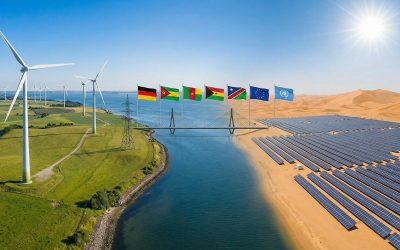
Another critical trend is the growing focus on renewable energy. As the world moves toward decarbonization, investments in solar, wind, and hydroelectric power are increasing in Africa. Countries like Ethiopia and Chad are leveraging their natural resources to expand renewable energy projects, attracting foreign direct investment (FDI) and creating sustainable job opportunities.
Global trade dynamics, particularly the implementation of the African Continental Free Trade Area (AfCFTA), are also reshaping economic interactions. With tariff reductions and streamlined trade policies, East and Central Africa are better positioned to engage in intra-African and international trade, fostering economic diversification and growth.
The Impact of Global Trends on Key Sectors
Agriculture
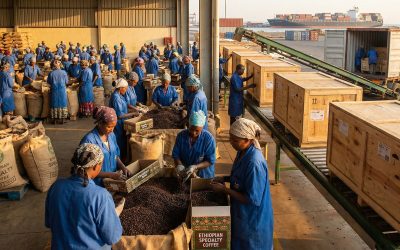
The global demand for organic and sustainably sourced products is influencing agricultural practices in East and Central Africa. Farmers are adopting eco-friendly techniques and leveraging global certifications to access premium markets. For example, Ethiopian coffee producers are benefiting from the rising demand for specialty coffee, which has created opportunities for higher revenue and improved livelihoods.
Technology
The digital economy is accelerating in the region, driven by innovations in fintech, e-commerce, and digital education. Global tech giants and local startups are collaborating to bridge the digital divide, providing access to technology that supports economic growth. The adoption of mobile payment platforms like M-Pesa and Telebirr demonstrates how global tech trends are transforming financial inclusion in Africa.
Energy
The global pivot to renewable energy has made East and Central Africa attractive destinations for investment. Ethiopia’s Grand Renaissance Dam and Chad’s solar energy projects are examples of how the region is harnessing global trends to meet local energy needs. These projects not only address energy deficits but also position the region as a leader in sustainable development.
Trade and Logistics
Changes in global trade policies, including a shift toward regional supply chains, are encouraging East and Central Africa to enhance their logistics infrastructure. Investments in ports, railways, and road networks, such as the Lamu Port-South Sudan-Ethiopia-Transport (LAPSSET) Corridor, are facilitating smoother trade flows and reducing costs.
Challenges Arising from Global Economic Trends
Despite the opportunities, global economic trends also pose challenges for East and Central Africa. Climate change remains a significant threat, with extreme weather events affecting agricultural productivity and water availability. Additionally, the reliance on global markets for exports makes the region vulnerable to price fluctuations and external shocks.
The digital divide is another challenge, as unequal access to technology and infrastructure limits the benefits of digital transformation for rural and underserved communities. Furthermore, geopolitical tensions and trade wars can disrupt supply chains and hinder the region’s integration into global markets.
Strategies for Leveraging Global Trends
To maximize the benefits of global economic trends, East and Central Africa must adopt strategic measures. Investing in infrastructure development is paramount, as improved transport and energy networks will enable the region to compete effectively in global markets. Strengthening education systems, particularly in science, technology, engineering, and mathematics (STEM), will equip the workforce with the skills needed to thrive in a digital economy.
Regional collaboration through frameworks like AfCFTA can enhance trade efficiency and foster collective growth. Additionally, policies that promote sustainability and climate resilience will ensure long-term economic stability.
The Future of East and Central Africa in a Global Context
As global economic trends continue to evolve, East and Central Africa have the potential to emerge as significant players on the international stage. By embracing innovation, fostering sustainability, and strengthening regional integration, the region can navigate challenges and capitalize on opportunities. With the right investments and policies, East and Central Africa can achieve inclusive growth and contribute meaningfully to the global economy.
Conclusion: Navigating a Changing World
Global economic trends are reshaping East and Central Africa, presenting both opportunities and challenges. By aligning local strategies with global shifts, the region can unlock its potential and build a resilient, sustainable, and inclusive economy. As East and Central Africa adapt to these changes, they will play a vital role in shaping the future of the global economy.
 WhatsApp for a Google-Ready Website