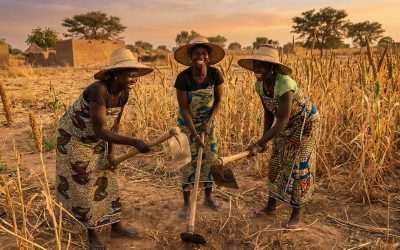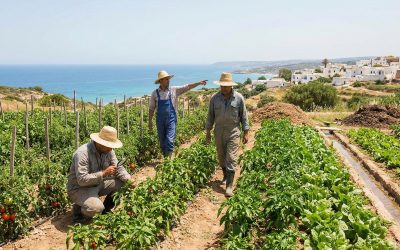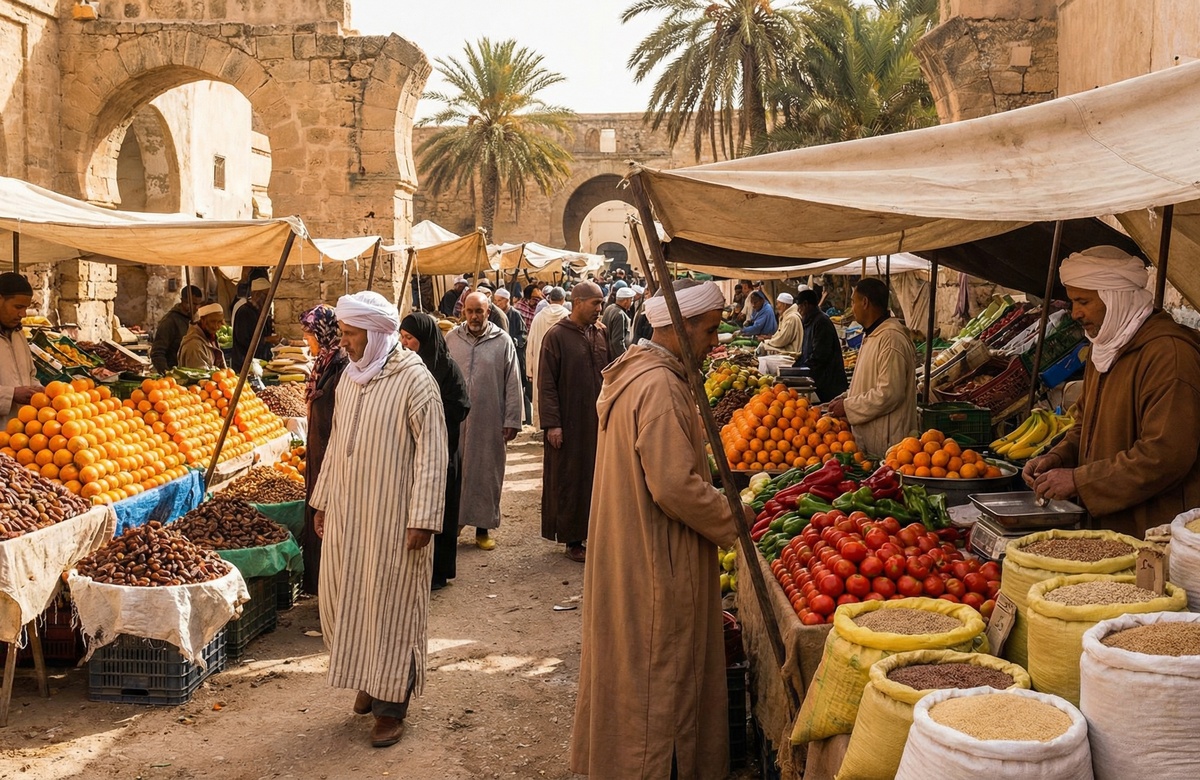
Agriculture has long been a pillar of Algeria’s economy, contributing significantly to employment and food security. With an increasing focus on diversifying the economy beyond oil and gas, agribusiness offers lucrative opportunities for entrepreneurs willing to invest in the sector. This article provides a practical guide to starting and scaling a profitable agribusiness in Algeria, highlighting key strategies, challenges, and opportunities.
Identifying Opportunities in Algeria’s Agribusiness Sector
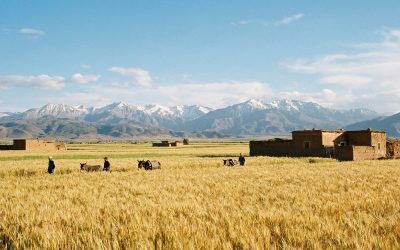
Algeria’s vast and diverse landscapes provide fertile ground for a range of agricultural activities. Key opportunities include crop cultivation, livestock farming, and agro-processing. The production of wheat, barley, olives, and dates remains central to Algeria’s agricultural economy, with high demand both domestically and in export markets. Additionally, the growing appetite for organic and processed foods presents a unique niche for entrepreneurs.
Livestock farming, particularly poultry and cattle, also offers significant potential, driven by rising local demand for meat and dairy products. Entrepreneurs can further capitalize on value-added products such as packaged dates, olive oil, or processed grains to enhance profitability and market reach.
Steps to Starting an Agribusiness in Algeria
1. Research and Feasibility Analysis
The first step in building a successful agribusiness is conducting thorough research. Entrepreneurs should evaluate market demand, climatic conditions, and resource availability for their chosen agricultural activity. Identifying high-demand crops or products with export potential can provide a competitive edge. Feasibility studies also help determine costs, expected revenues, and the viability of the business model.
2. Acquiring Land and Resources
Access to agricultural land is crucial, and Algeria’s government offers incentives to encourage agricultural investments. Programs under the Ministry of Agriculture provide land leases for long-term agricultural projects, particularly in underutilized areas such as the southern regions. Securing adequate water resources, seeds, equipment, and skilled labor is also essential for operational success.
3. Navigating Regulatory Requirements
Registering an agribusiness in Algeria involves adhering to the country’s legal and regulatory framework. Entrepreneurs must obtain permits for land use, water access, and export activities if applicable. Understanding and complying with local tax regulations, agricultural subsidies, and trade agreements can ensure smooth operations.
4. Implementing Modern Farming Techniques
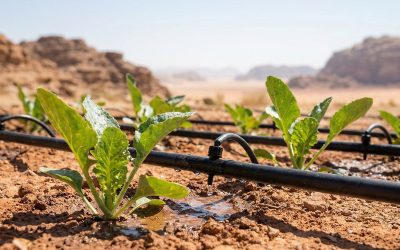
Leveraging modern farming practices and technologies is key to boosting productivity and efficiency. Precision agriculture tools such as drip irrigation, greenhouse farming, and soil testing can optimize yields and conserve resources. Investing in machinery for planting, harvesting, and processing reduces labor dependency and enhances scalability.
5. Building Market Connections
A profitable agribusiness relies on strong market connections. Entrepreneurs should establish supply chain networks to distribute their products locally and internationally. Participation in trade fairs, agricultural expos, and industry forums can open doors to buyers, suppliers, and investors.
Overcoming Challenges in Agribusiness
Like any venture, agribusiness in Algeria comes with its share of challenges. Limited access to financing remains a significant barrier for many entrepreneurs. Small and medium-sized enterprises (SMEs) often struggle to secure loans due to high interest rates and stringent requirements. To address this, the government has introduced microfinance programs and subsidies aimed at supporting agricultural startups.
Water scarcity is another critical issue in Algeria, particularly in arid regions. Entrepreneurs must adopt sustainable water management practices such as rainwater harvesting and the use of treated wastewater to mitigate this challenge. Additionally, fragmented supply chains and limited access to international markets can hinder growth. Building cooperative partnerships and leveraging Algeria’s trade agreements can help overcome these obstacles.
Keys to Scaling Your Agribusiness
Scaling an agribusiness requires strategic planning and continuous innovation. Diversifying product lines, such as adding value-added products or exploring organic farming, can open new revenue streams. Establishing partnerships with exporters or collaborating with local cooperatives can enhance market access. Entrepreneurs should also invest in branding and marketing to build consumer trust and loyalty.
Training and capacity-building initiatives for employees ensure operational efficiency and productivity. Moreover, staying informed about advancements in agricultural technology and practices helps agribusinesses maintain a competitive edge.
The Future of Agribusiness in Algeria
With the government prioritizing agriculture as a key driver of economic diversification, the future of agribusiness in Algeria looks promising. Entrepreneurs who are proactive in adopting modern practices, addressing challenges, and exploring untapped markets stand to benefit from the sector’s immense potential. By focusing on sustainability, innovation, and market connectivity, agribusinesses can thrive and contribute to Algeria’s long-term economic growth.
 WhatsApp for a Google-Ready Website