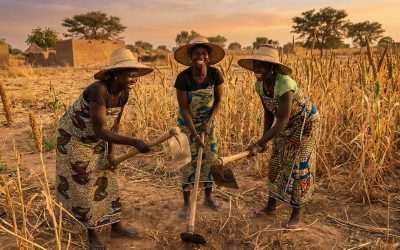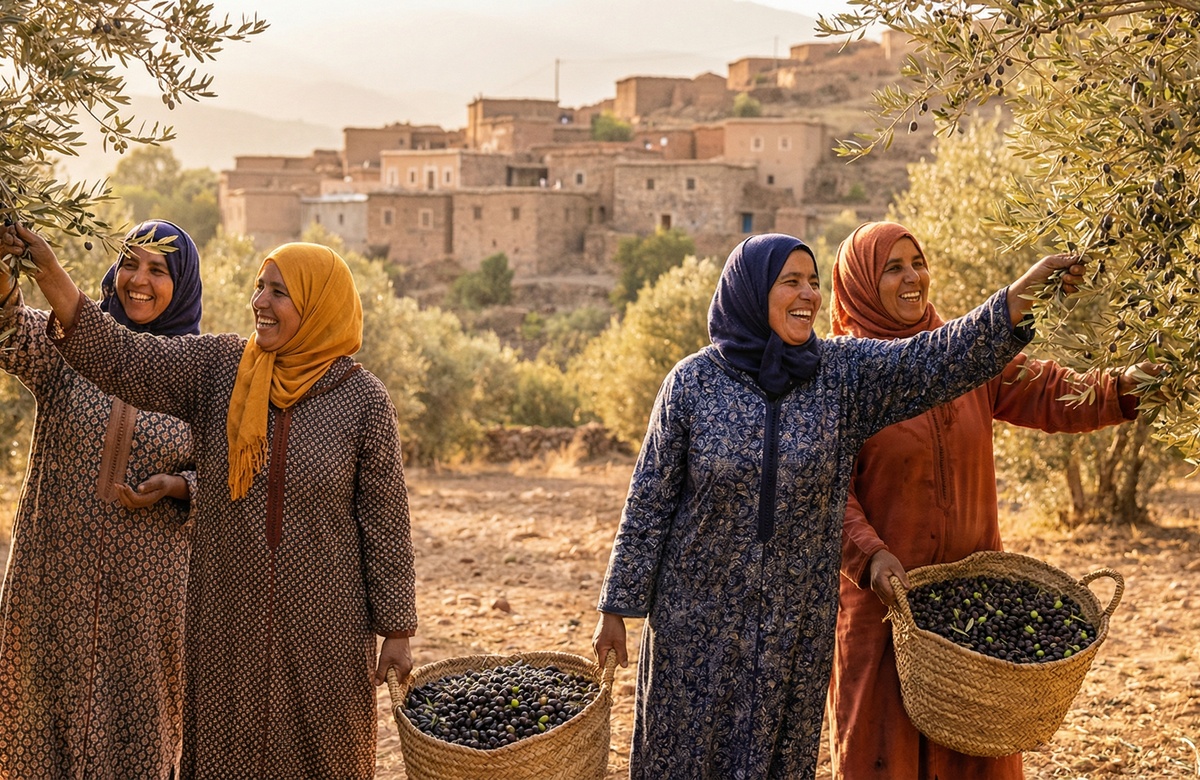
The agricultural sector in Morocco is often perceived as a male-dominated field, but women are increasingly reshaping this narrative. From leading sustainable farming initiatives to exporting high-value organic produce, Moroccan women are emerging as key players in the country’s agricultural development. Their contributions are not only empowering rural communities but also demonstrating the transformative potential of gender inclusion in farming.
The Role of Women in Moroccan Agriculture
Women play a significant role in Morocco’s agricultural workforce, particularly in rural areas where farming is the backbone of local economies. According to the Food and Agriculture Organization (FAO), women account for nearly 43% of the agricultural labor force in Morocco, engaging in activities such as planting, harvesting, and processing crops. However, beyond these traditional roles, many women are now stepping into leadership positions, owning and managing farms, and spearheading innovative agricultural projects.
Success Stories of Women Entrepreneurs
One inspiring example is the story of Fatima Zahra, a farmer from the Souss-Massa region. Fatima transitioned her small olive farm into a thriving organic business by adopting sustainable farming practices and securing certification to export her products to European markets. Today, her olive oil is recognized for its premium quality, and she employs dozens of women from her community, providing stable incomes and training in organic farming techniques.
Another notable figure is Amina El Ouali, who founded a cooperative specializing in the production of argan oil. Amina’s initiative not only supports local women by offering employment but also preserves the argan tree, a critical part of Morocco’s biodiversity. Her cooperative has gained international recognition, with argan oil products being exported to high-end cosmetic brands worldwide.
These stories highlight how women entrepreneurs are not only achieving personal success but also uplifting entire communities through job creation and environmental conservation.
Challenges Faced by Women Farmers
Despite their achievements, women entrepreneurs in Morocco face significant challenges in the agricultural sector. Access to land remains a critical issue, as traditional inheritance practices often favor male family members. Limited access to financing further hampers women’s ability to invest in advanced farming technologies or expand their operations.
Additionally, societal norms and cultural barriers can restrict women’s participation in decision-making processes, both at the household and community levels. Overcoming these challenges requires systemic changes, including legal reforms, financial inclusion programs, and community-based initiatives to promote gender equality.
Government and NGO Support
Recognizing the potential of women in agriculture, the Moroccan government and non-governmental organizations (NGOs) have launched several programs to support female farmers. The Green Morocco Plan, a national agricultural development strategy, includes provisions to empower women through training and funding opportunities. Similarly, NGOs such as Oxfam and Care International are working to strengthen women’s cooperatives and improve their access to resources.
These efforts are beginning to bear fruit, with more women gaining access to land, education, and markets. By investing in women entrepreneurs, Morocco is not only promoting gender equality but also enhancing the overall productivity and sustainability of its agricultural sector.
The Future of Women in Farming
The rise of women entrepreneurs in Moroccan farming signifies a broader trend towards inclusivity and innovation in agriculture. As more women gain access to resources and support, their impact on the sector will continue to grow. From introducing sustainable practices to creating market opportunities, women are poised to play an even greater role in driving Morocco’s agricultural development.
Empowering women in farming is not just a matter of social justice; it is an economic imperative. Studies show that increasing women’s participation in agriculture can significantly boost productivity and improve food security. By fostering an environment where women can thrive, Morocco is paving the way for a more equitable and prosperous future.
 WhatsApp for a Google-Ready Website