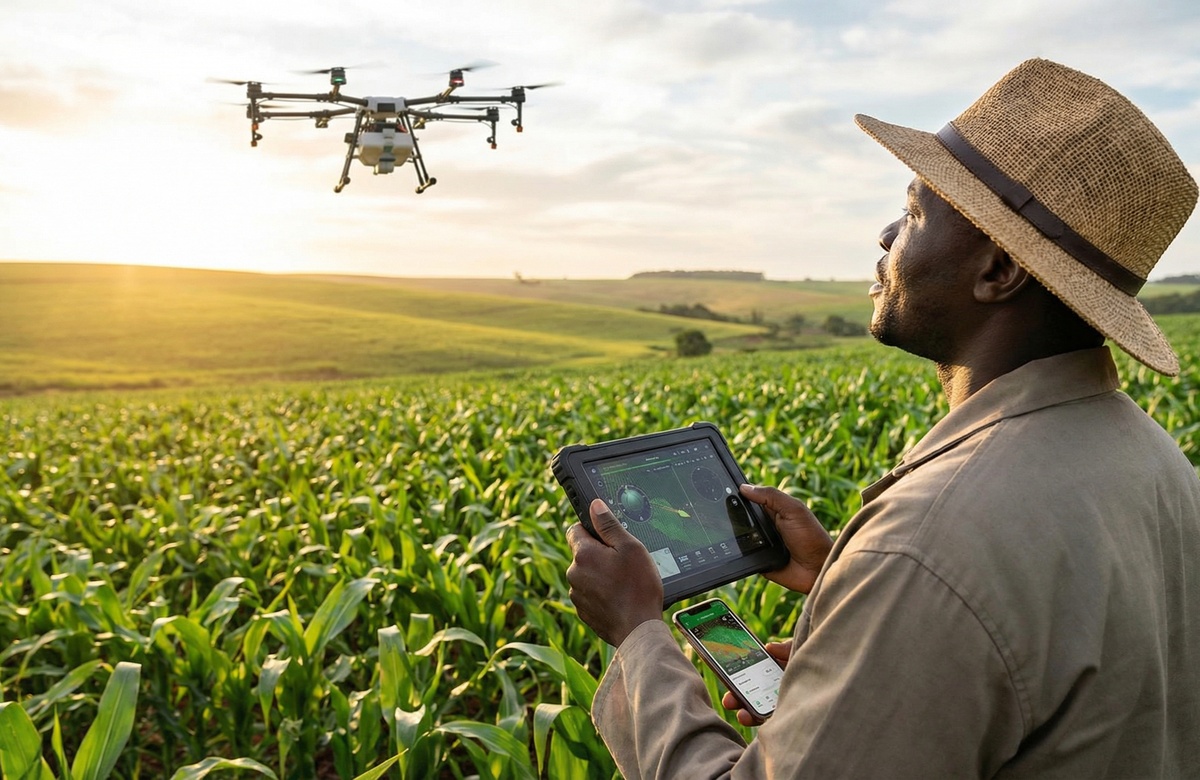
Agriculture has been the backbone of Africa’s economy for centuries, but the sector faces growing challenges, including climate change, food insecurity, and limited resources. The introduction of agricultural technology (Agri-Tech) is revolutionizing farming across the continent, offering innovative solutions to these pressing issues. This article explores how Agri-Tech is shaping the future of farming in Africa.
The Rise of Agri-Tech in Africa
Agri-Tech refers to the use of technology to enhance agricultural processes, from planting to harvesting. In Africa, the adoption of mobile apps, artificial intelligence (AI), drones, and Internet of Things (IoT) devices is creating more efficient, productive, and sustainable farming systems.
Key Agri-Tech Innovations
1. Precision Farming with IoT Devices
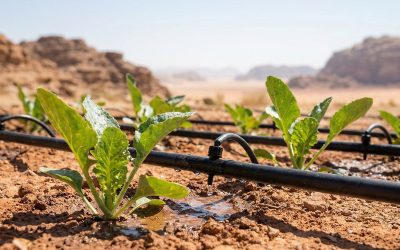
IoT devices are transforming African farms by providing real-time data on soil moisture, temperature, and crop health. These sensors allow farmers to make informed decisions about irrigation, fertilizer application, and pest control, reducing waste and boosting yields.
2. Mobile Apps for Smallholder Farmers
Mobile apps like Hello Tractor in Nigeria and EzyAgric in Uganda connect farmers with resources, including affordable tractor services, weather forecasts, and market prices. These tools empower smallholder farmers to optimize their operations and increase profitability.
3. Drones for Monitoring and Spraying
Drones are becoming increasingly popular for monitoring crop conditions and applying pesticides with precision. They reduce labor costs and ensure even distribution of inputs, improving efficiency and minimizing environmental impact.
4. AI for Climate-Resilient Farming
AI-driven platforms analyze weather patterns and soil conditions to recommend optimal planting times and crop varieties. In Ethiopia, farmers are using AI tools to adapt to unpredictable climate conditions, ensuring better crop survival rates.
Benefits of Agri-Tech Adoption
Agri-Tech offers numerous benefits for African farmers:
Increased Productivity: Advanced tools and data-driven practices lead to higher crop yields.
Cost Savings: Efficient resource use minimizes expenses on water, fertilizer, and labor.
Environmental Sustainability: Precision farming techniques reduce waste and lower the environmental footprint of agriculture.
Market Access: Digital platforms connect farmers with buyers, eliminating middlemen and increasing profits.
Challenges to Overcome
Despite its potential, Agri-Tech adoption faces several barriers:
Limited Access to Technology: High costs and lack of infrastructure make advanced tools inaccessible to many smallholder farmers.
Digital Literacy: Farmers need training to effectively use Agri-Tech tools and platforms.
Funding Gaps: Investment in Agri-Tech startups and initiatives remains insufficient.
Partnerships Driving Agri-Tech Innovation
Collaboration between governments, private companies, and NGOs is essential for scaling Agri-Tech solutions in Africa. Programs like the Alliance for a Green Revolution in Africa (AGRA) and Precision Agriculture for Development (PAD) are supporting farmers with technology and training, paving the way for widespread adoption.
Conclusion: Cultivating a Tech-Driven Future
The future of farming in Africa lies in harnessing the power of Agri-Tech. By addressing challenges and promoting innovation, African nations can achieve sustainable agriculture, enhance food security, and uplift rural economies. As technology becomes more accessible, the agricultural sector will thrive, benefiting millions of farmers and consumers alike.
 WhatsApp for a Google-Ready Website