Microfinance has become a critical tool in supporting small businesses and fostering economic growth in North Africa. By providing access to financial services for individuals and entrepreneurs who lack collateral or credit history, microfinance institutions (MFIs) are empowering underserved communities to create jobs, increase incomes, and improve living standards. This article explores the impact of microfinance on small businesses in the region, highlighting its role in fostering entrepreneurship and reducing poverty.
The Importance of Microfinance in North Africa
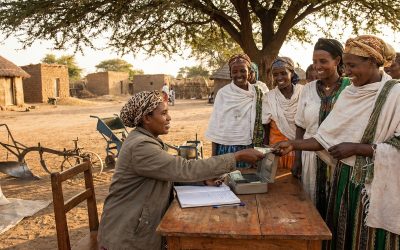
North Africa’s economy is characterized by a high percentage of informal businesses and self-employment. Many small business owners, particularly in rural areas, struggle to access traditional banking services due to stringent lending criteria. Microfinance bridges this gap by offering small loans, savings options, and financial education to individuals who are often excluded from the formal financial sector.
In Egypt, for instance, MFIs have disbursed billions of Egyptian pounds to small entrepreneurs, enabling them to grow businesses ranging from street vending to small-scale manufacturing. Similarly, in Morocco and Tunisia, microfinance plays a crucial role in supporting women-led businesses, fostering economic participation among underserved populations.
Microfinance as a Catalyst for Entrepreneurship
Access to microfinance enables aspiring entrepreneurs to turn ideas into businesses. By offering small loans, MFIs provide the capital needed to start or expand ventures. This access to finance allows entrepreneurs to invest in equipment, inventory, and technology, which in turn boosts productivity and profitability.
For example, in Tunisia, a woman-owned cooperative leveraged microfinance to establish a small artisanal bakery. With initial funding for equipment and ingredients, the business grew into a thriving enterprise that now employs several local workers. Such success stories demonstrate how microfinance transforms lives and contributes to community development.
Beyond Loans: Other Financial Services
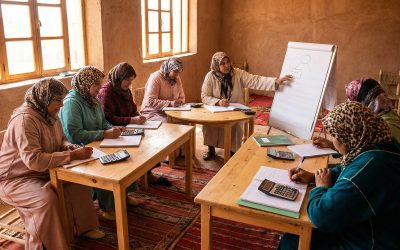
While microloans are the cornerstone of microfinance, many institutions also offer complementary services that enhance financial inclusion. These include savings accounts, which help entrepreneurs manage cash flow, and insurance products that protect against unforeseen risks. Financial literacy programs further empower borrowers to make informed decisions about managing their finances.
In Morocco, MFIs have introduced mobile banking solutions to reach rural communities, enabling farmers and small business owners to access financial services without traveling long distances. This innovation is particularly impactful in remote areas where traditional banks have no presence.
Challenges Facing Microfinance Institutions
Despite its benefits, the microfinance sector in North Africa faces challenges. High operating costs due to small loan sizes and the need for personalized services often make microfinance less profitable for institutions. Additionally, some borrowers struggle with repayment, particularly during economic downturns or in areas with unstable markets.
Regulation is another area of concern. While many countries have made strides in developing legal frameworks for microfinance, inconsistent policies and lack of coordination among stakeholders can hinder the sector’s growth.
The Future of Microfinance in North Africa
The microfinance sector in North Africa has significant growth potential. Governments and international organizations are increasingly recognizing its role in fostering entrepreneurship and reducing poverty. Initiatives like Egypt’s National Strategy for Microfinance aim to increase the sector’s reach, while partnerships with global development organizations are bringing additional funding and expertise.
Technology will play a pivotal role in the future of microfinance. Digital platforms and mobile apps can streamline loan disbursement, improve credit risk assessment, and expand financial education programs. By embracing innovation, MFIs can lower operating costs and reach more underserved communities.
 WhatsApp for a Google-Ready Website