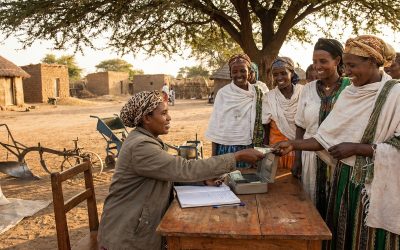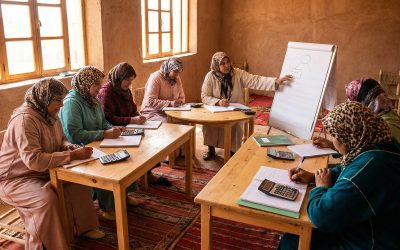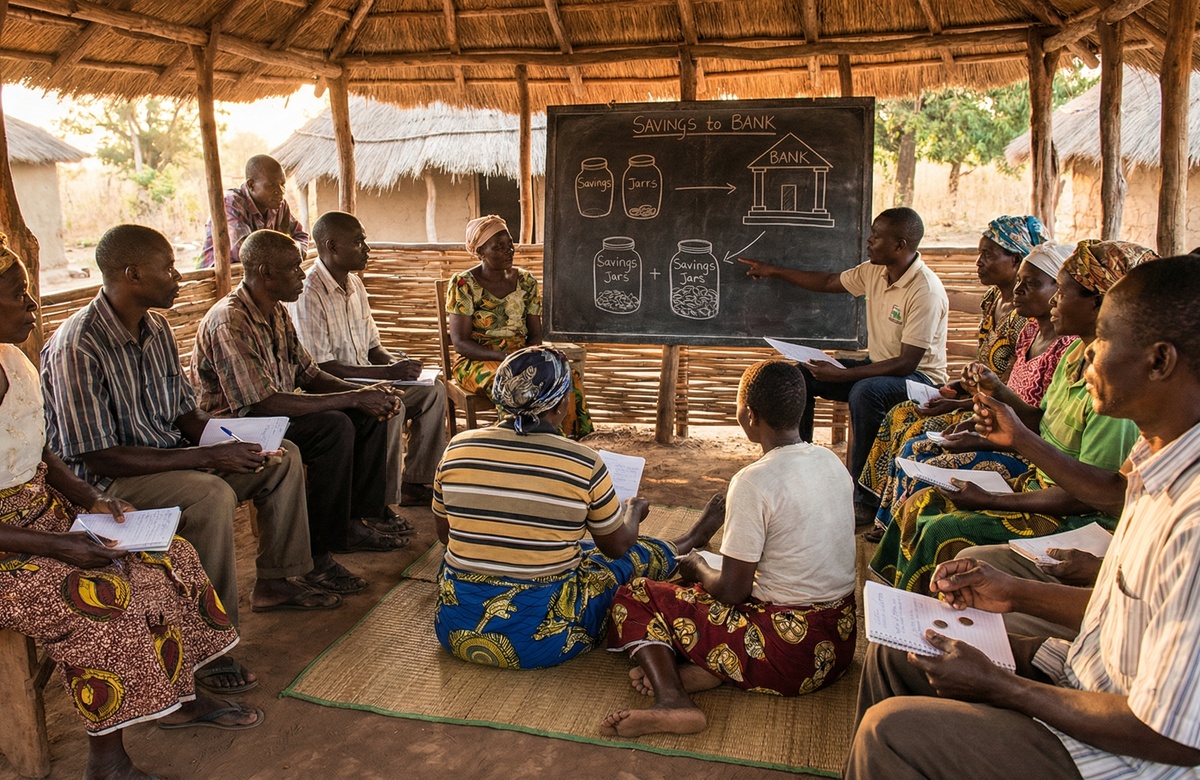
Financial literacy is a critical tool for building wealth and fostering economic empowerment in rural communities. In many African regions, including Ethiopia and Chad, a lack of understanding about basic financial principles limits individuals’ ability to save, invest, and grow their wealth. This article explores the importance of financial literacy, the challenges faced in rural areas, and actionable strategies to promote economic well-being.
The Importance of Financial Literacy
Financial literacy encompasses the knowledge and skills needed to make informed decisions about money management. For rural communities, this knowledge is transformative, enabling individuals to:
Understand Savings and Investments: Financial literacy helps people differentiate between short-term savings and long-term investments, empowering them to plan for the future.
Access Financial Services: Understanding how to use banking services, mobile money, and microfinance can bridge the gap between informal and formal economies.
Reduce Vulnerability: Financially literate individuals are better equipped to handle unexpected expenses, reducing their reliance on high-interest loans or informal borrowing.
Challenges in Rural Financial Education
Limited Access to Education
Many rural residents lack access to formal education, making it difficult to grasp financial concepts. Illiteracy and language barriers further exacerbate this issue, particularly in regions with diverse ethnic groups and languages.
Informal Economies
Rural communities often operate within informal economies, where transactions are cash-based and undocumented. This reduces exposure to structured financial systems and limits opportunities for financial growth.
Cultural and Social Norms
In some communities, cultural norms discourage women from participating in financial decisions, hindering their ability to contribute to household wealth. Addressing these norms is essential for inclusive economic empowerment.
Strategies to Promote Financial Literacy
1. Community-Based Training
Workshops and community gatherings provide an effective platform for delivering financial education. By using relatable examples and interactive activities, trainers can simplify complex concepts and make them accessible to all.
2. Leveraging Technology
Mobile apps and SMS-based platforms have revolutionized financial education in rural areas. For instance, apps like M-Learn offer bite-sized lessons on budgeting, saving, and investing, while SMS reminders encourage users to develop consistent financial habits.
3. School Programs
Integrating financial literacy into school curriculums ensures that the next generation grows up with a strong foundation in money management. Partnerships with NGOs and government agencies can support the implementation of such programs in rural schools.
4. Empowering Women
Specialized programs targeting women can help bridge the gender gap in financial literacy. By equipping women with financial knowledge, communities can benefit from more balanced decision-making and diversified income sources.
Success Stories from Rural Communities
Empowering Farmers in Ethiopia
A financial literacy program run by a local NGO trained Ethiopian farmers on savings and investment strategies. Participants reported a 40% increase in their ability to save for farm equipment, improving their productivity and income levels.
Microfinance Success in Chad
In Chad, a microfinance institution paired small loans with financial literacy training. Borrowers learned to manage debt and budget effectively, leading to a 60% repayment rate and higher household incomes.
The Role of Partnerships in Scaling Impact
Collaboration between governments, NGOs, and financial institutions is crucial for scaling financial literacy initiatives. Programs like the African Development Bank’s Financial Inclusion Project provide funding and technical support for rural financial education, ensuring sustainable outcomes.
Conclusion: Unlocking Potential Through Knowledge
Financial literacy is a powerful enabler for rural communities, equipping individuals with the tools they need to save, invest, and build wealth. By addressing the challenges of limited access and cultural barriers, and by leveraging technology and partnerships, Africa’s rural populations can achieve greater economic empowerment and resilience.
 WhatsApp for a Google-Ready Website