In Ethiopia’s rural communities, access to financial services has long been a challenge. Traditional banking systems often fail to reach remote areas, leaving many entrepreneurs unable to grow their businesses. Microfinance has emerged as a game-changer, enabling rural entrepreneurs to access small loans, savings accounts, and other financial tools that drive economic development and reduce poverty.
The Role of Microfinance in Rural Development
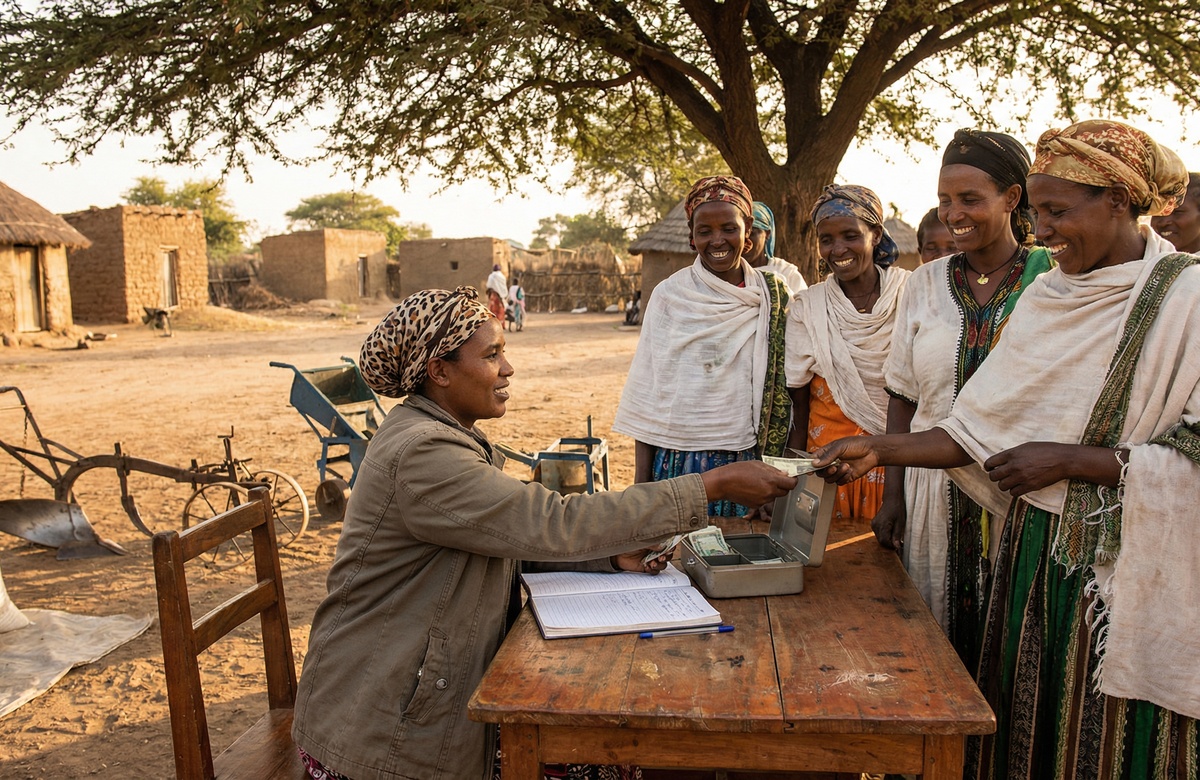
Microfinance institutions (MFIs) play a critical role in bridging the financial gap for rural entrepreneurs. By offering small loans, typically without requiring traditional collateral, MFIs empower individuals to start or expand businesses. These loans are often used for purchasing equipment, livestock, or inventory, laying the foundation for sustainable economic growth.
Success Stories from Ethiopia’s Microfinance Sector
1. Expanding Agribusiness
Teshome, a farmer in rural Ethiopia, accessed a microloan to purchase improved seeds and irrigation equipment. Within a year, his crop yields doubled, allowing him to repay the loan and invest in further expansion. Teshome now employs three workers and supplies produce to local markets.
2. Women-Led Enterprises
A women’s cooperative in Oromia used microfinance to launch a honey production business. The cooperative received training and funding from an NGO-backed microfinance program, enabling them to process and package honey for sale. Today, the business generates steady income for over 20 families.
The Impact of Microfinance
Microfinance initiatives have significantly improved the livelihoods of rural Ethiopians:
Increased Income: Small loans enable entrepreneurs to invest in income-generating activities, boosting household earnings.
Economic Empowerment for Women: Many microfinance programs prioritize women, fostering gender equality and improving community well-being.
Community Development: Successful businesses stimulate local economies, creating jobs and improving access to goods and services.
Challenges and Opportunities
Despite its successes, microfinance faces challenges in Ethiopia:
Limited Reach: Remote areas remain underserved due to inadequate infrastructure and high operational costs.
Loan Repayment Risks: Entrepreneurs in sectors like agriculture face uncertainties due to climate change and market fluctuations.
Digital Inclusion: Expanding digital microfinance platforms can increase accessibility, reducing the cost and time associated with traditional operations.
Strengthening Microfinance for Greater Impact
To maximize its potential, microfinance in Ethiopia requires support through:
Government Policies: Policies that incentivize MFIs to operate in rural areas can extend their reach.
Digital Transformation: Mobile banking platforms can simplify loan disbursement and repayment, increasing efficiency.
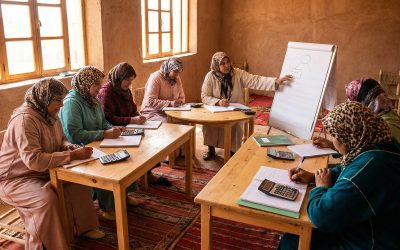
Training Programs: Equipping entrepreneurs with financial literacy and business skills ensures better loan utilization and repayment.
Conclusion: Unlocking Rural Potential
Microfinance is a powerful tool for transforming Ethiopia’s rural economy. By providing rural entrepreneurs with the financial resources they need, microfinance fosters innovation, creates jobs, and lifts communities out of poverty. As digital technology and policy support evolve, microfinance can reach even more underserved areas, unlocking the full potential of rural Ethiopia.
 WhatsApp for a Google-Ready Website