Islamic banking is gaining significant momentum in North Africa, reshaping the financial landscape and offering a viable alternative to conventional banking. Rooted in Sharia-compliant principles, Islamic banking prohibits interest (riba) and speculative practices (gharar), focusing instead on risk-sharing and ethical investments. This article examines how Islamic banking is transforming the financial sector in countries like Morocco, Tunisia, and Egypt, and its role in fostering economic growth and financial inclusion.
Understanding Islamic Banking and Its Appeal
Islamic banking operates on the principles of equity, fairness, and ethical responsibility. Unlike conventional banking, which relies on charging interest, Islamic banking promotes profit-and-loss sharing between banks and their clients. Common financial instruments include Murabaha (cost-plus financing), Ijara (leasing agreements), and Mudaraba (profit-sharing partnerships).
The appeal of Islamic banking lies in its alignment with cultural and religious values, making it particularly attractive to individuals and businesses seeking ethical financial solutions. In North Africa, where the majority of the population identifies as Muslim, Islamic banking addresses a growing demand for faith-based financial products.
The Expansion of Islamic Banking in North Africa
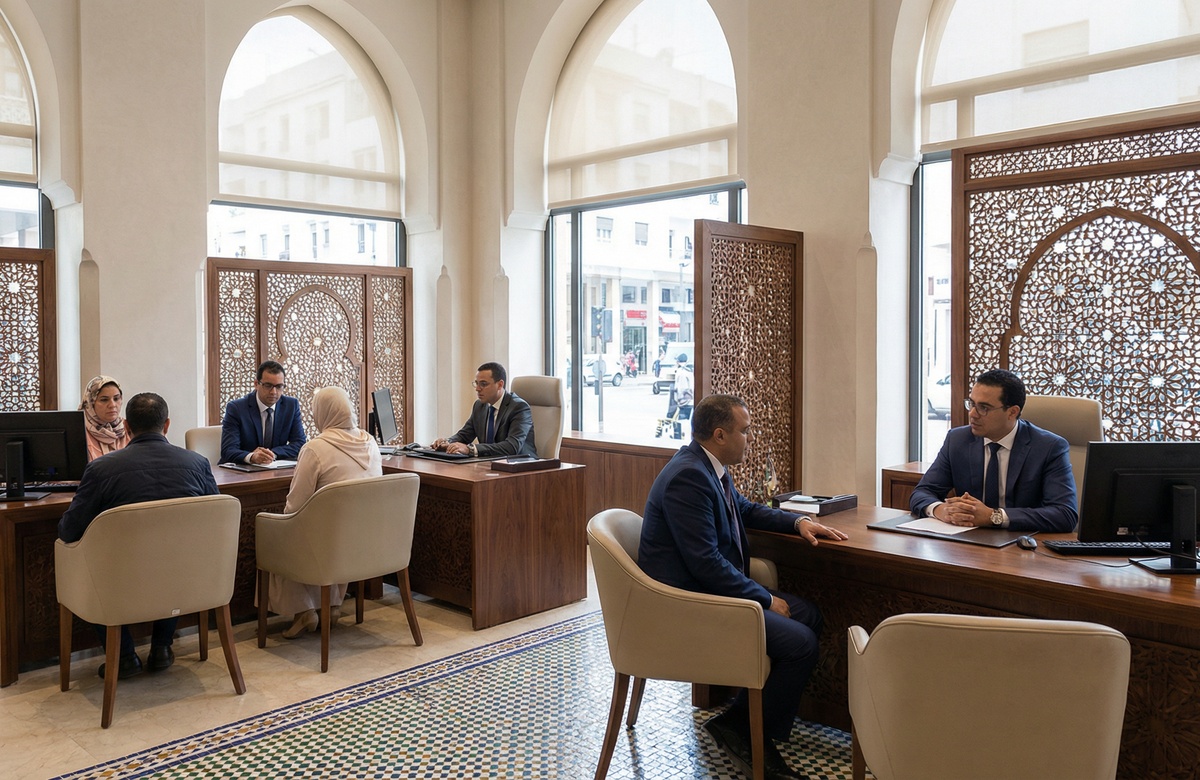
Over the past decade, North Africa has witnessed a surge in Islamic banking institutions and services. Morocco introduced Islamic banking in 2017 under the name participatory banking, with institutions like Bank Assafa and Al Akhdar Bank leading the market. These banks offer a range of Sharia-compliant products, including home financing, investment accounts, and business loans.
In Tunisia, Islamic banking has gained traction through the efforts of institutions such as Zitouna Bank and El Amana Takaful. These entities focus on retail and corporate financing, targeting underserved populations and small businesses. Egypt, with its large population and robust financial sector, is another key player. Banks like Faisal Islamic Bank and Abu Dhabi Islamic Bank (Egypt) are expanding their portfolios to include a variety of Islamic financial products.
Economic Impact of Islamic Banking
Islamic banking has the potential to drive economic growth by promoting financial inclusion. Traditional banking systems often exclude individuals and businesses that cannot meet stringent collateral requirements or that avoid conventional banking due to religious beliefs. Islamic banking bridges this gap, enabling a broader section of the population to access financial services.
For instance, small and medium-sized enterprises (SMEs) benefit from Sharia-compliant financing options like Mudaraba, where banks provide capital, and profits are shared according to pre-agreed ratios. This model fosters entrepreneurship and job creation, contributing to economic stability and growth.
Additionally, Islamic banks often invest in socially responsible projects, such as infrastructure development and renewable energy. These investments not only align with ethical values but also contribute to national development goals.
Challenges in the Islamic Banking Sector
Despite its growth, Islamic banking faces challenges in North Africa. One significant hurdle is the lack of public awareness and understanding of Sharia-compliant products. Many potential clients remain unfamiliar with how Islamic banking differs from conventional banking, limiting its market penetration.
Regulatory frameworks also present obstacles. While countries like Morocco and Tunisia have introduced legislation to support Islamic banking, inconsistencies in regulations and the absence of unified standards hinder the sector’s growth. Additionally, Islamic banks face competition from well-established conventional banks, which often have larger networks and more resources.
The Future of Islamic Banking in North Africa
The future of Islamic banking in North Africa looks promising, with increasing government support and market demand driving its expansion. Initiatives such as public awareness campaigns and training programs for Islamic finance professionals are helping to address knowledge gaps. Digital innovation is also playing a key role, with online platforms and mobile apps making Sharia-compliant products more accessible.
International partnerships and collaborations with global Islamic financial institutions can further strengthen the sector. By harmonizing regulations and adopting best practices, North African countries can position themselves as leaders in the Islamic banking industry.
As the sector continues to grow, Islamic banking will play an increasingly important role in fostering financial inclusion, supporting entrepreneurship, and driving sustainable economic development in the region.
 WhatsApp for a Google-Ready Website