In rural communities across North Africa, financial literacy is emerging as a powerful tool for fostering economic stability, reducing poverty, and empowering individuals to achieve financial independence. By equipping people with the knowledge and skills needed to manage money effectively, financial literacy programs are transforming the economic landscape and creating opportunities for sustainable development. This article explores the importance of financial literacy in rural areas, its impact, and how targeted initiatives are addressing the challenges faced by these communities.
The Importance of Financial Literacy in Rural Communities
Financial literacy encompasses the ability to understand and effectively use financial skills, including budgeting, saving, borrowing, and investing. In rural North Africa, where access to formal financial services is often limited, financial literacy plays a critical role in empowering individuals to make informed decisions about their money.
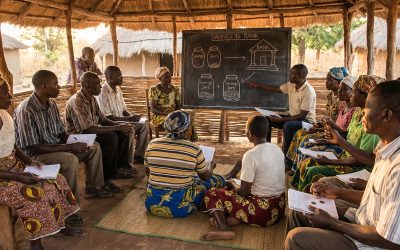
Many rural residents rely on informal lending systems or subsistence farming for their livelihoods. Without adequate financial knowledge, they are vulnerable to predatory lending practices, high-interest loans, and inefficient resource management. Financial literacy programs help bridge this gap by teaching individuals how to create budgets, save for future needs, and make sound financial decisions.
Economic Benefits of Financial Literacy
Financial literacy directly contributes to economic stability and growth in rural communities. When individuals and families understand how to manage their finances, they are better equipped to plan for emergencies, invest in education, and start small businesses. For example, a farmer who learns about savings and microloans can invest in better equipment, leading to increased productivity and income.
In addition to personal benefits, financial literacy has a multiplier effect on local economies. By enabling more people to participate in formal financial systems, it strengthens the overall financial ecosystem. Increased savings and investments lead to greater capital circulation, which supports small businesses and fosters community development.
Financial Literacy Programs in Action
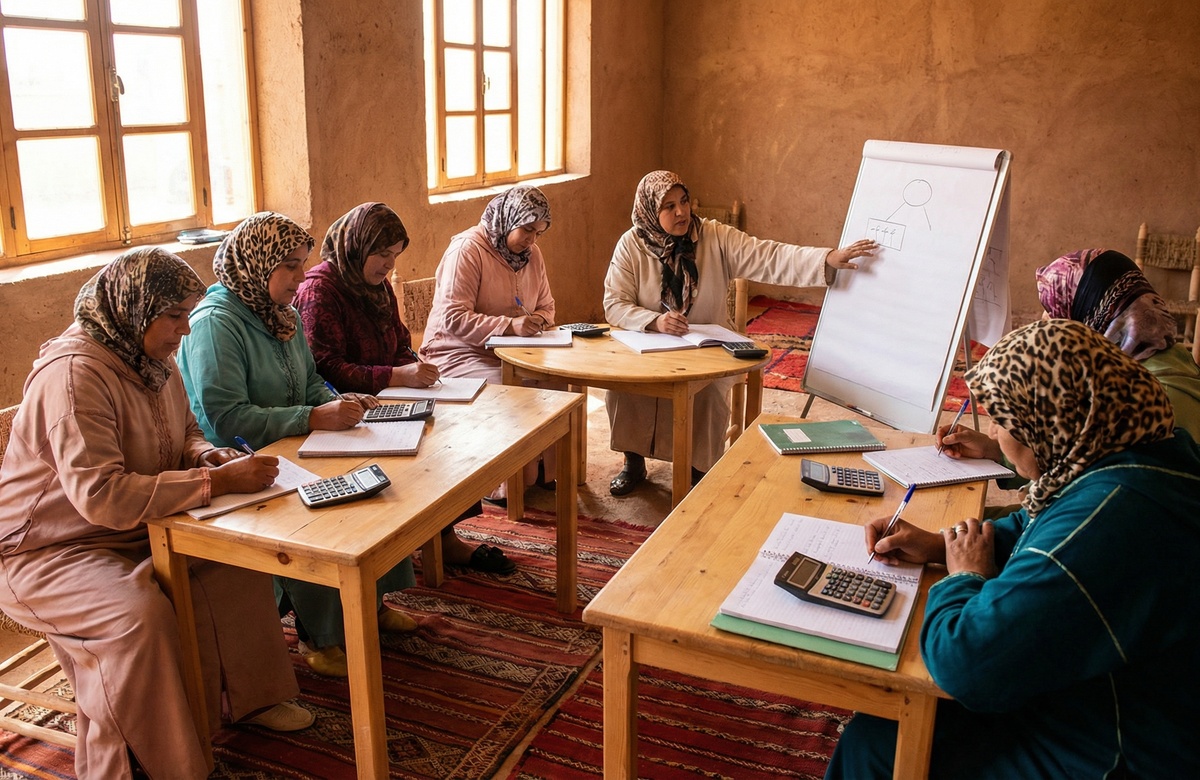
Several initiatives in North Africa are making strides in improving financial literacy among rural populations. In Morocco, the Foundation for Financial Literacy and Inclusion conducts workshops that teach rural women how to manage household budgets and access microfinance options. These programs have enabled women to start small enterprises, such as craft cooperatives and food production businesses, contributing to their families’ financial stability.
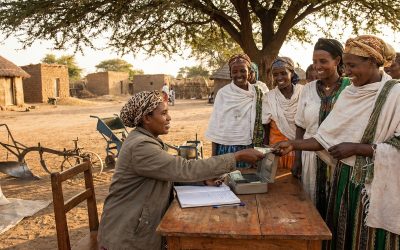
In Egypt, the Financial Inclusion Initiative targets farmers and small-scale entrepreneurs, providing training on topics such as budgeting, credit management, and digital banking. By introducing mobile banking solutions, the program has made it easier for rural residents to access financial services without traveling long distances.
Tunisia has implemented the Rural Finance Project, which combines financial education with access to low-interest loans for agricultural workers. This integrated approach ensures that participants not only receive funding but also understand how to use it effectively.
Challenges to Financial Literacy in Rural Areas
Despite its importance, promoting financial literacy in rural North Africa comes with challenges. Many rural areas lack access to basic infrastructure, such as schools and community centers, where educational programs can be conducted. Cultural and linguistic barriers also pose difficulties, as financial concepts must be adapted to local dialects and contexts to ensure understanding.
Another challenge is the low level of trust in formal financial institutions. Decades of exclusion from the banking system have led to skepticism among rural populations, making it harder to engage them in financial education initiatives. Overcoming this requires sustained efforts to build trust and demonstrate the tangible benefits of financial literacy.
Innovative Approaches to Boost Financial Literacy
To address these challenges, innovative solutions are being implemented. Mobile technology is playing a key role in delivering financial education to remote areas. Apps and SMS-based programs provide bite-sized lessons on budgeting, savings, and credit management, allowing individuals to learn at their own pace.
Public-private partnerships are also crucial. Financial institutions are collaborating with NGOs and government agencies to develop culturally relevant materials and expand the reach of their programs. For instance, partnerships with local influencers and community leaders help build trust and encourage participation.
The Path Forward
Financial literacy is more than just a skill—it is a pathway to empowerment and economic resilience. For rural communities in North Africa, it offers the tools needed to break cycles of poverty and achieve sustainable development. Governments, financial institutions, and civil society organizations must continue to invest in financial education, ensuring that even the most remote communities have access to these life-changing resources.
By fostering financial literacy, rural North Africa can unlock its full potential, transforming not just individuals but entire communities. The journey toward financial empowerment is long, but with the right strategies and commitment, it is achievable.
 WhatsApp for a Google-Ready Website