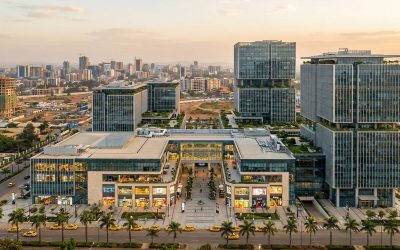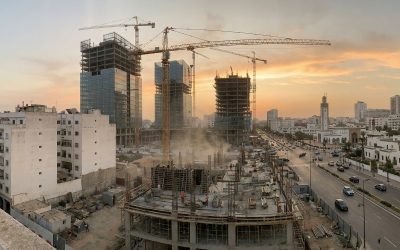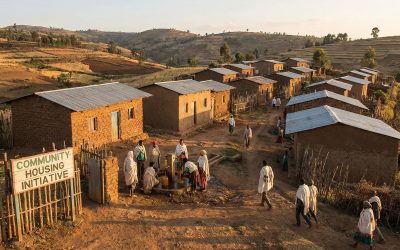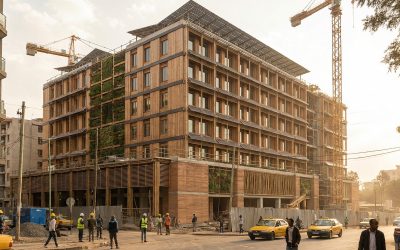
As urbanization accelerates across North Africa, sustainable building practices are becoming increasingly important to address environmental challenges and improve the quality of urban life. From reducing energy consumption to minimizing waste, these practices offer solutions that align with global sustainability goals while catering to the unique needs of North African cities. This article explores the principles of sustainable building, examples of their implementation, and the potential they hold for shaping the future of urban development.
The Principles of Sustainable Building
Sustainable building practices focus on creating structures that are environmentally friendly, economically viable, and socially inclusive. Key principles include:
Energy Efficiency: Buildings are designed to reduce energy consumption through features such as improved insulation, energy-efficient lighting, and solar power integration.
Resource Conservation: Materials are chosen for their durability, low environmental impact, and recyclability, minimizing waste and resource depletion.
Water Efficiency: Techniques such as rainwater harvesting, greywater recycling, and low-flow fixtures reduce water usage in urban areas where resources are scarce.
Healthy Living Environments: Sustainable buildings prioritize natural ventilation, daylight access, and the use of non-toxic materials to enhance occupant well-being.
Examples of Sustainable Practices in North Africa
North Africa is witnessing the integration of sustainable building practices in various urban projects:
Morocco’s Green Architecture Initiatives:
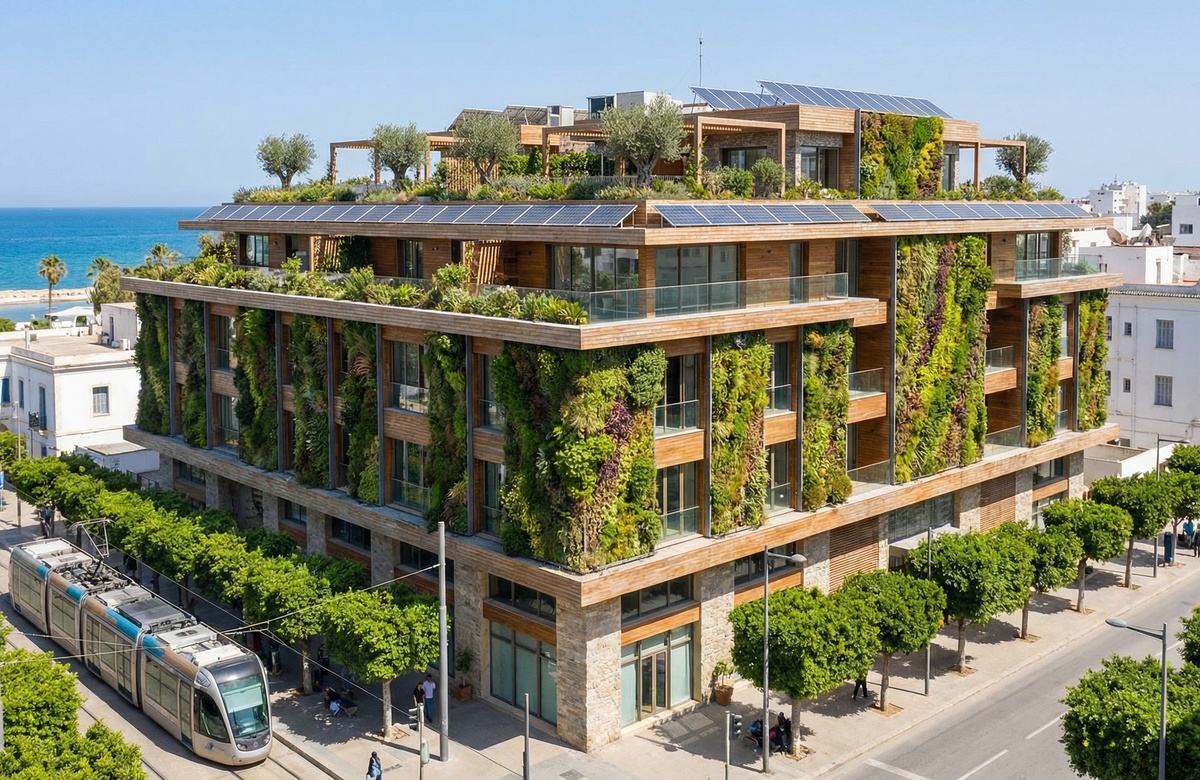
Morocco has emerged as a leader in green building, with numerous projects incorporating solar panels, green roofs, and energy-efficient designs. The country’s Green Building Council promotes certification programs and sustainable construction standards.
Algeria’s Eco-City Developments:
Algeria has launched eco-city initiatives that emphasize renewable energy, waste reduction, and community green spaces. The Sidi Abdellah New Town project near Algiers exemplifies these efforts, featuring energy-efficient buildings and integrated public transport.
Egypt’s Sustainable Urban Planning:
In Egypt, the New Administrative Capital incorporates sustainable design elements, including smart grids, energy-efficient buildings, and extensive green spaces. This city is a model for balancing urban growth with environmental stewardship.
Benefits of Sustainable Building Practices
Sustainable building practices bring multiple benefits to urban areas:
Environmental Impact: Green construction reduces carbon footprints, lowers energy consumption, and conserves natural resources, contributing to climate change mitigation.
Economic Savings: Energy-efficient buildings lower utility costs for occupants and reduce operational expenses for property owners.
Health and Well-Being: Improved indoor air quality, access to natural light, and reduced exposure to harmful chemicals enhance the quality of life for residents.
Urban Resilience: Sustainable infrastructure is better equipped to withstand environmental challenges, such as heat waves and water shortages, ensuring long-term viability.
Challenges in Promoting Sustainable Building
Despite its advantages, adopting sustainable building practices in North Africa faces several challenges:
High Initial Costs: Green construction materials and technologies often come at a premium, deterring widespread adoption.
Lack of Awareness: Limited understanding of the benefits of sustainable building practices among developers and consumers slows the pace of implementation.
Regulatory Barriers: Inconsistent building codes and insufficient incentives for sustainable construction hinder progress.
Technical Expertise: A shortage of skilled professionals trained in sustainable design and construction techniques creates barriers to execution.
Strategies to Expand Sustainable Building Practices
To overcome these challenges and accelerate adoption, North African countries can implement the following strategies:
Government Incentives: Offering tax breaks, subsidies, and grants for green projects can encourage developers to prioritize sustainability.
Public Awareness Campaigns: Educating developers, architects, and the public about the benefits of sustainable building can drive demand for eco-friendly solutions.
Policy Reforms: Establishing clear building codes and standards for sustainability ensures consistency and encourages compliance.
Capacity Building: Investing in training programs for construction professionals equips them with the skills needed to implement green building practices effectively.
The Future of Sustainable Urban Development
Sustainable building practices are not just a trend—they are a necessity for creating resilient, livable cities in North Africa. By prioritizing green construction, the region can address pressing environmental challenges, improve urban living standards, and position itself as a leader in sustainable development.
As governments, businesses, and communities work together to integrate these practices, they pave the way for a future where urban areas thrive in harmony with the environment.
 WhatsApp for a Google-Ready Website