Property development plays a crucial role in transforming North Africa’s urban landscapes, reshaping cities to accommodate growing populations and modernizing infrastructure to meet contemporary needs. From residential projects to commercial hubs, developers are driving change that influences not only the built environment but also the socio-economic fabric of urban areas. This article explores how property development is shaping urban landscapes in North Africa, its impact on communities, and the challenges and opportunities ahead.
Urban Expansion and Modernization
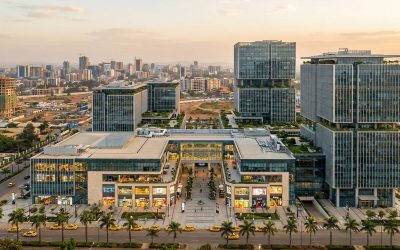
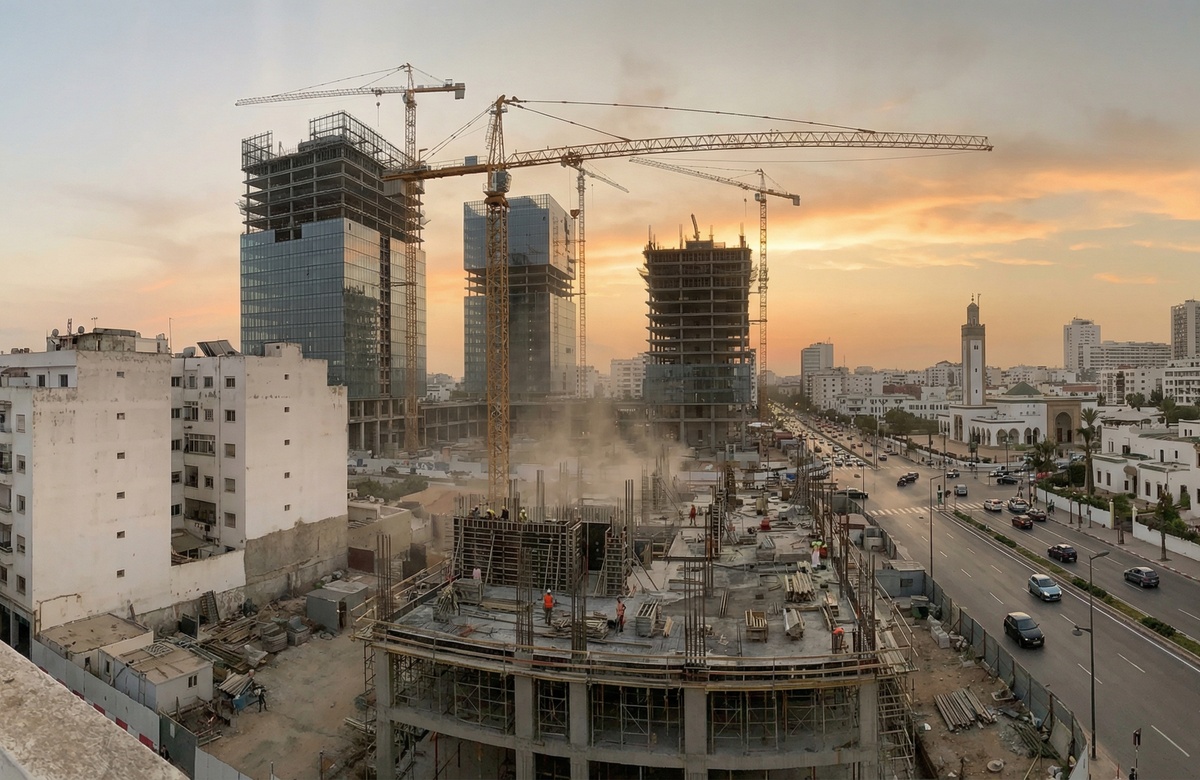
Urbanization in North Africa is accelerating, with cities like Casablanca, Algiers, and Cairo expanding rapidly to house their growing populations. Property development is at the heart of this transformation, introducing modern residential complexes, commercial centers, and mixed-use developments that redefine urban living. These projects cater to a diverse range of needs, from affordable housing for low-income families to luxury apartments and high-end office spaces for the region’s elite.
In Morocco, for instance, the rise of gated communities in urban areas reflects changing lifestyles and a growing preference for secure, modern living environments. Similarly, Egypt’s New Administrative Capital is an ambitious project designed to alleviate congestion in Cairo while showcasing cutting-edge urban planning.
Economic and Social Impacts
Property development significantly contributes to economic growth by creating jobs, attracting investment, and stimulating related industries such as construction, manufacturing, and retail. The development of new commercial centers and industrial parks generates opportunities for businesses, fostering entrepreneurship and innovation.
Socially, property development influences community dynamics by reshaping neighborhoods and creating new spaces for interaction. Mixed-use developments, which combine residential, commercial, and recreational facilities, are particularly impactful in promoting inclusivity and enhancing the quality of urban life.
However, rapid development can also lead to challenges such as gentrification, where rising property values displace low-income residents. Balancing development with social equity is crucial to ensuring that urban growth benefits all segments of society.
Sustainable Development Practices
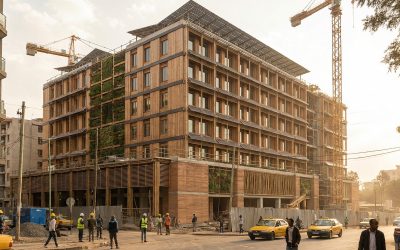
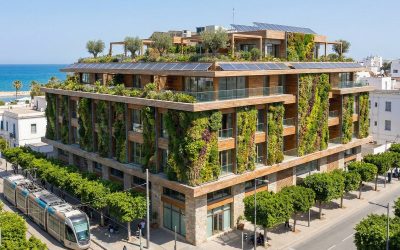
Sustainability is becoming a key focus in property development across North Africa. Developers are incorporating eco-friendly materials, energy-efficient designs, and renewable energy systems into their projects to reduce environmental impact. In Tunisia, for example, solar-powered residential communities are being developed to promote green living.
Smart city initiatives are also gaining momentum. These projects leverage technology to enhance urban infrastructure, improve resource management, and provide better services to residents. Algeria’s Sidi Abdellah Smart City is a notable example, integrating intelligent transport systems and energy-efficient buildings to create a sustainable urban environment.
Challenges in Property Development
Despite its potential, property development in North Africa faces several challenges:
Regulatory Hurdles: Complex approval processes and inconsistent regulations can delay projects and increase costs for developers.
Infrastructure Deficiencies: Inadequate transport, water, and electricity infrastructure in some urban areas limits the viability of large-scale developments.
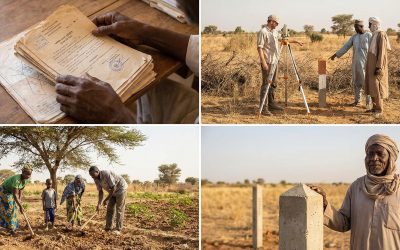
Land Availability: Securing suitable land for development is often a significant obstacle, particularly in densely populated cities.
Affordability Concerns: Striking a balance between profitability for developers and affordability for residents remains a persistent challenge.
Opportunities for Growth
The property development sector in North Africa presents significant opportunities for innovation and growth. By embracing public-private partnerships (PPPs), developers can access government support for infrastructure projects while contributing expertise and resources. Additionally, the integration of technology and sustainable practices can create competitive advantages for developers and attract environmentally conscious buyers.
Expanding into secondary cities, which are experiencing population growth but lack adequate housing and commercial spaces, offers untapped potential. Investing in these areas can stimulate regional economies while easing pressure on larger urban centers.
Shaping the Future of North African Cities
As property development continues to reshape North Africa’s urban landscapes, its success will depend on a collaborative approach involving governments, developers, and communities. By prioritizing sustainability, inclusivity, and innovation, property development can create cities that are not only functional but also vibrant and resilient.
The path forward requires balancing the demands of urbanization with the need for environmental stewardship and social equity. With strategic planning and forward-thinking policies, North Africa’s property development sector can drive transformative change that benefits its people and economies.
 WhatsApp for a Google-Ready Website