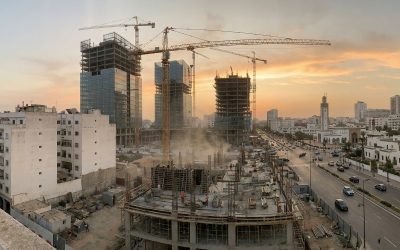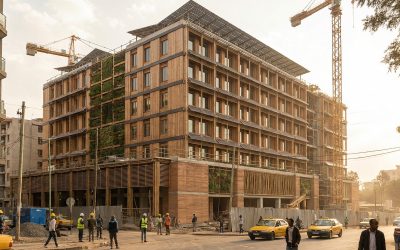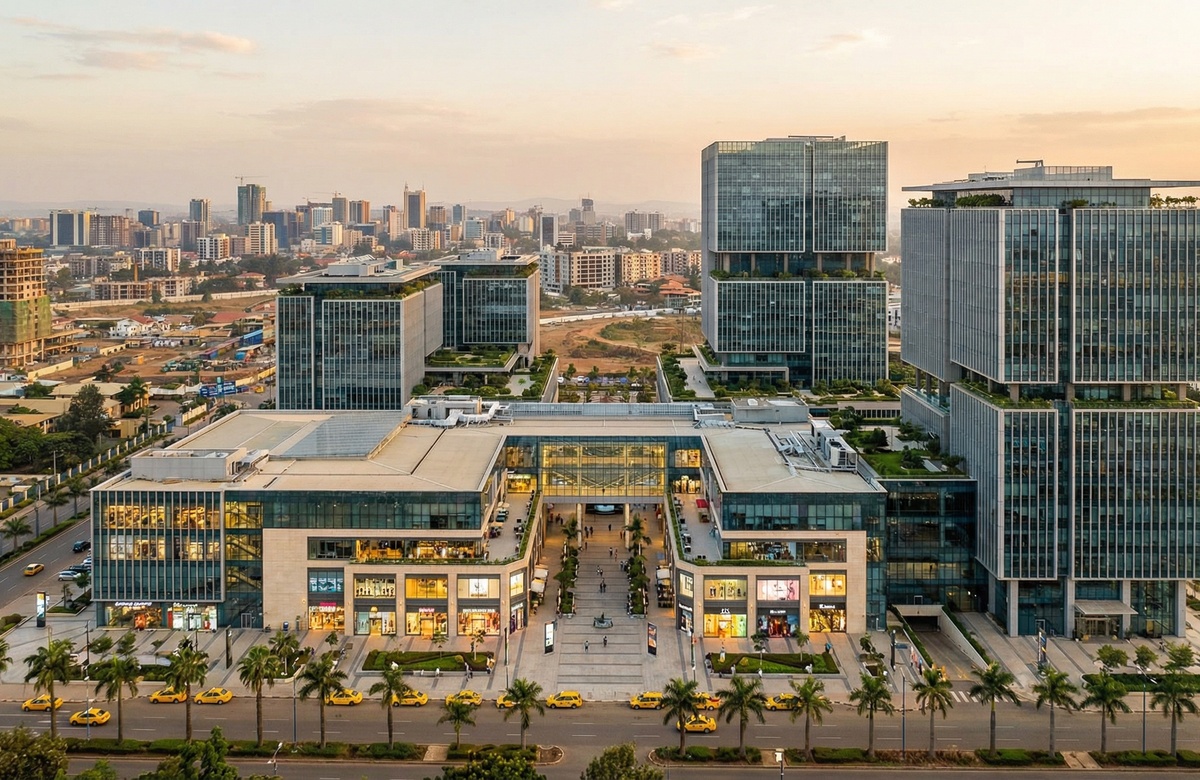
Commercial real estate in East Africa is a rapidly growing sector, offering lucrative opportunities for local and international investors. With urbanization accelerating across the region, demand for office spaces, retail outlets, and mixed-use developments is on the rise. This article explores the trends driving commercial real estate, key markets, and strategies for successful investment in East Africa.
The Growth of Commercial Real Estate in East Africa
East Africa’s commercial real estate market has experienced significant growth over the past decade, driven by factors such as economic development, population growth, and increased foreign investment. Cities like Nairobi, Kampala, and Addis Ababa are becoming regional hubs for business, trade, and tourism, creating high demand for quality commercial spaces.
In addition, governments in the region are implementing urban development plans, improving infrastructure, and fostering public-private partnerships (PPPs) to attract investment. These initiatives have made East Africa an attractive destination for real estate investors seeking long-term growth.
Key Markets for Commercial Real Estate Investment
1. Nairobi, Kenya
Nairobi is East Africa’s financial and technology hub, hosting numerous multinational companies and startups. The city’s commercial real estate sector benefits from strong demand for Grade A office spaces, retail malls, and co-working facilities. Areas like Westlands and Upper Hill are hotspots for office developments, while Two Rivers Mall and Garden City Mall attract retail investors.
2. Kampala, Uganda
Kampala’s growing middle class and urban population drive demand for retail and mixed-use developments. The city’s strategic location as a gateway to Central Africa also makes it an attractive market for logistics and warehousing investments.
3. Addis Ababa, Ethiopia
As Ethiopia continues to open its economy, Addis Ababa is emerging as a key market for commercial real estate. The city’s expanding infrastructure, including the new Addis Ababa-Djibouti Railway, enhances its appeal to investors in logistics, hospitality, and office spaces.
Trends Shaping Commercial Real Estate in East Africa
1. Rise of Mixed-Use Developments
Mixed-use developments, which combine residential, commercial, and recreational spaces, are becoming increasingly popular. These projects cater to the needs of urban dwellers seeking convenience and accessibility.
2. E-Commerce Driving Logistics Demand
The growth of e-commerce in East Africa has increased demand for logistics facilities, including warehouses and distribution centers. Investors are capitalizing on this trend by developing modern logistics parks.
3. Green Building Initiatives
Sustainability is gaining traction in the real estate sector, with developers incorporating energy-efficient designs and eco-friendly materials into their projects. Certifications like LEED (Leadership in Energy and Environmental Design) are becoming a selling point for commercial properties.
4. Flexible Workspaces
The rise of remote work and entrepreneurship has fueled demand for co-working spaces and flexible office solutions. Cities like Nairobi and Kampala are witnessing a surge in co-working hubs catering to startups and freelancers.
Challenges in Investing in Commercial Real Estate
Regulatory Hurdles
Complex and inconsistent regulations can delay project approvals and increase costs for investors. Understanding local laws and obtaining the necessary permits is critical.
Infrastructure Deficits
While infrastructure is improving, gaps in transport and utility networks can limit the attractiveness of certain locations for commercial development.
Financing Constraints
Access to affordable financing remains a challenge for many developers, particularly in emerging markets. High interest rates and limited availability of long-term loans can hinder project viability.
Market Volatility
Economic fluctuations and political instability in some countries pose risks to real estate investments. Conducting thorough market research and risk assessments is essential for mitigating these challenges.
Strategies for Successful Investment
Conduct Market Research
Understand the local market dynamics, including demand trends, rental yields, and vacancy rates. Engaging local real estate agents and consultants can provide valuable insights.
Focus on High-Growth Areas
Target locations with strong economic growth, population expansion, and infrastructure development. Proximity to transport hubs and business districts enhances property value.
Partner with Local Stakeholders
Collaborating with local developers, governments, and financial institutions can help navigate regulatory complexities and reduce risks.
Embrace Technology
Incorporate smart building technologies, such as energy management systems and digital security solutions, to enhance tenant satisfaction and property value.
Diversify Investments
Spread investments across different property types and locations to minimize risks and maximize returns.
The Future of Commercial Real Estate in East Africa
As East Africa continues to urbanize and integrate economically, the commercial real estate sector is poised for sustained growth. Innovations in construction, sustainability, and financing will further enhance the region’s attractiveness to investors. By adopting a strategic approach and leveraging local opportunities, investors can unlock the full potential of East Africa’s real estate market.
Conclusion: Building the Foundations of Growth
Commercial real estate is a cornerstone of East Africa’s economic development, providing essential infrastructure for businesses and communities. With the right strategies and a clear understanding of local markets, investors can play a pivotal role in shaping the region’s future while reaping significant returns.
 WhatsApp for a Google-Ready Website