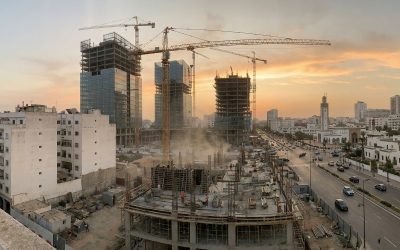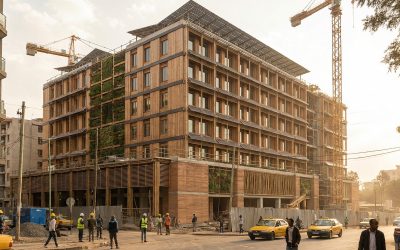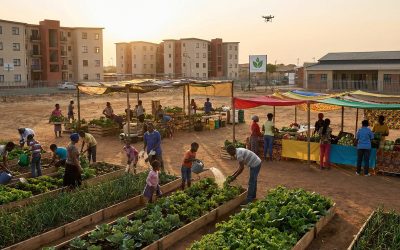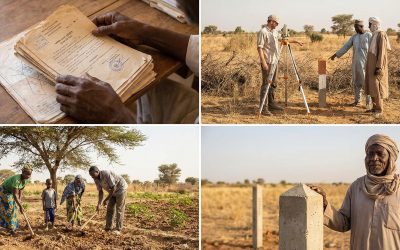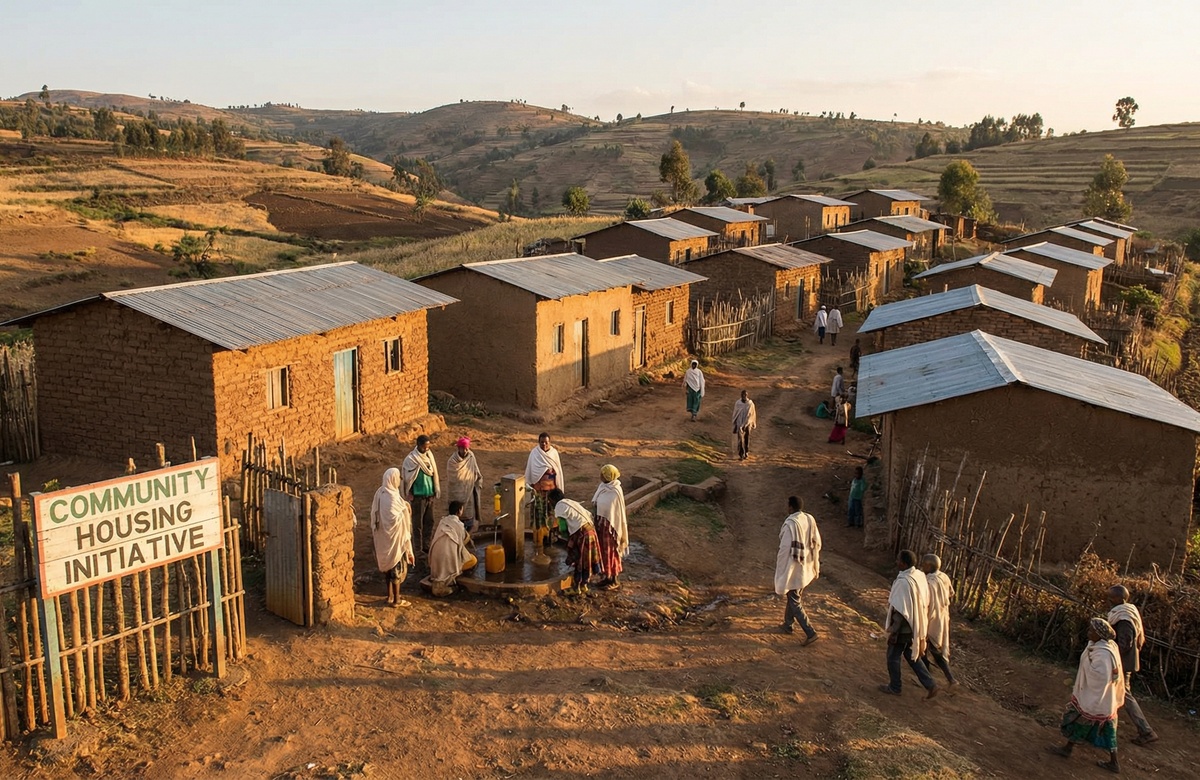
Access to affordable housing remains a pressing challenge for rural communities in Ethiopia, where many families live in substandard conditions. Addressing this issue requires innovative and sustainable approaches that consider the unique needs of rural populations. This article explores affordable housing solutions that can improve living standards while promoting economic and social development.
The Housing Challenge in Rural Ethiopia
Ethiopia’s rural areas are home to the majority of the country’s population, many of whom rely on agriculture for their livelihoods. However, poverty, limited infrastructure, and a lack of affordable building materials have resulted in inadequate housing. Traditional homes, often made from mud and thatch, are vulnerable to weather conditions and provide limited protection against health and safety risks.
The Ethiopian government and development organizations have recognized this challenge and are working to improve housing conditions through innovative and affordable solutions.
Innovative Housing Solutions for Rural Ethiopia
1. Use of Local Materials
Local materials such as bamboo, stone, and stabilized soil blocks (SSBs) are cost-effective and environmentally friendly. These materials reduce reliance on expensive imports and support local economies. For example, SSBs are durable, thermally efficient, and require less water during construction compared to traditional bricks.
2. Modular Housing Designs
Modular housing involves prefabricated components that can be easily transported and assembled on-site. This approach reduces construction time and costs, making it an attractive option for rural communities. Modular designs also allow for future expansions, accommodating growing families.
3. Community-Based Construction
Engaging community members in the construction process not only reduces labor costs but also fosters a sense of ownership and pride in the housing projects. Training programs can equip residents with construction skills, enabling them to maintain and repair their homes independently.
4. Solar-Powered Homes
Incorporating solar panels into housing designs provides rural families with access to electricity for lighting and small appliances. Solar-powered homes enhance quality of life and reduce reliance on expensive and polluting energy sources like kerosene.
5. Microfinance for Housing
Affordable microfinance schemes tailored to rural families enable them to invest in better housing. Organizations like Habitat for Humanity and local cooperatives offer low-interest loans and grants to support housing development.
Benefits of Affordable Housing in Rural Communities
Economic Growth
Improved housing creates job opportunities in construction, materials supply, and maintenance. It also boosts local economies by increasing demand for locally sourced materials.
Health and Safety
Better housing reduces exposure to harmful environmental conditions, improving residents’ health and safety. Adequate ventilation and sanitation systems minimize the spread of diseases.
Education and Productivity
Children living in secure and comfortable homes are more likely to attend school and perform better academically. Adults benefit from a stable environment that supports productivity in agricultural and non-agricultural activities.
Challenges in Implementing Housing Solutions
High Initial Costs
Although innovative housing solutions reduce long-term costs, the initial investment required for materials and technology can be a barrier for rural families.
Limited Awareness
Many rural communities are unaware of affordable housing options or lack the knowledge to implement them effectively.
Infrastructure Deficits
Poor transport and communication infrastructure hinder the delivery of materials and services to remote areas.
Strategies for Scaling Affordable Housing
Partnerships with NGOs and Private Sector
Collaborating with non-governmental organizations and private companies can attract funding and technical expertise. Successful initiatives, such as the UN-Habitat housing programs, demonstrate the potential of such partnerships.
Government Incentives
Providing subsidies for affordable housing materials and offering tax breaks to construction companies can encourage investment in rural housing.
Awareness Campaigns
Community outreach programs can educate rural families about affordable housing options and available financial support, driving demand for sustainable solutions.
The Future of Rural Housing in Ethiopia
Affordable housing is essential for improving living standards and fostering economic growth in rural Ethiopia. By combining innovative technologies, local resources, and community participation, the country can address its housing challenges sustainably. Continued support from the government, private sector, and development organizations will be critical in scaling these efforts.
Conclusion: Building Hope and Stability
Affordable housing is more than just shelter—it’s a foundation for health, education, and economic prosperity. Ethiopia’s rural communities deserve homes that meet their needs and aspirations, and with innovative approaches, this vision is within reach. By prioritizing affordable housing, Ethiopia can build a brighter future for its rural population.
 WhatsApp for a Google-Ready Website