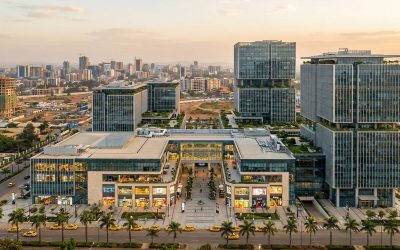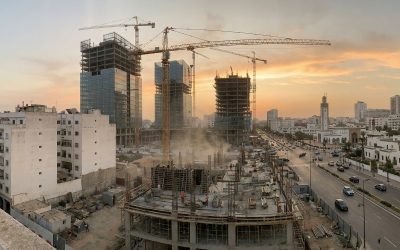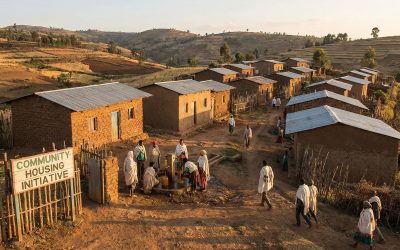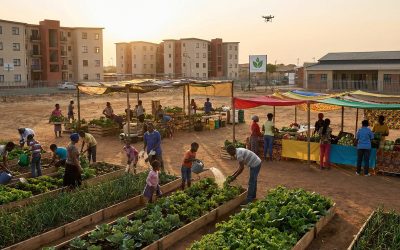
Urbanization in Ethiopia is rapidly transforming its cities, with increasing demand for housing, commercial spaces, and infrastructure. However, this growth presents environmental challenges, including resource depletion, energy inefficiency, and waste generation. Sustainable building practices offer a solution, ensuring that urban development is environmentally friendly, economically viable, and socially responsible. This article explores key sustainable building practices and their impact on Ethiopia’s urban landscape.
The Need for Sustainability in Urban Development
Ethiopia’s urban population is growing at an estimated 4.63% annually, among the highest rates in Africa. Cities like Addis Ababa face challenges such as overcrowding, pollution, and inefficient energy use. Sustainable building practices are critical to addressing these issues, promoting resilience and long-term growth.
Sustainable construction focuses on minimizing environmental impact by conserving resources, reducing waste, and incorporating renewable energy solutions. These practices align with Ethiopia’s Climate Resilient Green Economy (CRGE) Strategy, which aims to achieve middle-income status by 2025 while building a green economy.
Key Sustainable Building Practices in Urban Ethiopia
1. Energy-Efficient Designs
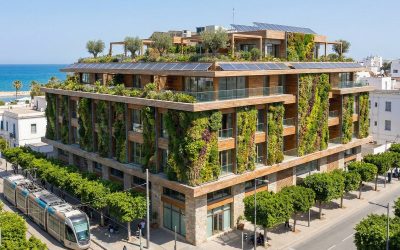
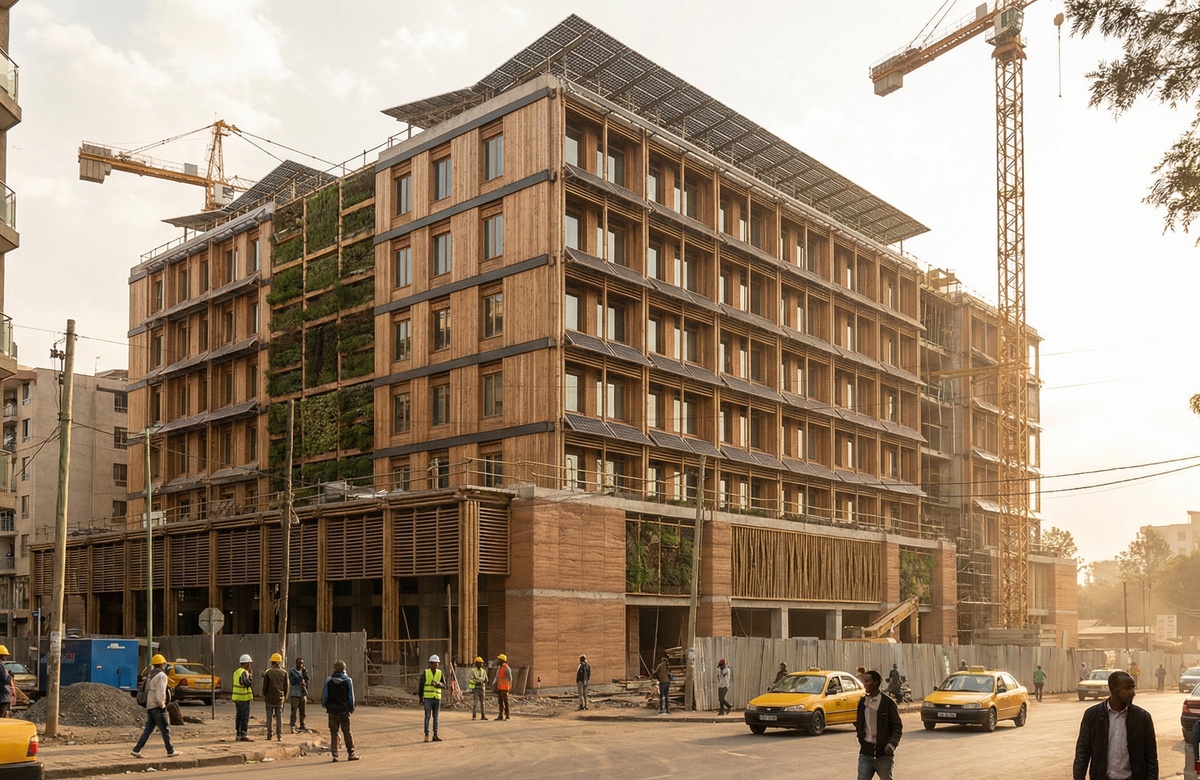
Energy-efficient buildings use passive design strategies, such as natural ventilation, daylighting, and insulation, to reduce energy consumption. Incorporating solar panels and LED lighting further lowers energy use and costs.
2. Use of Local and Eco-Friendly Materials
Locally sourced materials, such as bamboo, stone, and stabilized soil blocks, reduce transportation emissions and support local economies. Eco-friendly materials like recycled steel and low-carbon cement minimize the carbon footprint of construction projects.
3. Water Conservation Systems
Rainwater harvesting systems, low-flow fixtures, and greywater recycling are increasingly integrated into building designs to address water scarcity in urban areas.
4. Green Roofs and Urban Greening
Green roofs and urban greenery improve air quality, reduce urban heat island effects, and provide recreational spaces. Projects like Unity Park in Addis Ababa showcase the potential of integrating green spaces into urban environments.
5. Modular Construction Techniques
Prefabricated building components reduce construction waste and speed up project timelines. Modular construction is particularly beneficial for affordable housing projects, addressing Ethiopia’s housing shortage efficiently.
Benefits of Sustainable Building Practices
Environmental Impact
Sustainable practices reduce carbon emissions, conserve natural resources, and minimize waste. This contributes to Ethiopia’s climate goals under the Paris Agreement.
Economic Savings
Energy-efficient buildings lower utility bills for occupants and reduce operational costs for businesses. Sustainable construction also creates job opportunities in green technology and materials industries.
Improved Quality of Life
Eco-friendly urban spaces enhance livability, providing cleaner air, better water management, and healthier environments for residents.
Resilience to Climate Change
Sustainable buildings are better equipped to withstand climate-related challenges, such as extreme temperatures and water scarcity, ensuring long-term usability.
Challenges in Promoting Sustainable Building Practices
High Initial Costs
Sustainable materials and technologies often have higher upfront costs, discouraging adoption by developers and homeowners.
Limited Awareness
Many developers and consumers lack awareness of the benefits and availability of sustainable building solutions.
Regulatory Barriers
Inconsistent enforcement of building codes and a lack of incentives for sustainable practices hinder widespread implementation.
Strategies for Advancing Sustainable Building
Government Incentives
Tax breaks, subsidies, and grants for sustainable projects can encourage developers to adopt green practices. Ethiopia’s CRGE Facility already provides financial support for climate-resilient initiatives.
Public Awareness Campaigns
Educating stakeholders, including developers, architects, and the general public, about the benefits of sustainable building practices can drive demand for eco-friendly solutions.
Capacity Building
Training programs for construction professionals on sustainable practices and technologies can enhance skills and promote innovation.
Partnerships with International Organizations
Collaborations with organizations like the World Green Building Council and UN-Habitat can provide technical expertise, funding, and best practices for scaling sustainable building in Ethiopia.
Examples of Sustainable Projects in Ethiopia
Unity Park
Located in Addis Ababa, Unity Park incorporates green spaces, renewable energy, and water-efficient systems, setting a benchmark for sustainable urban development.
Modjo Dry Port
This project integrates green infrastructure, including solar panels and efficient water management, to reduce its environmental footprint while enhancing Ethiopia’s logistics capacity.
The Future of Sustainable Urban Development
As Ethiopia continues to urbanize, adopting sustainable building practices is essential for balancing growth with environmental stewardship. By aligning with global sustainability goals and leveraging local resources, Ethiopia can create cities that are not only vibrant and modern but also resilient and inclusive.
Conclusion: Building a Greener Ethiopia
Sustainable building practices are the foundation for Ethiopia’s urban future. By prioritizing eco-friendly designs, renewable energy, and efficient resource use, the country can achieve its development goals without compromising the environment. With the right policies, investments, and public support, Ethiopia can lead the way in sustainable urbanization across Africa.
 WhatsApp for a Google-Ready Website