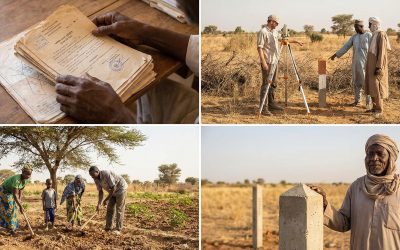
Navigating property laws can be a complex process, especially in a region as diverse as North Africa. With each country governed by its unique legal framework, understanding the intricacies of property ownership, acquisition, and leasing is essential for individuals and businesses alike. This article provides a practical guide to understanding property laws in North Africa, highlighting key regulations, challenges, and tips for smooth transactions.
Understanding Property Ownership in North Africa
Property ownership laws in North Africa vary across countries, reflecting a mix of modern legislation and traditional practices. In Morocco, for example, property laws are governed by the Dahir of Obligations and Contracts, which provides clear guidelines for property transactions. Similarly, Egypt’s Civil Code outlines property rights and the processes for registration and transfer.
Foreign ownership is another critical consideration. While countries like Morocco and Tunisia allow foreigners to purchase property with certain restrictions, Algeria imposes stricter limitations, often requiring joint ventures or local partnerships. Understanding these nuances is crucial for avoiding legal complications.
The Importance of Property Registration
Property registration is a fundamental step in securing ownership rights. In North Africa, unregistered properties often lead to disputes and complications, particularly in rural areas where informal transactions are common. Governments in the region are working to modernize registration systems to enhance transparency and streamline the process.
For instance, Morocco has implemented digital registration platforms to make property transactions more efficient, while Tunisia has introduced land titling programs to formalize ownership in underserved communities. Ensuring that properties are registered protects owners from future legal disputes and establishes clear rights.
Challenges in Navigating Property Laws
Navigating property laws in North Africa is not without its challenges. Common issues include:
Bureaucratic Processes: Lengthy approval procedures and complex paperwork can delay property transactions, especially for foreign buyers unfamiliar with local systems.
Inconsistent Regulations: Variations in local laws and enforcement practices create confusion, particularly for cross-border investors or developers.
Disputes Over Inheritance: Traditional inheritance practices often conflict with modern property laws, leading to disputes among family members.
Corruption and Fraud: Instances of fraudulent transactions or unclear titles highlight the need for thorough due diligence and legal representation.
Tips for Navigating Property Laws
To navigate property laws effectively in North Africa, consider the following tips:
Engage Legal Experts: Consulting with local property lawyers or legal advisors ensures compliance with regulations and reduces the risk of errors.
Conduct Due Diligence: Verify the property’s ownership history, registration status, and compliance with zoning laws before proceeding with any transaction.
Understand Local Customs: Familiarize yourself with traditional practices and community dynamics, particularly in rural areas where informal agreements are common.
Leverage Technology: Utilize digital tools and platforms provided by government agencies for property searches, registrations, and tax filings.
The Role of Governments in Streamlining Property Laws
Recognizing the importance of property transactions for economic development, governments across North Africa are introducing reforms to simplify property laws and procedures. Algeria’s recent efforts to attract foreign investment include revising land ownership policies to make them more accessible. Similarly, Egypt has launched initiatives to digitize property records and improve the transparency of real estate markets.
Public awareness campaigns are also essential. Educating citizens about their property rights and the importance of registration can prevent disputes and foster trust in legal systems. Collaborative efforts between governments, legal professionals, and international organizations are key to building more robust property frameworks.
Navigating Property Laws with Confidence
Understanding and navigating property laws in North Africa requires a combination of knowledge, due diligence, and professional support. By staying informed about legal requirements and leveraging available resources, individuals and businesses can make informed decisions and secure their investments.
As the region continues to modernize its property frameworks, opportunities for local and foreign investors will expand, contributing to economic growth and social stability. With careful planning and the right guidance, navigating property laws in North Africa can be a smooth and rewarding process.
 WhatsApp for a Google-Ready Website