Mobile banking has revolutionized financial services across East and Central Africa, breaking down traditional barriers to banking access and empowering millions of individuals and businesses. As smartphone penetration and internet connectivity improve, mobile banking is driving economic inclusion and fostering financial growth in previously underserved regions. This article explores the transformative impact of mobile banking, with a focus on its benefits, challenges, and future potential.
A Financial Revolution in East and Central Africa
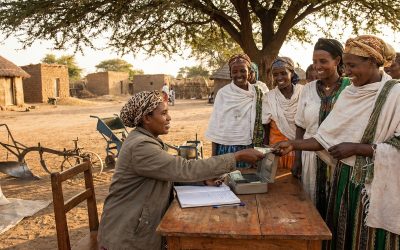
East and Central Africa have historically faced challenges in expanding financial services due to limited infrastructure and high operational costs. Mobile banking emerged as a game-changer, enabling people to access financial services through their phones without the need for physical bank branches. Services such as mobile money transfers, savings, and credit have become integral to daily life, particularly in rural areas.
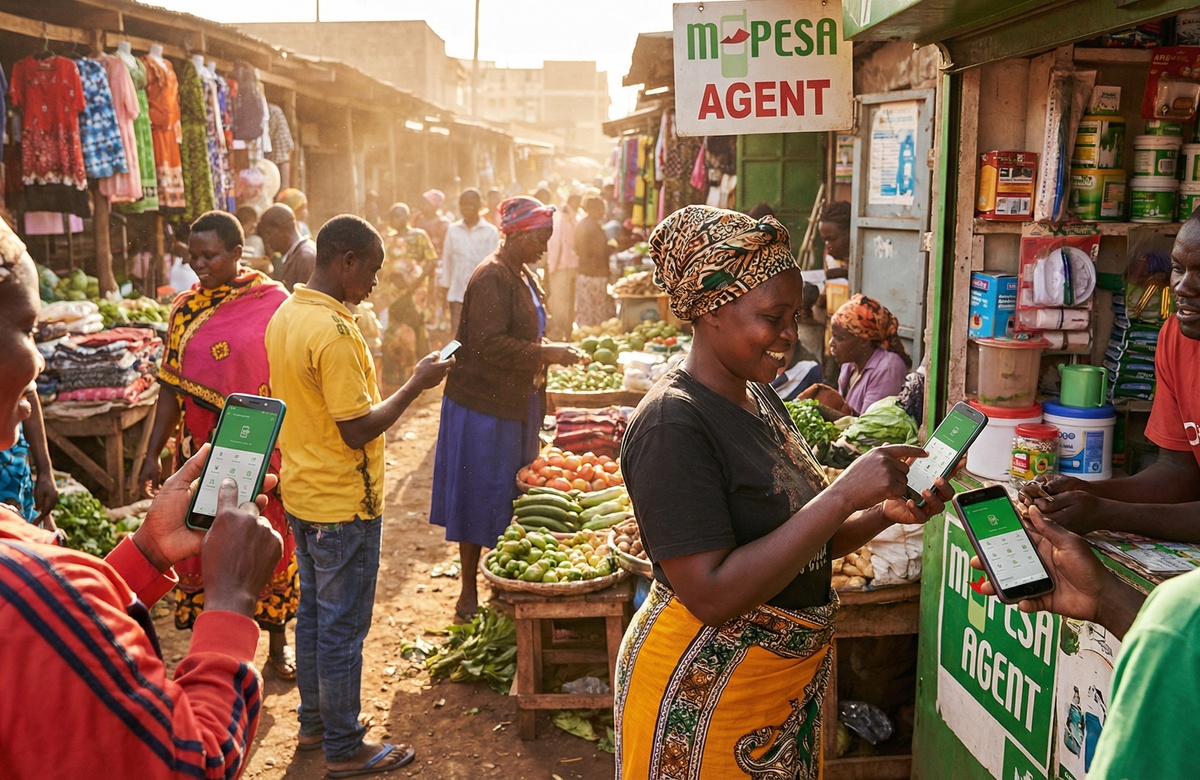
One of the most notable examples is M-Pesa, which launched in Kenya and has since expanded to other countries. By providing a secure and efficient platform for financial transactions, M-Pesa paved the way for other mobile banking services in the region, including MTN Mobile Money and Airtel Money.
Benefits of Mobile Banking for Entrepreneurs and Consumers
Mobile banking has empowered entrepreneurs and consumers alike, offering convenience and accessibility. Small business owners can now manage transactions, pay suppliers, and access credit directly from their phones. This level of convenience has particularly benefited rural entrepreneurs who previously had to travel long distances to access banking services.
For consumers, mobile banking has introduced a safe way to save money and make payments, reducing reliance on cash and improving financial security. In regions with limited banking infrastructure, mobile banking provides a lifeline, connecting people to the formal financial system for the first time.
Challenges Hindering Mobile Banking Adoption
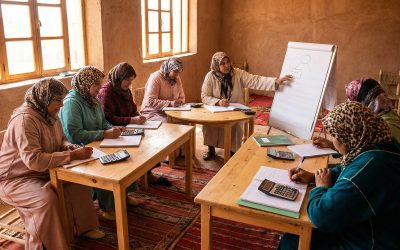
While mobile banking has made significant strides, it is not without challenges. Infrastructure gaps, particularly in remote areas, limit the reach of mobile banking services. Poor internet connectivity and a lack of affordable smartphones hinder many potential users from accessing digital platforms. Additionally, low levels of financial literacy in rural communities often prevent users from fully utilizing mobile banking services.
Regulatory hurdles also pose a challenge. Governments and financial regulators across the region must strike a balance between encouraging innovation and ensuring consumer protection. Fragmented regulations across countries in East and Central Africa can make cross-border mobile banking services difficult to implement.
Mobile Banking as a Catalyst for Economic Growth
Mobile banking’s impact extends beyond individual users. It has become a catalyst for broader economic growth by increasing financial inclusion. Access to credit through mobile platforms enables small businesses to expand, contributing to job creation and economic development. Moreover, mobile banking enhances government revenue collection by streamlining payment systems and reducing cash-based transactions, which are harder to regulate and tax.
Cross-border mobile banking services are also fostering regional trade by simplifying payments between countries. For example, platforms that allow for currency exchange and instant cross-border transactions are enabling smoother trade operations within the East African Community (EAC) and the Central African Economic and Monetary Community (CEMAC).
The Future of Mobile Banking in the Region
The future of mobile banking in East and Central Africa is promising, with ongoing advancements in technology and infrastructure. The expansion of 4G and 5G networks will further enhance the accessibility and functionality of mobile banking platforms. Additionally, partnerships between telecom providers and banks are expected to create innovative solutions tailored to the needs of diverse users.
As financial literacy programs grow and more people adopt smartphones, mobile banking will continue to bridge the financial inclusion gap. Policymakers and stakeholders must prioritize collaboration to address challenges and create an enabling environment for mobile banking to thrive.
Conclusion: Bridging the Financial Gap
Mobile banking has fundamentally transformed the financial landscape in East and Central Africa, bringing banking services to the fingertips of millions. By overcoming barriers such as distance and lack of infrastructure, it has paved the way for greater economic participation and financial empowerment. As the technology continues to evolve, mobile banking holds the potential to drive further economic growth and inclusivity across the region.
 WhatsApp for a Google-Ready Website