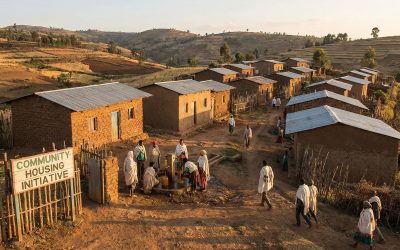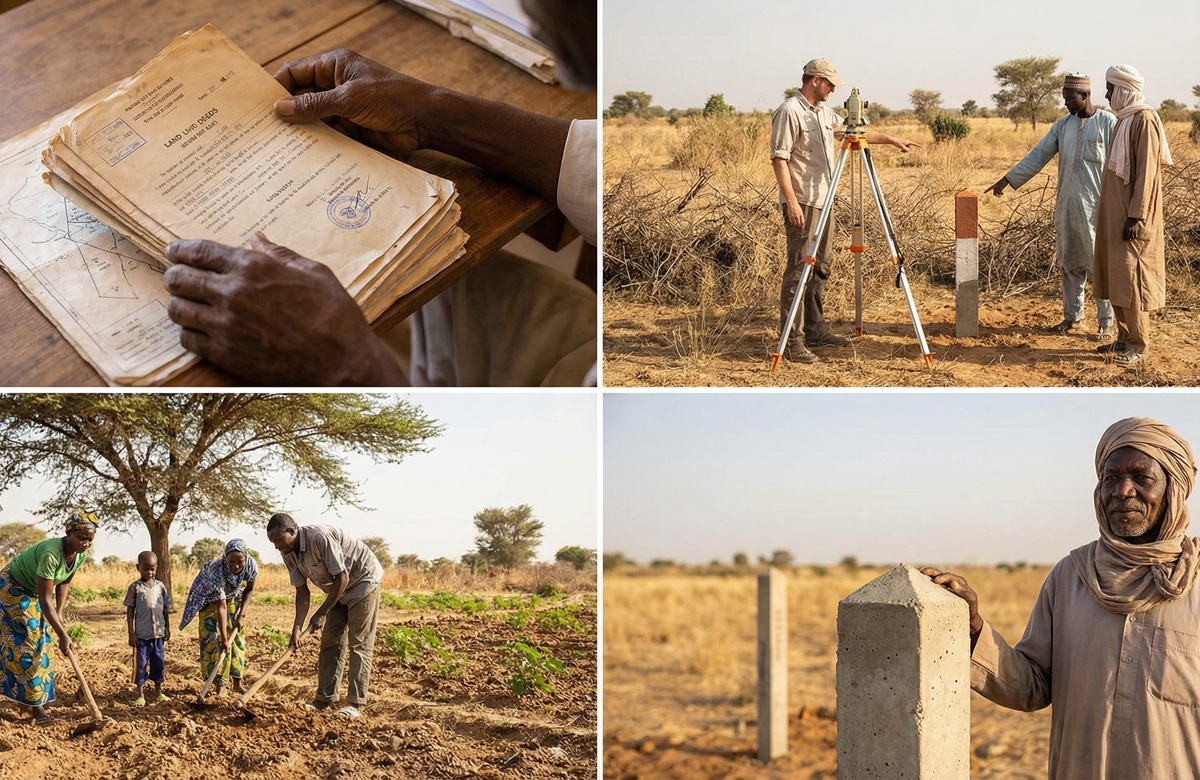
Land ownership in Chad is a complex issue, influenced by a mix of traditional practices, statutory laws, and modern regulations. For businesses and individuals, understanding these laws is crucial for securing land rights and avoiding disputes. This article provides a step-by-step guide to navigating land ownership laws in Chad, shedding light on the challenges and opportunities in this critical area.
Land Ownership in Chad: An Overview
Chad’s land ownership framework is shaped by two primary systems:
Customary Law: Based on traditional practices, customary law governs land use in rural areas. Land is typically communal and managed by local chiefs or elders.
Statutory Law: Modern land laws are codified in the Land Code of 1967, which governs land registration, transfers, and ownership in urban and peri-urban areas.
The coexistence of these systems can create confusion, particularly for businesses and investors. However, recent government initiatives aim to harmonize land laws and improve access to secure land tenure.
Steps to Navigate Land Ownership Laws
1. Understand the Land Classification
Land in Chad is classified into three categories:
State-Owned Land: Includes public spaces like forests, national parks, and government facilities.
Customary Land: Managed by local communities and primarily used for agriculture or grazing.
Private Land: Owned by individuals or businesses, typically in urban areas.
Knowing the classification of the land you’re interested in helps determine the applicable laws and processes.
2. Conduct Due Diligence
Before acquiring land, verify its legal status and ownership history. This can be done by consulting local chiefs for customary land or the land registry office for statutory land. Ensuring the land is free of disputes or encumbrances is essential.
3. Engage Local Authorities
For customary land, negotiations with community leaders or elders are necessary. These discussions often involve symbolic payments or agreements to use the land sustainably. For statutory land, applications must be submitted to the relevant municipal or provincial authorities.
4. Register the Land
Land registration provides legal proof of ownership and protects against disputes. The registration process involves:
Submitting documentation, including a purchase agreement or lease contract.
Paying registration fees and taxes.
Obtaining a land title or certificate of occupancy from the land registry office.
5. Comply with Environmental Regulations
Certain lands in Chad are subject to environmental restrictions, particularly in ecologically sensitive areas. Ensure compliance with regulations to avoid fines or legal issues.
Challenges in Land Ownership
Overlapping Legal Systems
The coexistence of customary and statutory laws often leads to conflicting claims, particularly in peri-urban areas where traditional practices intersect with modern development.
Lack of Land Records
In many regions, land ownership is undocumented, making it difficult to verify claims or register titles. This issue disproportionately affects rural areas.
Bureaucratic Hurdles
Lengthy and opaque processes for land registration can deter businesses and individuals from formalizing ownership.
Disputes and Conflicts
Land disputes are common in Chad, often arising from unclear boundaries, inheritance issues, or competing claims under different legal systems.
Strategies for Simplifying Land Ownership Processes
Strengthening Land Administration
Investing in modern land administration systems, including digitized records and streamlined registration processes, can improve efficiency and transparency.
Harmonizing Legal Frameworks
Reforming land laws to integrate customary practices with statutory regulations reduces conflicts and ensures consistency across the country.
Public Awareness Campaigns
Educating communities about land rights, registration procedures, and dispute resolution mechanisms empowers individuals to secure their land tenure.
Enhancing Dispute Resolution
Establishing accessible and impartial mechanisms for resolving land disputes minimizes conflicts and promotes trust in the legal system.
Opportunities in Land Ownership Reform
Chad’s efforts to reform land ownership laws present opportunities for businesses and investors. Securing land rights opens doors to agricultural, industrial, and infrastructure projects, contributing to economic growth. For local communities, formal land tenure enhances access to credit and investment, fostering sustainable development.
Conclusion: Navigating Land Ownership with Confidence
Understanding and navigating land ownership laws in Chad requires a careful balance of respecting traditional practices and adhering to statutory regulations. By conducting due diligence, engaging local authorities, and registering land rights, individuals and businesses can secure their investments and contribute to Chad’s economic progress. As the country continues to modernize its land administration, the process will become more accessible, transparent, and equitable.
 WhatsApp for a Google-Ready Website