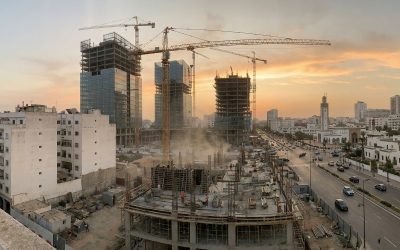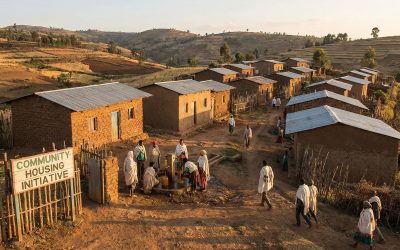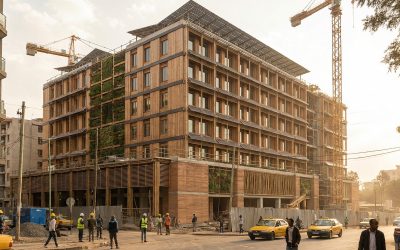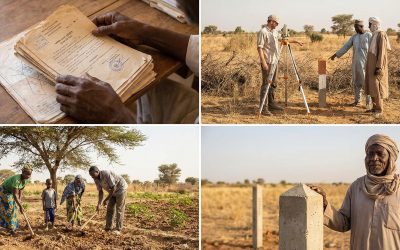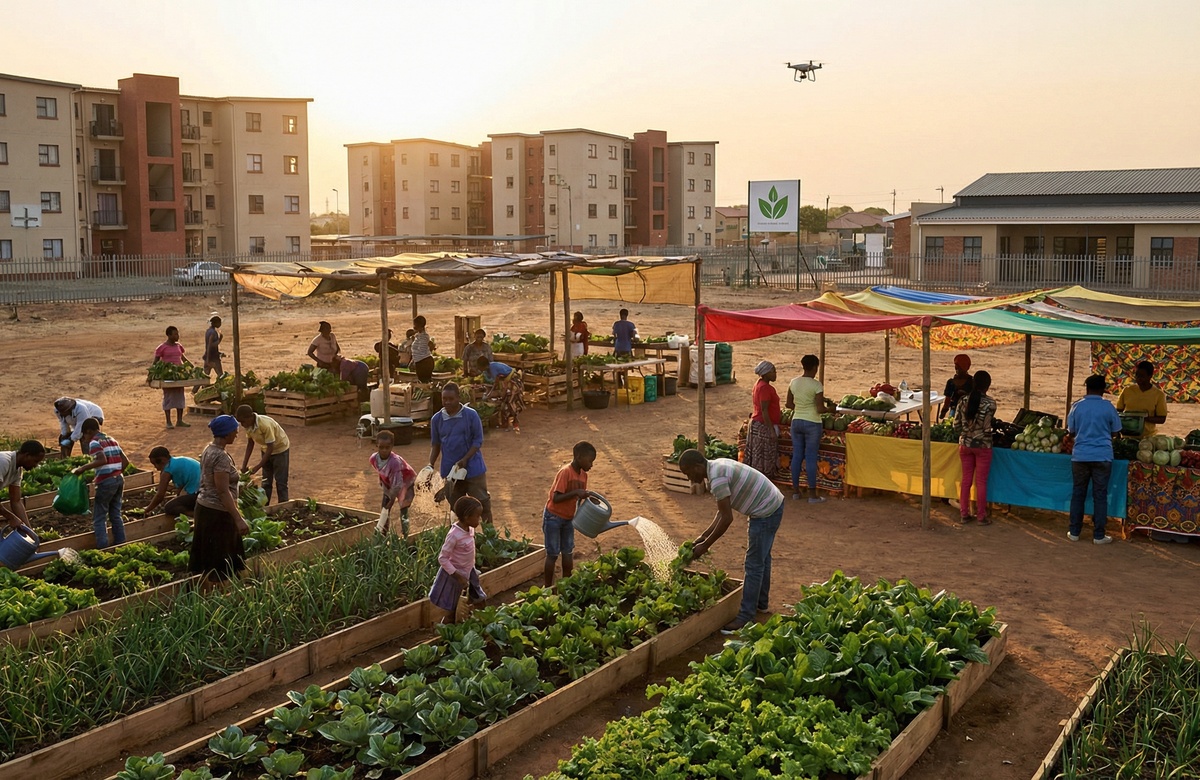
Vacant land often represents untapped potential, particularly in developing regions like East and Central Africa. For landowners, transforming idle plots into income-generating ventures is a practical way to unlock value, support local economies, and contribute to sustainable development. This article explores innovative ways to turn vacant land into profitable enterprises, providing practical strategies for landowners in Ethiopia, Chad, and beyond.
The Economic Potential of Vacant Land
Vacant land offers flexibility and opportunities for various types of ventures, from agriculture to commercial real estate. However, realizing this potential requires careful planning, investment, and alignment with market needs. By leveraging local resources and understanding regional demands, landowners can transform idle land into valuable assets.
Innovative Income-Generating Ideas for Vacant Land
1. Urban Farming
In cities with limited green spaces, urban farming is a growing trend. Vacant lots can be converted into small-scale farms producing vegetables, herbs, and fruits for local markets. Vertical gardening and hydroponic systems maximize space efficiency, making this an ideal solution for urban areas.
2. Solar Farms
With abundant sunlight in regions like Ethiopia and Chad, vacant land can be used for solar farms. These facilities generate renewable energy for local communities or sell power to the grid, providing a sustainable and profitable enterprise.
3. Commercial Leasing
Landowners near urban centers or highways can lease their land to businesses for retail outlets, parking lots, or warehouses. Leasing offers a steady income stream without requiring significant upfront investment.
4. Agro-Tourism
Vacant land in rural or semi-rural areas can be developed into agro-tourism sites, offering visitors experiences like farm stays, fruit picking, or educational tours. This concept combines agriculture with hospitality, creating dual revenue streams.
5. Eco-Lodges and Campsites
In regions with natural attractions or scenic landscapes, landowners can develop eco-friendly lodges or campsites. These ventures cater to the growing demand for sustainable tourism and promote local biodiversity conservation.
Benefits of Developing Vacant Land
Economic Growth
Income-generating ventures create jobs, stimulate local economies, and enhance property values. For communities, these projects foster economic resilience and self-sufficiency.
Environmental Sustainability
Repurposing land for eco-friendly projects, such as solar farms or agroforestry, contributes to environmental conservation while addressing climate change challenges.
Social Impact
Land development projects can support community needs, such as affordable housing or recreational spaces, enhancing quality of life for residents.
Challenges in Land Development
Regulatory Hurdles
Securing permits and navigating land-use regulations can be time-consuming and complex, particularly in countries with inconsistent legal frameworks.
Infrastructure Gaps
Lack of access to roads, water, or electricity can limit the feasibility of certain projects, especially in rural areas.
Capital Requirements
Transforming vacant land into income-generating ventures often requires significant investment, which can be a barrier for small landowners.
Market Risks
Demand for certain ventures, such as tourism or commercial leasing, may fluctuate due to economic or seasonal factors.
Strategies for Successful Land Development
Conduct Feasibility Studies
Assess the land’s location, size, and surrounding market conditions to identify the most suitable ventures. Feasibility studies reduce risks and ensure informed decision-making.
Partner with Investors
Collaborating with financial institutions, NGOs, or private investors can provide the capital needed to develop the land.
Leverage Technology
Innovations such as drone mapping and digital marketplaces can help landowners market their land, identify opportunities, and manage operations effectively.
Engage Local Communities
Involving local stakeholders in planning and development ensures community support and minimizes potential conflicts.
Success Stories from East and Central Africa
Urban Farming in Nairobi
Landowners in Nairobi are turning small plots into profitable urban farms using hydroponic systems. These ventures supply fresh produce to restaurants and supermarkets, addressing urban food security challenges.
Solar Farm in Chad
A solar energy project in southern Chad has transformed a previously unused plot into a renewable energy hub, generating income for the landowner and electricity for local villages.
Eco-Lodges in Ethiopia
Eco-lodge projects near Ethiopia’s national parks have created jobs, boosted tourism, and supported conservation efforts, demonstrating the potential of sustainable land development.
The Future of Land Development in Africa
As urbanization accelerates and sustainability becomes a priority, the demand for innovative land-use solutions will continue to grow. Landowners who embrace forward-thinking strategies can not only increase their income but also contribute to broader economic and environmental goals. With supportive policies, investment in infrastructure, and community engagement, vacant land in Africa holds immense potential for transformation.
Conclusion: From Idle Land to Active Assets
Vacant land is more than just a dormant resource—it’s a canvas for economic, social, and environmental innovation. By exploring diverse ventures like urban farming, solar farms, and eco-lodges, landowners in Ethiopia, Chad, and beyond can unlock the value of their land and create lasting impact. The possibilities are endless, and the rewards are worth the effort.
 WhatsApp for a Google-Ready Website