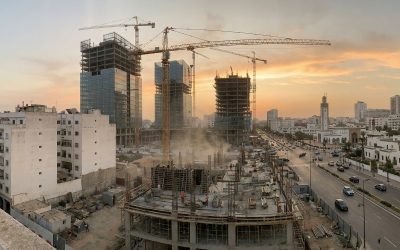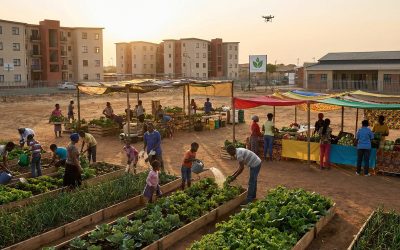
Affordable housing is a pressing issue across North Africa, where rapid urbanization and population growth have increased demand for adequate living spaces. Governments and private developers are working to address this challenge by implementing innovative housing projects that cater to low- and middle-income households. This article explores the state of affordable housing in North Africa, key projects underway, and the challenges and opportunities shaping the sector.
The Need for Affordable Housing
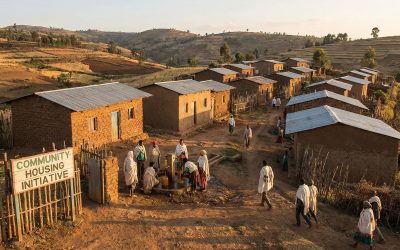
Urbanization is reshaping North Africa’s cities, with millions migrating from rural areas in search of better opportunities. This influx has created a significant housing deficit, particularly for affordable units. In Cairo, Algiers, and Casablanca, low-income families often live in overcrowded, informal settlements lacking basic infrastructure and services. Affordable housing projects aim to provide dignified living conditions while fostering socio-economic development.
Key Affordable Housing Projects
Governments in North Africa have launched several initiatives to tackle the housing crisis:
1. Egypt’s “One Million Homes” Initiative:
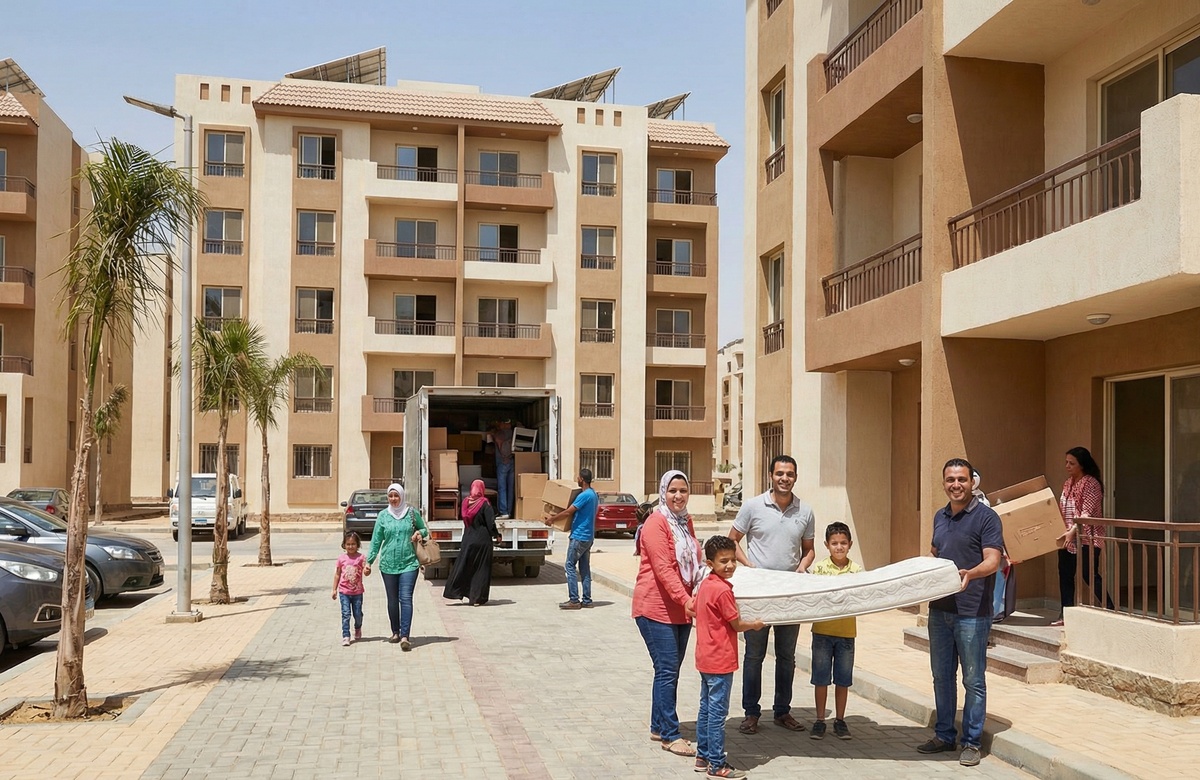
Launched in 2014, this ambitious project seeks to build one million affordable housing units for low-income families. The program includes partnerships with private developers and offers subsidized mortgages through the Central Bank of Egypt, making homeownership accessible to more citizens.
2. Morocco’s Social Housing Program:
Morocco’s government has prioritized affordable housing through tax incentives for developers and funding mechanisms for buyers. The program has delivered thousands of units, particularly in urban areas like Casablanca and Rabat. Private developers, such as Addoha Group, are key players in meeting the growing demand.
3. Algeria’s AADL Housing Program:
The National Agency for Housing Improvement and Development (AADL) in Algeria focuses on providing affordable rental and ownership options for middle-income families. By financing large-scale developments and implementing strict eligibility criteria, the program ensures that housing reaches its intended beneficiaries.
Innovative Approaches to Affordable Housing
To address the housing gap efficiently, North African countries are adopting innovative approaches:
Public-Private Partnerships (PPPs):
Collaboration between governments and private developers accelerates the construction of affordable housing. These partnerships leverage public funding and private expertise to deliver cost-effective solutions.
Sustainable Building Practices:
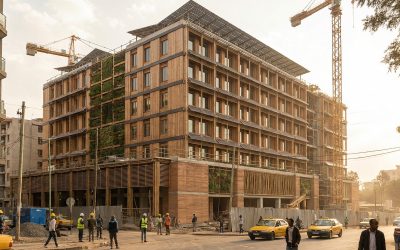
Eco-friendly materials and energy-efficient designs are becoming integral to affordable housing projects. For instance, green roofs and solar panels are being incorporated into developments to reduce utility costs and environmental impact.
Microfinance for Housing:
Microfinance institutions are offering loans to low-income households for home improvements and incremental construction, helping families transition from informal housing to formal ownership.
Challenges in Affordable Housing Development
Despite progress, the affordable housing sector in North Africa faces several challenges:
Land Availability:
Access to suitable land in urban areas is a significant obstacle, driving up costs and limiting project scope.
Financing Constraints:
Many low-income households lack access to credit, making it difficult for them to afford even subsidized housing options.
Bureaucratic Delays:
Lengthy approval processes for land use and construction permits hinder the timely delivery of housing projects.
Infrastructure Gaps:
Inadequate roads, water, and electricity infrastructure in peri-urban areas make it challenging to develop large-scale housing projects.
Opportunities for Growth
The affordable housing sector presents immense opportunities for economic growth and social impact. Investments in housing stimulate related industries, such as construction, manufacturing, and real estate, creating jobs and boosting local economies. Additionally, addressing housing needs fosters social stability by reducing inequality and improving living standards.
International organizations such as the African Development Bank (AfDB) and the World Bank are supporting North Africa’s affordable housing efforts through funding and technical assistance. These collaborations bring expertise and resources to enhance project outcomes.
The Path Forward
Affordable housing remains a critical priority for North Africa’s urban development. By streamlining regulations, fostering public-private partnerships, and embracing sustainable building practices, governments can accelerate progress toward meeting housing needs. Enhanced access to financing and infrastructure development will further ensure the success of affordable housing initiatives.
As North Africa addresses its housing challenges, these projects hold the potential to transform cities, improve livelihoods, and create a foundation for inclusive economic growth.
 WhatsApp for a Google-Ready Website