Efficient logistics systems are the backbone of export-driven economies, and North Africa is no exception. With its strategic location connecting Europe, Africa, and the Middle East, the region has immense potential to become a hub for global trade. However, maximizing this potential requires robust logistics infrastructure and seamless supply chain management. This article explores how logistics supports North Africa’s export markets, the challenges it faces, and the steps needed to enhance the region’s competitiveness.
Logistics as a Pillar of Export Growth
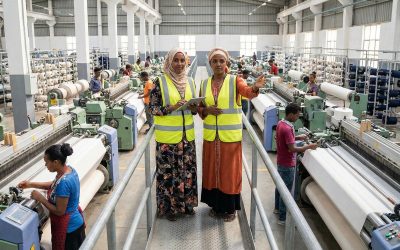
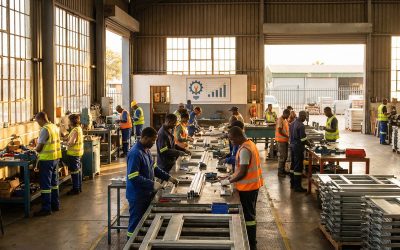
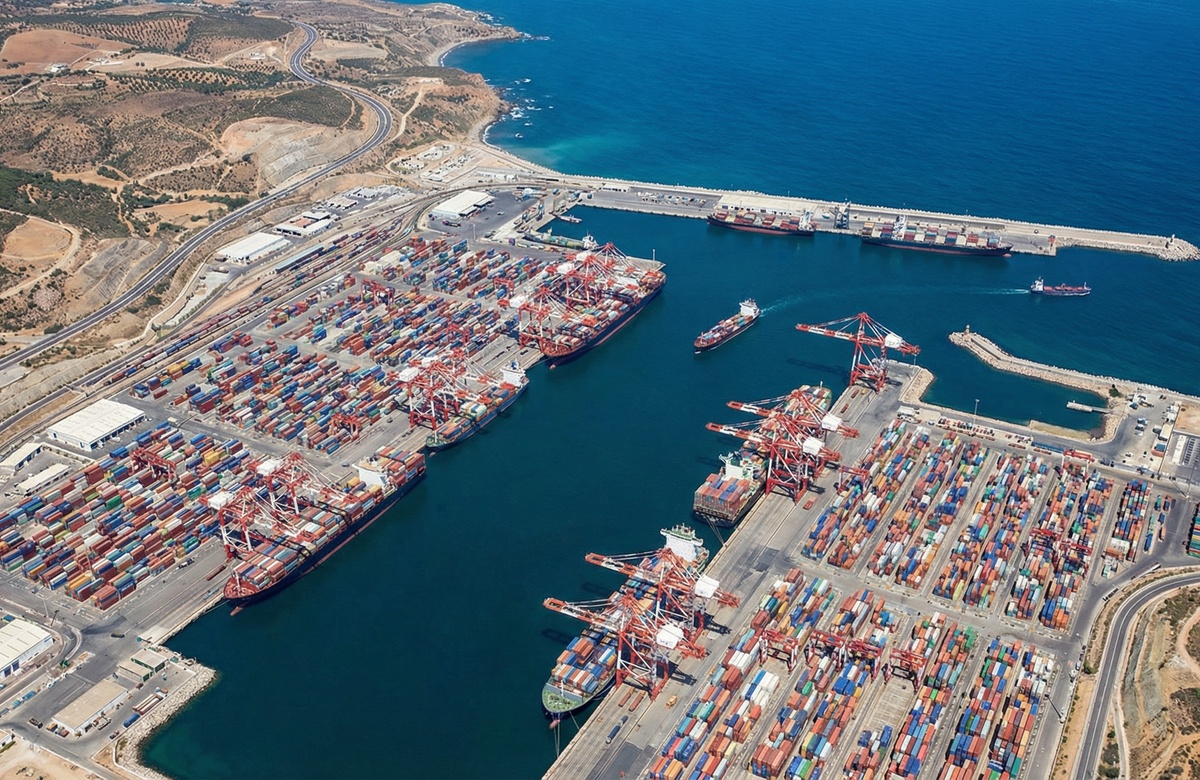
Logistics plays a critical role in facilitating exports by ensuring the smooth movement of goods from producers to international markets. In North Africa, key export industries such as agriculture, textiles, and automotive manufacturing rely heavily on efficient logistics networks. For example, Morocco’s automotive exports, driven by hubs like the Tanger Med Port, depend on reliable shipping routes and well-coordinated supply chains.
Export logistics encompasses transportation, warehousing, customs clearance, and distribution. A well-functioning logistics system reduces transit times, minimizes costs, and ensures goods reach global markets in optimal condition. This efficiency is essential for maintaining competitiveness in industries where timely delivery and cost-effectiveness are paramount.
Challenges Facing North Africa’s Logistics Sector
Despite its strategic location, North Africa faces several challenges in developing world-class logistics systems:
Infrastructure Gaps:
Many parts of the region lack adequate transport infrastructure, including roads, railways, and ports. This limitation increases transit times and costs, undermining the competitiveness of export industries.
Customs Delays:
Inefficient customs procedures and regulatory inconsistencies across countries create bottlenecks at borders, slowing the movement of goods and increasing costs for exporters.
Limited Integration:
Fragmented logistics networks within and between countries reduce efficiency. A lack of regional integration hampers trade flows and prevents North Africa from capitalizing fully on its proximity to global markets.
High Transportation Costs:
The cost of transporting goods within and beyond North Africa remains high due to fuel prices, outdated infrastructure, and limited economies of scale in some areas.
Success Stories in Logistics
Despite these challenges, North Africa has made significant progress in certain areas. Morocco stands out as a regional leader with its Tanger Med Port, one of the largest and most efficient ports in Africa. Strategically located on the Strait of Gibraltar, Tanger Med connects North Africa to over 180 global ports, facilitating trade with Europe, the Americas, and Asia. Its state-of-the-art facilities and streamlined processes make it a model for other countries in the region.
Egypt has also improved its logistics capabilities through the Suez Canal Economic Zone (SCZone), a key hub for maritime trade. The SCZone’s infrastructure investments and free trade incentives have attracted multinational companies, boosting exports and creating jobs.
Opportunities for Growth
To enhance logistics capabilities and support export markets, North Africa must seize the following opportunities:
Investing in Infrastructure:
Upgrading transport networks, including roads, railways, and ports, is essential for reducing transit times and costs. Public-private partnerships (PPPs) can mobilize the resources needed for large-scale infrastructure projects.
Streamlining Customs Procedures:
Implementing digital customs systems and harmonizing regulations across countries can reduce delays and improve efficiency. For instance, adopting single-window systems for trade documentation can simplify processes and enhance transparency.
Promoting Regional Integration:
Strengthening regional trade agreements, such as the African Continental Free Trade Area (AfCFTA), can facilitate cross-border logistics and create economies of scale. Integrated transport corridors linking major cities and ports can boost intra-regional trade.
Leveraging Technology:
Adopting advanced logistics technologies, such as GPS tracking, warehouse automation, and data analytics, can optimize supply chains and improve decision-making. Technology-driven solutions also enhance the reliability and predictability of logistics services.
The Future of Logistics in North Africa
The logistics sector in North Africa holds tremendous potential to drive export growth and economic development. By addressing infrastructure gaps, improving regulatory frameworks, and embracing technological innovation, the region can position itself as a key player in global trade. Countries that prioritize logistics development will not only strengthen their export industries but also attract foreign investment and create jobs.
As North Africa continues to integrate into global value chains, logistics will remain a critical enabler of competitiveness and sustainability. A coordinated and forward-looking approach to logistics development will unlock new opportunities for the region’s businesses and economies.
 WhatsApp for a Google-Ready Website