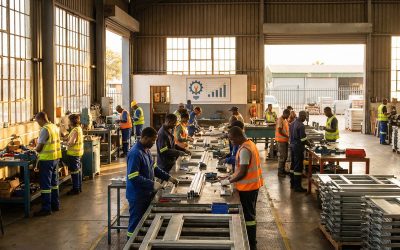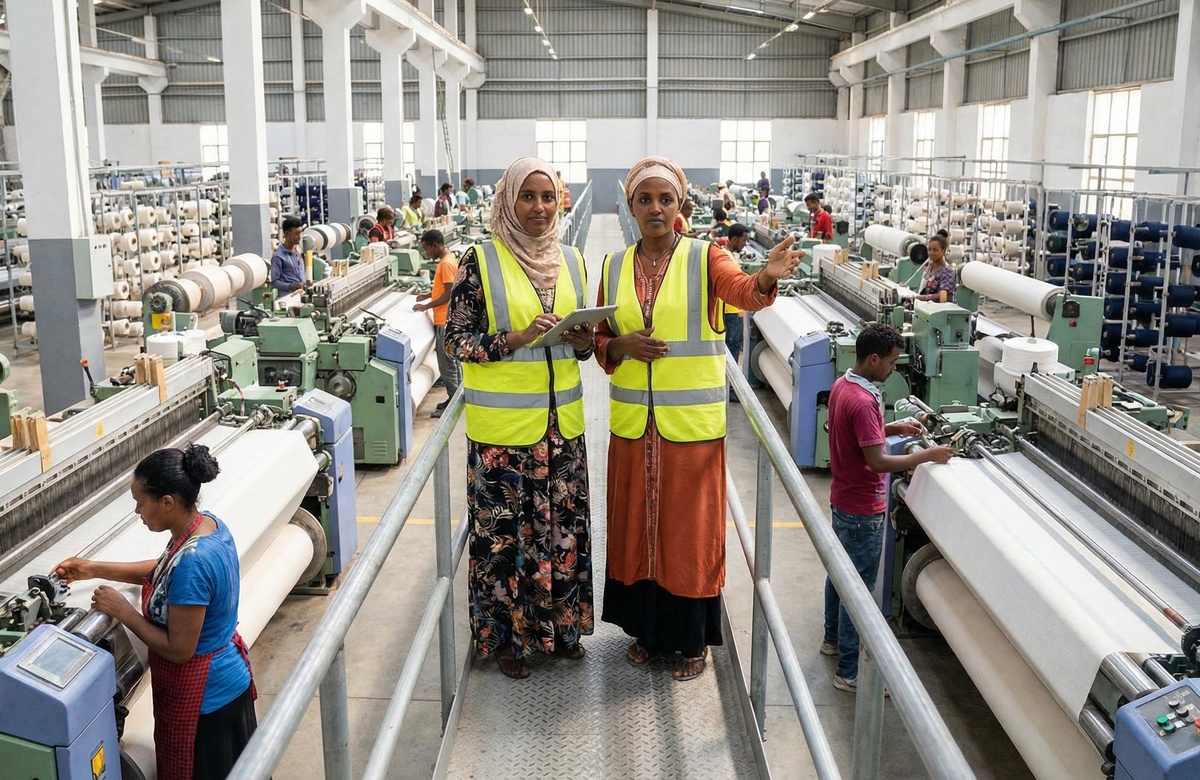
Women entrepreneurs are reshaping Ethiopia’s industrial landscape, bringing innovation, resilience, and economic empowerment to the forefront of the nation’s development. Despite facing significant challenges, these trailblazers are breaking barriers and driving growth across sectors such as textiles, agro-processing, and manufacturing. This article highlights the contributions of women entrepreneurs to Ethiopia’s industrial sector and explores strategies to support their success.
The Role of Women in Ethiopia’s Industrial Growth
Ethiopian women have long played a vital role in the economy, particularly in agriculture and informal trade. However, recent years have seen a shift, with women entering and excelling in industrial sectors traditionally dominated by men. This transformation is fueled by increased access to education, entrepreneurial training, and supportive policies such as the Ethiopian Women Development Fund (EWDF).
Women-led enterprises are making significant contributions to industrial growth by creating jobs, enhancing value chains, and promoting sustainable practices. Sectors like textiles and agro-processing are particularly notable for their high participation of women entrepreneurs.
Success Stories of Women Entrepreneurs in Ethiopia
1. Textile and Apparel Industry
Ethiopia’s textile sector has gained international recognition, with women entrepreneurs leading the charge. Companies like EthioWear, founded by women, are blending traditional Ethiopian designs with modern fashion trends, catering to both local and global markets.
2. Agro-Processing Enterprises
Women are driving innovation in agro-processing, transforming raw agricultural products into high-value goods. For instance, female-led enterprises producing organic honey, coffee, and spices are making inroads into export markets, boosting Ethiopia’s reputation as a producer of premium agricultural products.
3. Renewable Energy Solutions
Women entrepreneurs are also venturing into the renewable energy sector, creating solutions such as solar-powered mills and energy-efficient stoves. These innovations not only support industrial development but also address energy challenges in rural communities.
Challenges Facing Women Entrepreneurs in Industry
Despite their achievements, women entrepreneurs in Ethiopia face several hurdles:
Access to Finance: Limited access to credit and funding remains a significant barrier for women seeking to scale their businesses.
Cultural and Social Norms: Traditional gender roles often discourage women from pursuing entrepreneurial ambitions, particularly in male-dominated industries.
Lack of Networks: Women entrepreneurs frequently lack access to professional networks and mentorship opportunities, limiting their ability to grow and innovate.
Regulatory Barriers: Complex and inconsistent regulations can discourage women from formalizing their businesses or entering industrial sectors.
Strategies to Empower Women Entrepreneurs
1. Expanding Access to Finance
Microfinance institutions and dedicated funds, such as the Ethiopian Women Development Fund, play a crucial role in addressing the financing gap. Increasing access to low-interest loans and grants can help women entrepreneurs invest in equipment, technology, and talent.
2. Providing Training and Mentorship
Training programs focused on business management, marketing, and technical skills can empower women to scale their enterprises. Mentorship initiatives that connect experienced entrepreneurs with aspiring women leaders also foster growth and innovation.
3. Strengthening Policy Support
Governments can enact gender-sensitive policies that promote equal opportunities, such as tax incentives for women-led businesses or quotas in industrial development projects.
4. Enhancing Market Access
Creating platforms that connect women entrepreneurs with local and international buyers can boost market access and revenue. Trade fairs, e-commerce platforms, and export promotion programs are effective tools for achieving this goal.
The Impact of Women Entrepreneurs on Ethiopia’s Economy
Women-led businesses are not only contributing to industrial growth but also promoting inclusive development:
Job Creation: Women entrepreneurs often prioritize hiring other women, creating a ripple effect of economic empowerment.
Community Development: Many women-led enterprises invest in education, healthcare, and environmental sustainability, benefiting entire communities.
Innovation and Sustainability: By embracing innovative practices and sustainable solutions, women entrepreneurs enhance Ethiopia’s global competitiveness.
The Future of Women in Ethiopia’s Industrial Sector
The future looks promising for women entrepreneurs in Ethiopia’s industrial sector. With continued support from stakeholders—including governments, NGOs, and the private sector—women can overcome existing barriers and unlock their full potential. By fostering an inclusive and supportive ecosystem, Ethiopia can leverage the talents of women entrepreneurs to drive industrial growth and national development.
Conclusion: A New Era of Industrial Leadership
Women entrepreneurs are transforming Ethiopia’s industrial sector, proving that gender is no barrier to success. Their resilience, creativity, and impact on the economy highlight the importance of supporting women in business. By empowering women entrepreneurs, Ethiopia can create a more inclusive and prosperous industrial landscape that benefits all its citizens.
 WhatsApp for a Google-Ready Website