Agribusiness is emerging as a key driver of economic growth and food security in Central Africa. With abundant natural resources, favorable climates, and growing regional markets, the potential for agribusiness in the region is immense. However, unlocking this potential requires strategic investments, policy reforms, and innovation to overcome existing challenges. This article explores the trends shaping agribusiness in Central Africa and what the future holds for this vital sector.
The Current State of Agribusiness in Central Africa
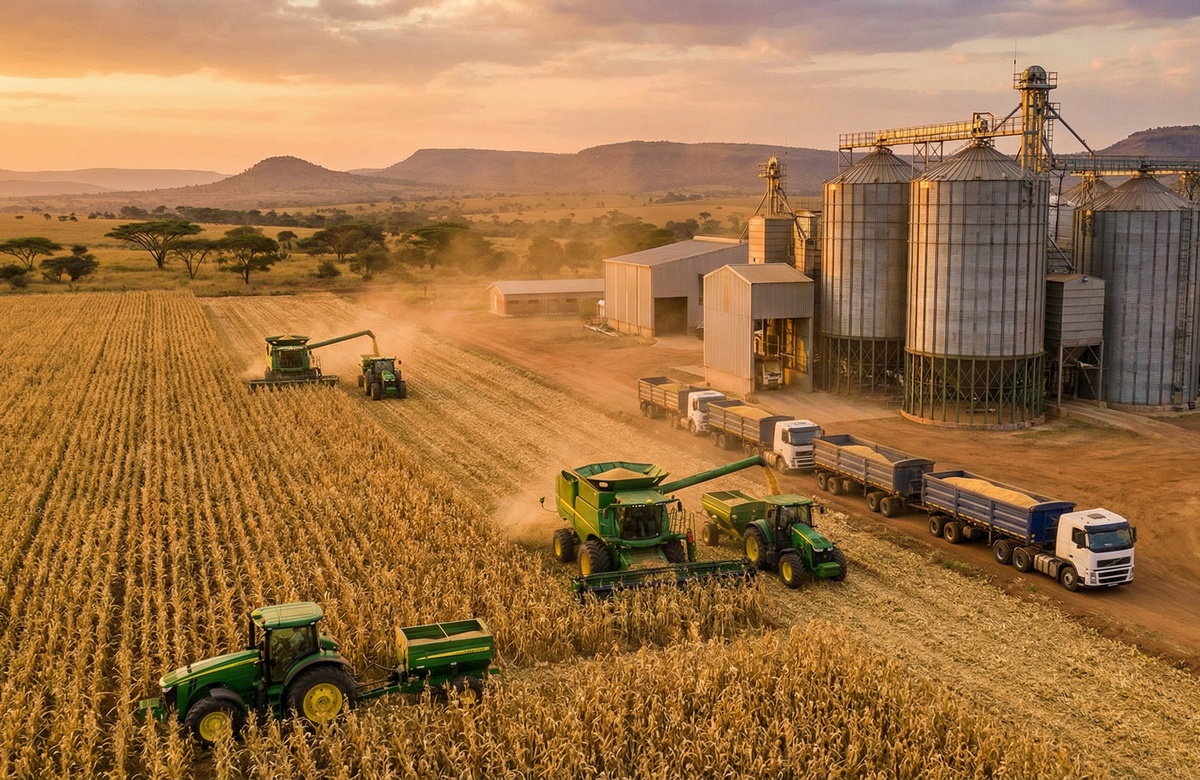
Agriculture is the backbone of many Central African economies, employing over 60% of the region’s population. However, the sector has historically been dominated by subsistence farming, with limited access to technology, markets, and finance. Agribusinesses—enterprises that add value to agricultural products through processing, packaging, and distribution—are gradually transforming this landscape.
Countries like Chad, Cameroon, and the Central African Republic are experiencing a shift towards commercial agriculture, supported by regional trade agreements and government initiatives aimed at improving productivity and market access.
Trends Shaping the Future of Agribusiness
1. Adoption of Technology
The integration of technology in agriculture is revolutionizing farming practices. Drones, sensors, and mobile apps are enabling precision farming, while blockchain technology is enhancing transparency and efficiency in supply chains. In Chad, for instance, mobile platforms are helping farmers access real-time weather updates and market prices.
2. Focus on Value Addition
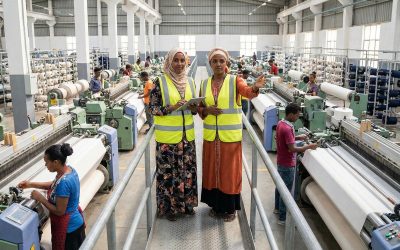
Value addition is becoming a priority for agribusinesses, with a focus on processing raw agricultural products into finished goods. For example, cashew nuts, cocoa, and coffee are being processed locally, creating jobs and increasing export revenues.
3. Climate-Smart Agriculture
Given the region’s vulnerability to climate change, agribusinesses are adopting climate-smart practices such as drought-resistant crops, agroforestry, and efficient water management systems. These practices not only mitigate risks but also enhance sustainability.
4. Regional Integration
The African Continental Free Trade Area (AfCFTA) is opening up new opportunities for agribusiness by reducing trade barriers and expanding markets. Central African agribusinesses can now access larger regional markets, promoting cross-border trade.
5. Youth and Women Participation
Young people and women are increasingly venturing into agribusiness, bringing innovation and fresh perspectives. Programs that provide training, mentorship, and funding are empowering these groups to lead the sector’s transformation.
Challenges Facing Agribusiness in Central Africa
Limited Access to Finance
Agribusinesses often face difficulties in securing affordable credit, which hinders investment in equipment, technology, and infrastructure.
Poor Infrastructure
Inadequate transport networks and storage facilities result in high post-harvest losses and reduced market access for agricultural products.
Market Volatility
Fluctuating prices for agricultural commodities make it challenging for agribusinesses to maintain stable revenues.
Policy Gaps
Inconsistent policies and lack of government support can discourage private sector investment in agribusiness.
Strategies to Unlock Agribusiness Potential
1. Investment in Infrastructure
Building better roads, warehouses, and cold storage facilities will improve market access and reduce losses. Public-private partnerships can play a critical role in funding these projects.
2. Enhancing Access to Finance
Establishing dedicated agribusiness funds and leveraging microfinance institutions can provide entrepreneurs with the capital they need to grow their ventures.
3. Promoting Innovation
Encouraging research and development in agriculture can lead to the creation of high-yield crops, sustainable farming techniques, and efficient processing technologies.
4. Strengthening Regional Collaboration
Countries in Central Africa must work together to harmonize trade policies, improve cross-border logistics, and facilitate knowledge-sharing in agribusiness.
5. Supporting Smallholder Farmers
Integrating smallholder farmers into agribusiness value chains through cooperatives and contract farming ensures inclusive growth and increases productivity.
The Economic Impact of Agribusiness
Agribusiness has the potential to drive economic diversification and reduce dependence on oil and mining in Central Africa. By creating jobs, enhancing food security, and generating export revenue, the sector can contribute significantly to poverty reduction and sustainable development.
Conclusion: A Promising Horizon
The future of agribusiness in Central Africa is bright, provided the region addresses its challenges and leverages its strengths. With the right investments, policies, and innovations, agribusiness can become a cornerstone of economic growth and a pathway to prosperity for millions. The time to act is now, as the region positions itself as a global leader in sustainable agriculture.
 WhatsApp for a Google-Ready Website