Ethiopia is leading the way in Africa’s renewable energy transformation, leveraging its abundant natural resources to meet growing energy demands sustainably. From hydropower to solar and wind projects, the country is diversifying its energy portfolio while reducing dependence on fossil fuels. This article explores Ethiopia’s renewable energy initiatives, their impact on the economy, and the opportunities they create for sustainable development.
Ethiopia’s Energy Landscape
Ethiopia is blessed with vast renewable energy potential, including hydropower, solar, wind, and geothermal resources. The government’s Growth and Transformation Plan (GTP) has prioritized renewable energy as a key driver of economic growth and environmental sustainability. These efforts aim to increase electricity access, enhance industrial productivity, and support Ethiopia’s goal of becoming a carbon-neutral economy by 2050.
The centerpiece of Ethiopia’s renewable energy strategy is the Grand Ethiopian Renaissance Dam (GERD), a massive hydropower project poised to significantly increase the country’s electricity generation capacity.
Key Renewable Energy Projects in Ethiopia
1. Grand Ethiopian Renaissance Dam (GERD)
GERD is one of Africa’s largest hydropower projects, with a generation capacity of over 6,000 megawatts (MW). The dam is expected to provide electricity to millions of Ethiopians and export power to neighboring countries, boosting regional economic integration.
2. Ashegoda Wind Farm
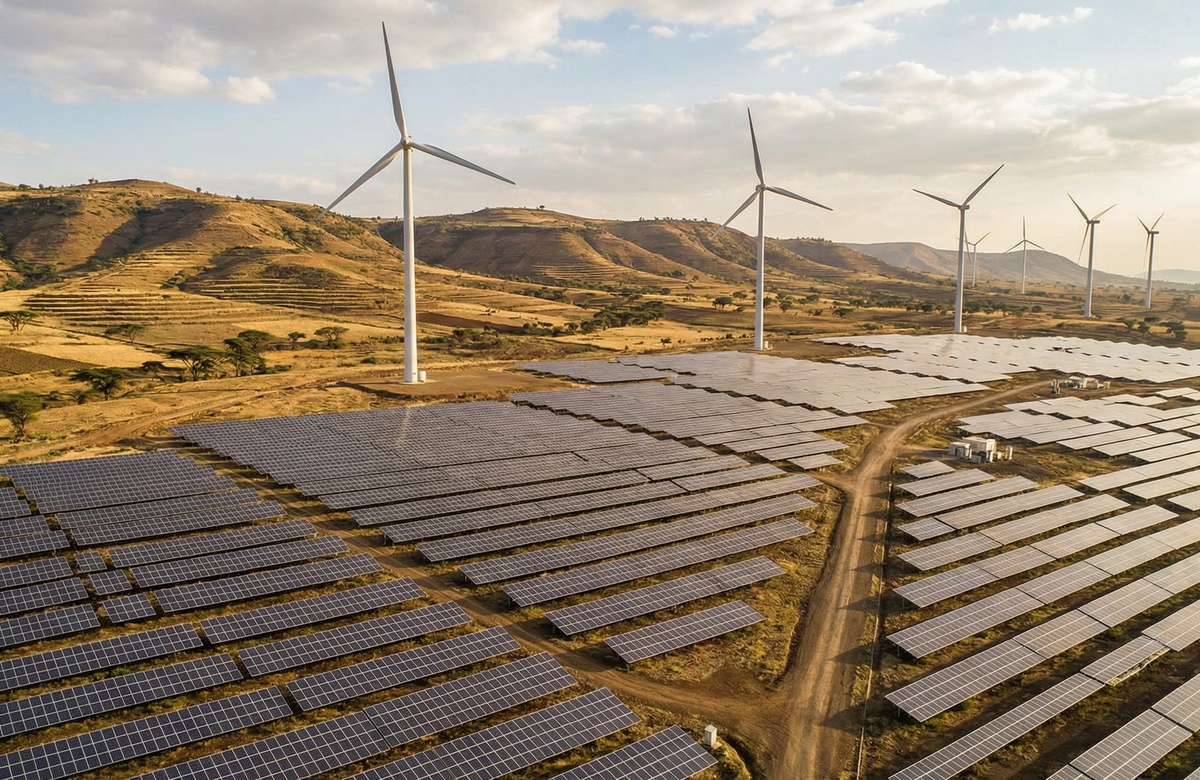
Located in northern Ethiopia, the Ashegoda Wind Farm is among the largest in sub-Saharan Africa. With a capacity of 120 MW, it highlights Ethiopia’s commitment to diversifying its energy sources.
3. Metehara Solar Farm
The Metehara Solar Farm, under development, aims to harness Ethiopia’s abundant sunlight to generate 100 MW of clean energy. Solar projects like Metehara play a critical role in electrifying rural areas where grid expansion is challenging.
4. Geothermal Projects
Ethiopia is tapping into its geothermal potential through projects like Corbetti Geothermal, which is expected to generate 500 MW upon completion. Geothermal energy provides a stable and reliable source of power, complementing intermittent sources like solar and wind.
Economic and Social Impact of Renewable Energy
Boosting Industrial Development
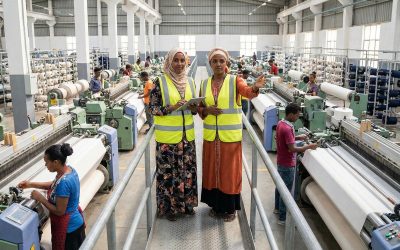
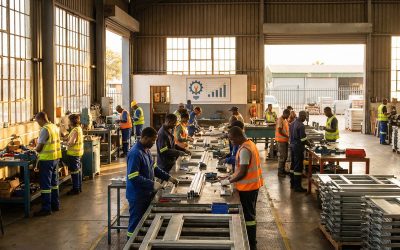
Renewable energy projects are powering Ethiopia’s industrial parks, enabling the growth of manufacturing and agro-processing industries. Reliable and affordable electricity reduces production costs, attracting domestic and foreign investment.
Expanding Electricity Access
Renewable energy initiatives are extending electricity to rural areas, improving living standards and enabling economic activities such as irrigation, education, and small businesses.
Reducing Carbon Emissions
By replacing fossil fuels with renewable sources, Ethiopia is significantly reducing its greenhouse gas emissions, contributing to global efforts to combat climate change.
Creating Jobs
The construction and maintenance of renewable energy projects create thousands of jobs, providing income and skills development for local communities.
Challenges in Expanding Renewable Energy
Despite its progress, Ethiopia faces challenges in scaling renewable energy:
Financing Gaps: Renewable energy projects require significant investment, often exceeding the capacity of local budgets and private sector funding.
Infrastructure Deficits: Limited grid infrastructure hampers the distribution of electricity, especially in remote areas.
Environmental Concerns: Large-scale projects like GERD have raised concerns about their ecological impact and effects on downstream communities.
Strategies for Sustainable Energy Development
Public-Private Partnerships (PPPs)
Engaging private investors through PPPs can address funding gaps and accelerate project implementation. Ethiopia’s renewable energy sector offers attractive opportunities for international investors.
Regional Collaboration
Collaborating with neighboring countries on power trade agreements can maximize the economic benefits of renewable energy projects. Ethiopia already exports electricity to Djibouti, Sudan, and Kenya, creating regional interdependence.
Community Engagement
Involving local communities in project planning and implementation ensures that renewable energy initiatives address social and environmental concerns while fostering public support.
Technological Innovation
Adopting advanced technologies like smart grids and energy storage systems can enhance the efficiency and reliability of Ethiopia’s renewable energy infrastructure.
The Future of Renewable Energy in Ethiopia
Ethiopia’s commitment to renewable energy positions it as a leader in Africa’s green energy transition. By overcoming challenges and scaling successful projects, the country can achieve its ambitious energy goals while setting an example for sustainable development across the continent.
Conclusion: Powering a Sustainable Future
Renewable energy is more than a solution to Ethiopia’s energy challenges—it’s a pathway to economic growth, social development, and environmental stewardship. Through strategic investments and collaborations, Ethiopia is not only meeting its energy needs but also building a sustainable future for its people and the region.
 WhatsApp for a Google-Ready Website