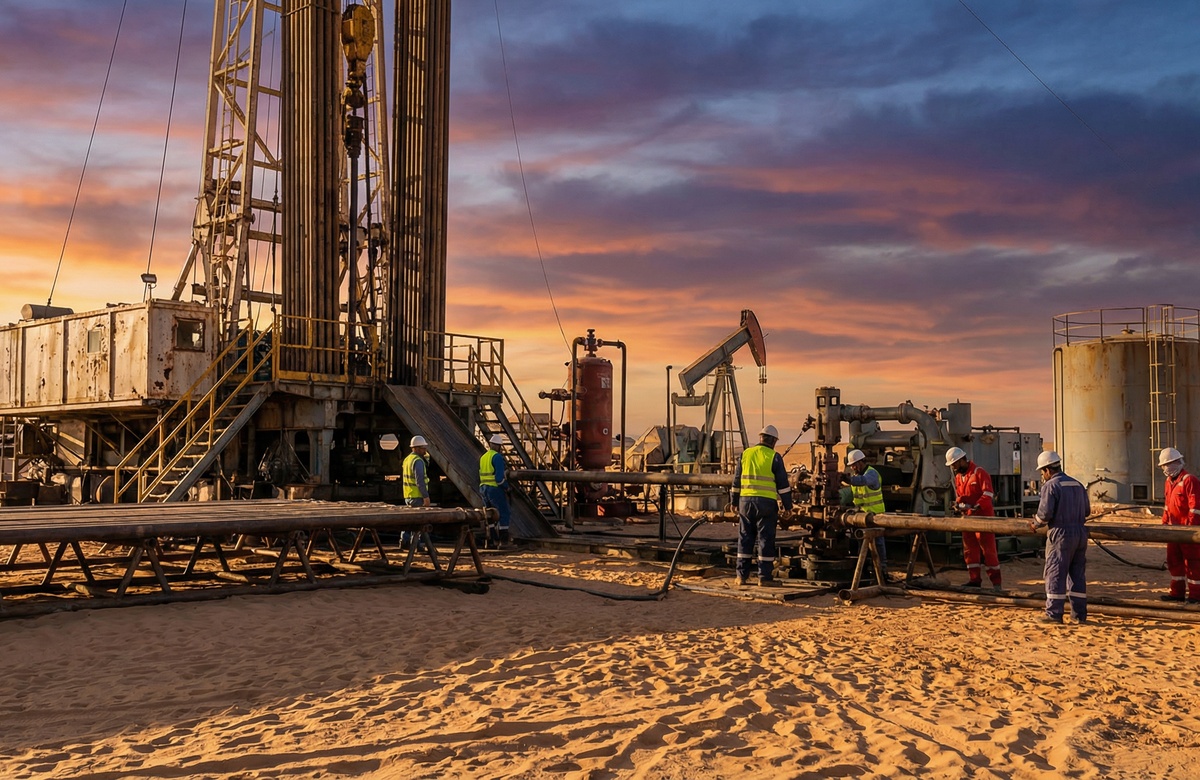
The oil and gas sector is a cornerstone of North Africa’s economy, dominated by large multinational corporations. However, small and medium-sized enterprises (SMEs) have significant opportunities to participate in the supply chain, contributing to economic diversification and job creation. This article explores practical steps for SMEs to enter the oil and gas industry, the challenges they may face, and strategies to overcome these barriers.
Understanding the Oil and Gas Supply Chain
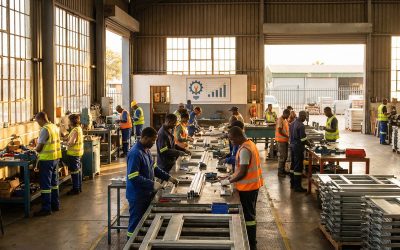
The oil and gas supply chain encompasses a wide range of activities, from exploration and production to transportation, refining, and distribution. Supporting these activities are numerous services and products, including equipment manufacturing, maintenance, logistics, and environmental services. SMEs can play a vital role in this ecosystem by providing specialized goods and services, such as drilling equipment, safety gear, or catering for on-site workers.
In North Africa, where the oil and gas industry is a major economic driver, governments and corporations are increasingly seeking to involve local businesses in the supply chain. This focus on local content creates significant opportunities for SMEs to secure contracts and establish partnerships with industry players.
Steps for SMEs to Enter the Supply Chain
1. Understand Industry Requirements:
SMEs must familiarize themselves with the technical, legal, and safety standards of the oil and gas industry. Meeting these stringent requirements is crucial for securing contracts with major companies. Training programs, industry workshops, and partnerships with established players can help SMEs build the necessary expertise.
2. Build Strong Networks:
Networking is key to entering the oil and gas supply chain. SMEs should attend industry events, trade fairs, and conferences to connect with potential clients and partners. Establishing relationships with government agencies and local oil and gas associations can also open doors to opportunities.
3. Offer Niche Services or Products:
SMEs can increase their chances of success by focusing on specialized offerings that address specific industry needs. For example, an SME that provides innovative environmental monitoring solutions or custom-designed safety equipment may stand out in the market.
4. Leverage Local Content Policies:
Many North African governments have implemented local content requirements to promote the participation of domestic businesses in the oil and gas sector. SMEs can benefit from these policies by partnering with international companies that need to fulfill local content obligations.
5. Invest in Certifications and Compliance:
Obtaining certifications such as ISO 9001 (Quality Management) or ISO 14001 (Environmental Management) enhances credibility and demonstrates a commitment to industry standards. Compliance with health, safety, and environmental regulations is essential for securing contracts.
Challenges for SMEs in the Oil and Gas Sector
Despite the opportunities, SMEs face several challenges when entering the oil and gas supply chain:
High Capital Requirements:
The oil and gas industry often involves significant upfront investments, which can be a barrier for small businesses. Access to financing is critical for SMEs looking to scale their operations.
Complex Procurement Processes:
Large corporations typically have rigorous procurement procedures that require SMEs to navigate complex bidding and contracting processes.
Competition from Established Players:
SMEs must compete with larger, more experienced suppliers who already have established relationships with industry players.
Market Volatility:
Fluctuations in oil and gas prices can impact demand for goods and services, creating uncertainty for SMEs operating in the sector.
Strategies to Overcome Barriers
To address these challenges, SMEs can adopt the following strategies:
Form Strategic Alliances: Partnering with other businesses can help SMEs pool resources, share risks, and access larger contracts. Collaborations with international companies can also provide exposure to new technologies and markets.
Access Government Support: Many North African governments offer grants, subsidies, and training programs to support SMEs in the oil and gas industry. Leveraging these resources can ease financial and operational constraints.
Focus on Innovation: Developing cost-effective, innovative solutions can give SMEs a competitive edge. For example, using digital tools to optimize logistics or incorporating environmentally sustainable practices can attract industry attention.
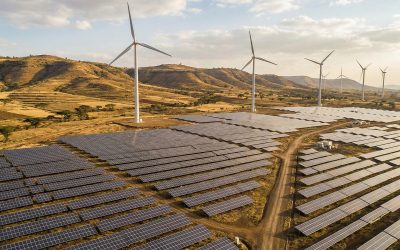
Diversify Revenue Streams: Expanding into complementary sectors, such as renewable energy or infrastructure development, can reduce dependency on the oil and gas industry and mitigate risks associated with market volatility.
The Future of SMEs in the Oil and Gas Supply Chain
SMEs have a vital role to play in diversifying and localizing North Africa’s oil and gas industry. By embracing innovation, building partnerships, and aligning with local content policies, they can secure a foothold in this lucrative sector. As governments and corporations continue to prioritize local participation, the potential for SMEs to thrive in the oil and gas supply chain will only grow.
With the right strategies and support, North African SMEs can contribute to the sustainable development of the region’s energy industry while creating jobs and driving economic growth.
 WhatsApp for a Google-Ready Website