Small and Medium Enterprises (SMEs) are the backbone of Chad’s manufacturing sector, playing a pivotal role in driving economic growth and creating jobs. Despite challenges such as limited infrastructure and access to finance, SMEs are thriving through innovation and resilience. This article explores how SMEs are shaping Chad’s manufacturing industry, their contributions to the economy, and strategies to support their growth.
The Role of SMEs in Chad’s Manufacturing Sector
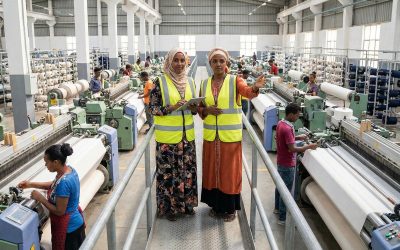
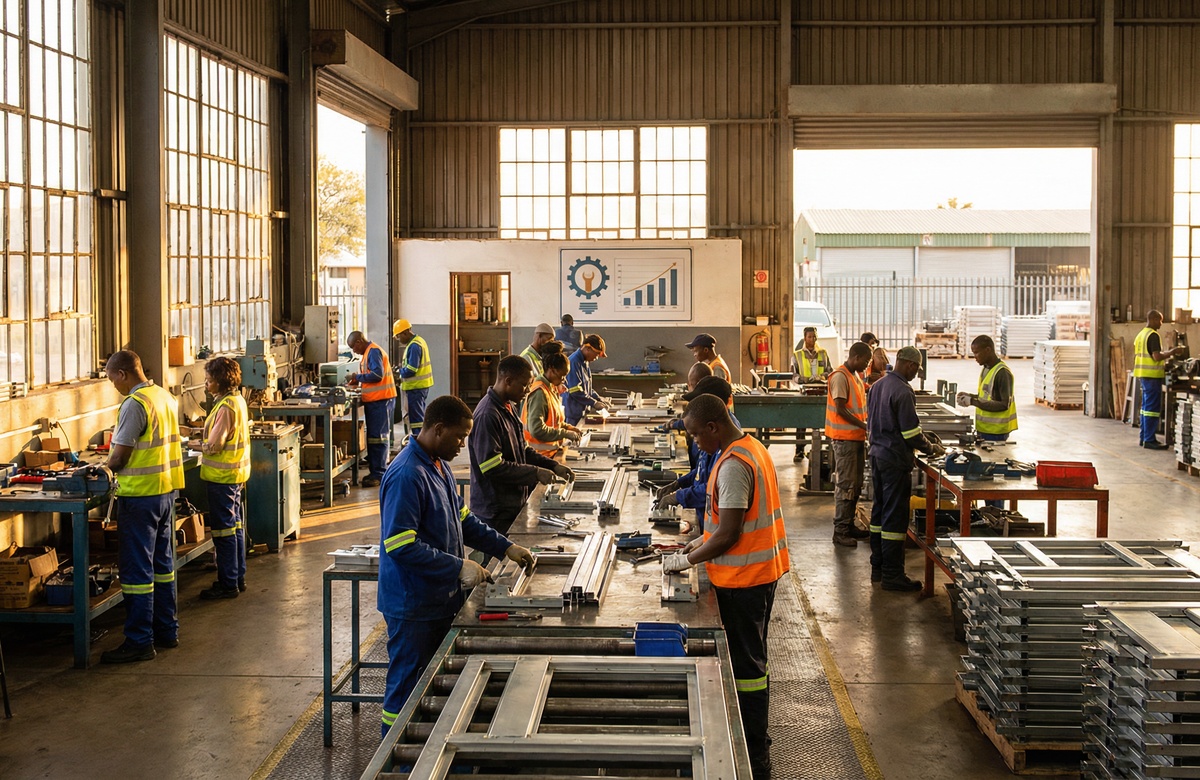
Chad’s manufacturing sector is still in its early stages, with SMEs accounting for a significant share of industrial activity. These enterprises produce a range of goods, including food products, textiles, construction materials, and artisanal crafts. By tapping into local resources and responding to domestic demand, SMEs are reducing the country’s reliance on imports and stimulating regional trade.
The government’s focus on diversifying the economy away from oil has positioned manufacturing as a priority sector. Programs such as the National Development Plan (PND) emphasize SME growth as a key driver of industrialization and economic sustainability.
Key Contributions of SMEs to Manufacturing Growth
1. Job Creation
SMEs are major employers in Chad, particularly in urban areas like N’Djamena. They provide jobs across various skill levels, contributing to poverty reduction and improving living standards.
2. Value Addition
By processing raw materials into finished products, SMEs add value to Chad’s abundant natural resources, such as cotton, livestock, and gum arabic. This value addition enhances the competitiveness of local goods in both domestic and export markets.
3. Promoting Innovation
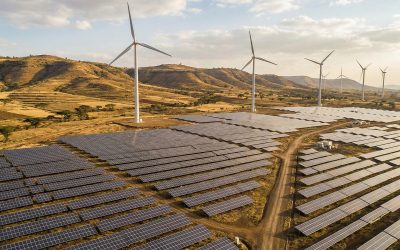
SMEs are hubs of creativity and innovation, developing cost-effective solutions to manufacturing challenges. For instance, local entrepreneurs are adopting renewable energy technologies to power small-scale production facilities.
4. Supporting Regional Trade
SMEs engaged in manufacturing often cater to regional markets, strengthening Chad’s position within the Central African Economic and Monetary Community (CEMAC).
Challenges Facing SMEs in Manufacturing
Limited Access to Finance
SMEs in Chad struggle to secure affordable credit due to underdeveloped financial markets and stringent lending requirements. This limits their ability to invest in equipment, technology, and skilled labor.
Infrastructure Deficits
Poor road networks, unreliable electricity, and limited water supply create operational inefficiencies for manufacturers, increasing production costs.
Regulatory Barriers
Complex and inconsistent regulations hinder SME growth. Lengthy business registration processes and high taxes discourage entrepreneurs from formalizing their operations.
Market Constraints
Low consumer purchasing power and competition from imported goods often constrain the growth potential of local SMEs.
Strategies to Support SME Manufacturing Growth
1. Improving Access to Finance
Creating dedicated SME funds and microfinance schemes can address the financing gap. Partnerships with international development agencies can also provide grants and low-interest loans.
2. Investing in Infrastructure
Upgrading transport networks, energy systems, and industrial parks will reduce operational costs and enhance productivity for manufacturers.
3. Simplifying Regulations
Streamlining business registration and reducing tax burdens can encourage more SMEs to formalize their operations, unlocking growth opportunities.
4. Capacity Building
Providing training programs in business management, technical skills, and quality control equips SME owners to improve efficiency and competitiveness.
5. Promoting Public-Private Partnerships (PPPs)
Collaboration between the government and private sector can facilitate investments in shared infrastructure, such as processing facilities and distribution networks.
Success Stories from Chad’s SME Sector
Agro-Processing Enterprises
SMEs specializing in food processing, such as groundnut oil production and dairy products, are thriving by meeting local demand and exporting to neighboring countries.
Textile and Leather Industries
Small-scale manufacturers in Chad are leveraging the country’s livestock resources to produce leather goods and traditional fabrics, creating value from local materials.
Renewable Energy-Powered SMEs
Entrepreneurs are adopting solar energy solutions to power manufacturing processes in off-grid areas, demonstrating innovation in resource-limited settings.
The Future of Manufacturing in Chad
SMEs have the potential to transform Chad’s manufacturing sector into a dynamic and competitive industry. By addressing challenges and fostering an enabling environment, the government and stakeholders can unlock the full potential of SMEs, driving economic growth and diversification.
Conclusion: Empowering SMEs for Industrial Growth
SMEs are the lifeblood of Chad’s manufacturing sector, contributing to job creation, value addition, and innovation. By supporting these enterprises with improved infrastructure, access to finance, and capacity building, Chad can build a resilient and diversified economy that benefits all its citizens.
 WhatsApp for a Google-Ready Website