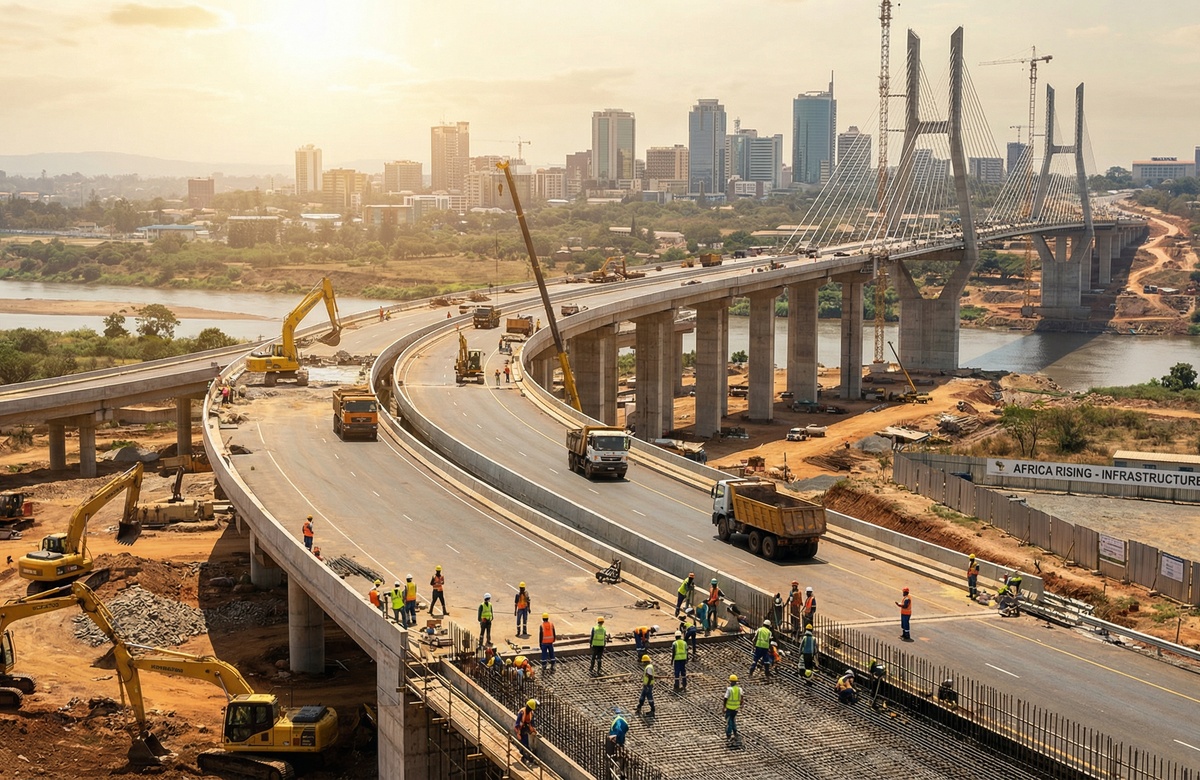
Infrastructure development is a cornerstone of economic growth, providing the foundation for trade, investment, and job creation. In Chad, one of Africa’s most landlocked and underdeveloped nations, investments in infrastructure are driving significant economic transformation. This article explores how infrastructure improvements are reshaping Chad’s economy and unlocking its potential for growth.
Chad’s Infrastructure Landscape: Progress Amid Challenges
Chad faces unique challenges due to its geography, with vast deserts, sparse population, and limited access to ports. Historically, poor infrastructure has hindered the movement of goods and people, restricting economic activity. However, recent investments in roads, railways, and energy projects are beginning to change this narrative.
The government, supported by international organizations such as the African Development Bank (AfDB) and the World Bank, has prioritized infrastructure development as part of its Vision 2030 strategy. Key projects focus on improving transport networks, expanding energy access, and enhancing telecommunications.
Transformative Infrastructure Projects in Chad
1. Road Network Expansion
Chad’s national road network has seen significant upgrades, with new highways connecting major cities like N’Djamena, Moundou, and Abeche. These roads improve access to markets, reduce travel times, and lower transportation costs for businesses and farmers.
2. The Djermaya Solar Power Plant
Chad is embracing renewable energy with projects like the Djermaya Solar Power Plant, which aims to provide clean electricity to thousands of households and businesses. Reliable energy access is critical for powering industries and attracting investment.
3. Fiber Optic Connectivity
Efforts to expand broadband internet through the Central African Backbone (CAB) project are enhancing telecommunications infrastructure. This connectivity supports e-commerce, education, and digital innovation, contributing to economic diversification.
4. The Lake Chad Basin Development
Restoration and development initiatives around Lake Chad aim to improve water management, support agriculture, and create jobs for communities dependent on the lake’s resources.
Economic Impact of Infrastructure Development
Boosting Trade and Investment
Improved infrastructure enhances Chad’s ability to trade with neighboring countries, including Cameroon, Nigeria, and Sudan. Upgraded transport corridors facilitate cross-border commerce, increasing Chad’s competitiveness in regional markets.
Empowering Local Industries
Better roads and energy access support industries like agriculture, mining, and manufacturing. Farmers can transport their produce to markets more efficiently, while energy-intensive sectors benefit from reliable electricity.
Job Creation
Infrastructure projects generate employment opportunities during construction and maintenance phases. These jobs not only provide income but also improve local skill levels, contributing to long-term economic resilience.
Challenges in Infrastructure Development
Despite progress, Chad faces several hurdles in its infrastructure journey:
Funding Gaps: Infrastructure projects often rely on external funding, which can be unpredictable and insufficient to meet the country’s needs.
Maintenance Issues: Ensuring the sustainability of infrastructure requires ongoing investment in maintenance, which is frequently overlooked.
Climate Vulnerabilities: Chad’s infrastructure is vulnerable to extreme weather events, such as floods and droughts, exacerbated by climate change.
Strategies for Sustainable Development
Public-Private Partnerships (PPPs)
Engaging the private sector in infrastructure projects can help bridge funding gaps and bring technical expertise. PPPs have proven successful in other African nations and could be scaled in Chad.
Climate-Resilient Infrastructure
Incorporating climate adaptation measures, such as flood-resistant road designs and renewable energy systems, ensures infrastructure remains functional in changing environmental conditions.
Capacity Building
Investing in local capacity for infrastructure planning, construction, and maintenance reduces reliance on external contractors and fosters self-sufficiency.
The Future of Chad’s Economy
Infrastructure development is laying the groundwork for Chad’s economic transformation. With sustained investments and strategic planning, the country can leverage its geographical position and natural resources to become a regional trade hub. Improved infrastructure not only supports economic growth but also enhances the quality of life for millions of Chadians.
Conclusion: Building Pathways to Prosperity
Infrastructure development is the lifeblood of Chad’s economic ambitions. By focusing on sustainable, inclusive, and climate-resilient projects, the country is paving the way for long-term growth and stability. The progress achieved so far serves as a testament to the power of infrastructure in unlocking potential and creating opportunities.
 WhatsApp for a Google-Ready Website