Renewable energy is reshaping North Africa’s industrial landscape, offering new opportunities for economic growth, job creation, and environmental sustainability. With abundant natural resources such as solar radiation and wind, the region is uniquely positioned to become a leader in green energy production. This article explores how renewable energy is driving industrial growth in North Africa, its economic impact, and the potential for future expansion.
The Renewable Energy Landscape in North Africa
North Africa is increasingly investing in renewable energy projects to meet rising energy demands, reduce reliance on fossil fuels, and address climate change. Countries like Morocco, Egypt, and Algeria have implemented ambitious renewable energy strategies that prioritize solar, wind, and hydropower development.
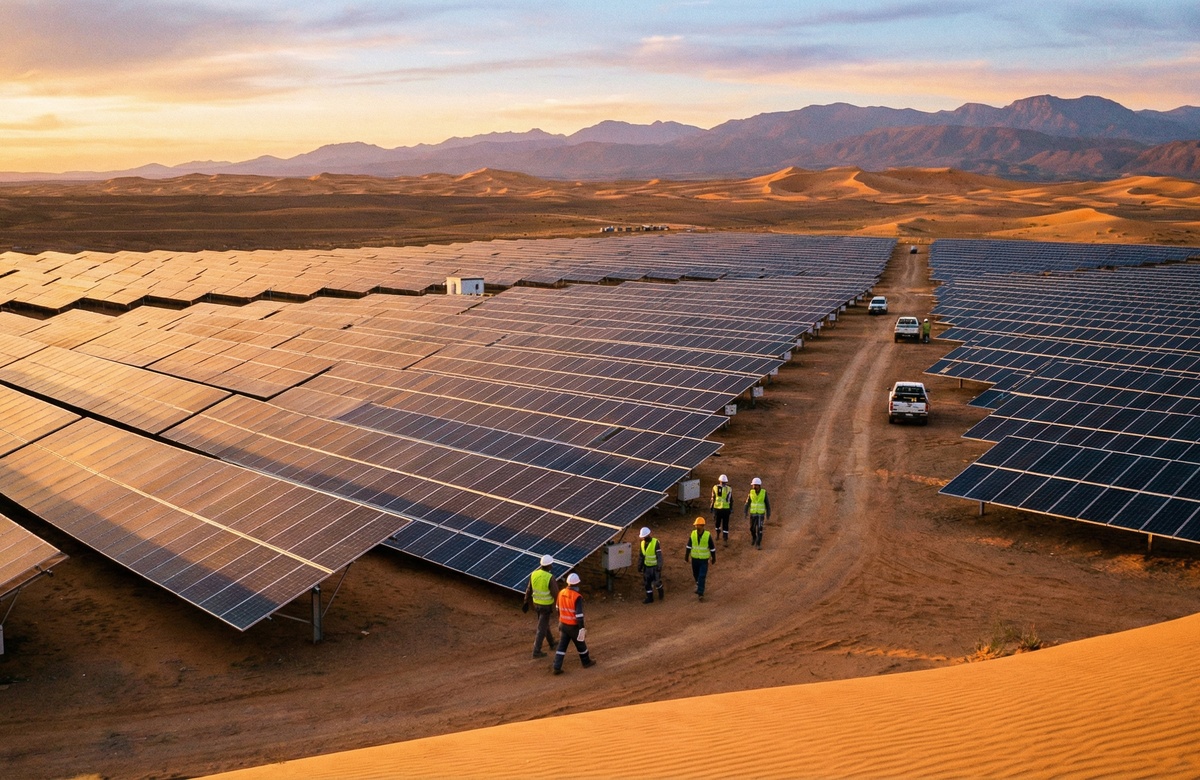
Morocco leads the region with its Noor Solar Power Plant in Ouarzazate, one of the largest concentrated solar power (CSP) plants in the world. This facility not only provides clean energy to millions of households but also supports industrial activities such as mining and manufacturing by offering stable and affordable electricity.
Egypt has also made significant strides with the Benban Solar Park, a flagship project under its renewable energy framework. This initiative has attracted foreign investments and created thousands of jobs, contributing to the country’s industrial growth. Algeria, with its vast desert landscape, has begun leveraging solar power for both domestic consumption and export potential.
Economic Impact of Renewable Energy
The growth of renewable energy in North Africa is fueling industrial development in several ways. First, the availability of clean and affordable energy reduces production costs for industries, enhancing their competitiveness in local and international markets. For example, energy-intensive sectors such as cement, steel, and fertilizers benefit significantly from renewable energy sources.
Renewable energy projects also stimulate job creation. From construction and installation to maintenance and operation, these projects create employment opportunities across various skill levels. The International Renewable Energy Agency (IRENA) estimates that renewable energy projects in North Africa could generate hundreds of thousands of direct and indirect jobs in the coming years.
Additionally, renewable energy investments attract international funding and technology transfers, fostering innovation and economic diversification. By positioning themselves as green energy hubs, North African countries can tap into global markets and establish themselves as leaders in sustainable industrial practices.
Renewable Energy and Industrial Integration
The integration of renewable energy into industrial activities is revolutionizing production processes in North Africa. Industrial parks powered by renewable energy, such as the Ain Sefra Solar Industrial Zone in Algeria, demonstrate the potential for sustainable manufacturing. These zones combine energy-efficient technologies with green energy sources, reducing carbon footprints and promoting sustainable development.
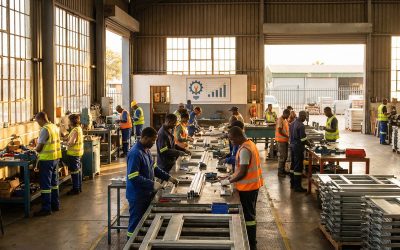
Renewable energy also supports the development of new industries, such as the manufacturing of solar panels, wind turbines, and battery storage systems. These emerging sectors contribute to local value chains, boost exports, and create opportunities for regional collaboration.
Challenges in Scaling Renewable Energy
Despite its benefits, the expansion of renewable energy in North Africa faces several challenges. These include:
High Initial Costs:
The capital-intensive nature of renewable energy projects often deters investments, particularly in countries with limited financial resources.
Grid Infrastructure:
Inadequate grid infrastructure poses a barrier to the efficient distribution of renewable energy. Many rural and remote areas lack the connectivity needed to benefit from these projects.
Policy and Regulatory Gaps:
Inconsistent policies and regulatory frameworks hinder the growth of renewable energy markets. Streamlined and transparent policies are essential to attract investors and facilitate project implementation.
Technological Limitations:
Dependence on imported technology for renewable energy systems increases costs and creates dependency, slowing the pace of domestic industry development.
The Future of Renewable Energy in North Africa
The future of renewable energy in North Africa is bright, with countries aiming to achieve ambitious targets for green energy production. Morocco plans to generate 52% of its electricity from renewable sources by 2030, while Egypt aims to produce 42% by the same year. Algeria, too, is focusing on increasing its solar power capacity to reduce reliance on fossil fuels.
To accelerate this transition, governments and private sectors must collaborate on addressing challenges. Investments in grid infrastructure, technology transfer agreements, and regional partnerships will be key to scaling renewable energy initiatives. Public awareness campaigns and educational programs can also foster support for renewable energy and encourage innovation.
Driving Industrial Growth Through Green Energy
Renewable energy is more than just a solution to environmental challenges—it is a catalyst for industrial growth in North Africa. By reducing energy costs, creating jobs, and fostering innovation, renewable energy is transforming the region’s economic landscape. With continued investments and strategic planning, North Africa can become a global leader in sustainable industrial development, reaping the economic and environmental benefits of its renewable energy revolution.
 WhatsApp for a Google-Ready Website