Manufacturing has long been a cornerstone of North Africa’s economy, driving job creation and economic growth. As global markets evolve and technology advances, the region’s manufacturing sector is undergoing significant transformation. This article explores key trends shaping the future of manufacturing in North Africa and the opportunities they present for businesses and economies.
The Role of Manufacturing in North Africa’s Economy
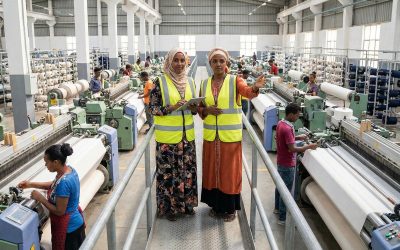
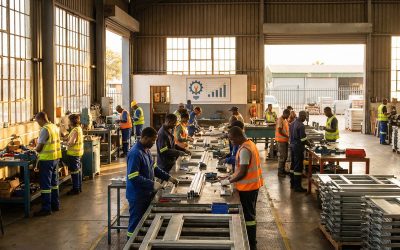
Manufacturing contributes significantly to GDP and employment in North Africa. Sectors such as textiles, automotive, and food processing dominate the landscape, with countries like Morocco and Tunisia leading in automotive production and Egypt excelling in textiles and chemicals. However, challenges such as global competition, resource limitations, and infrastructure gaps have driven the need for modernization and innovation.
Key Trends Transforming Manufacturing
1. Digital Transformation and Industry 4.0
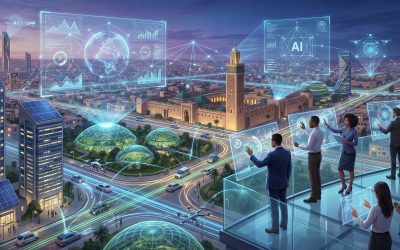
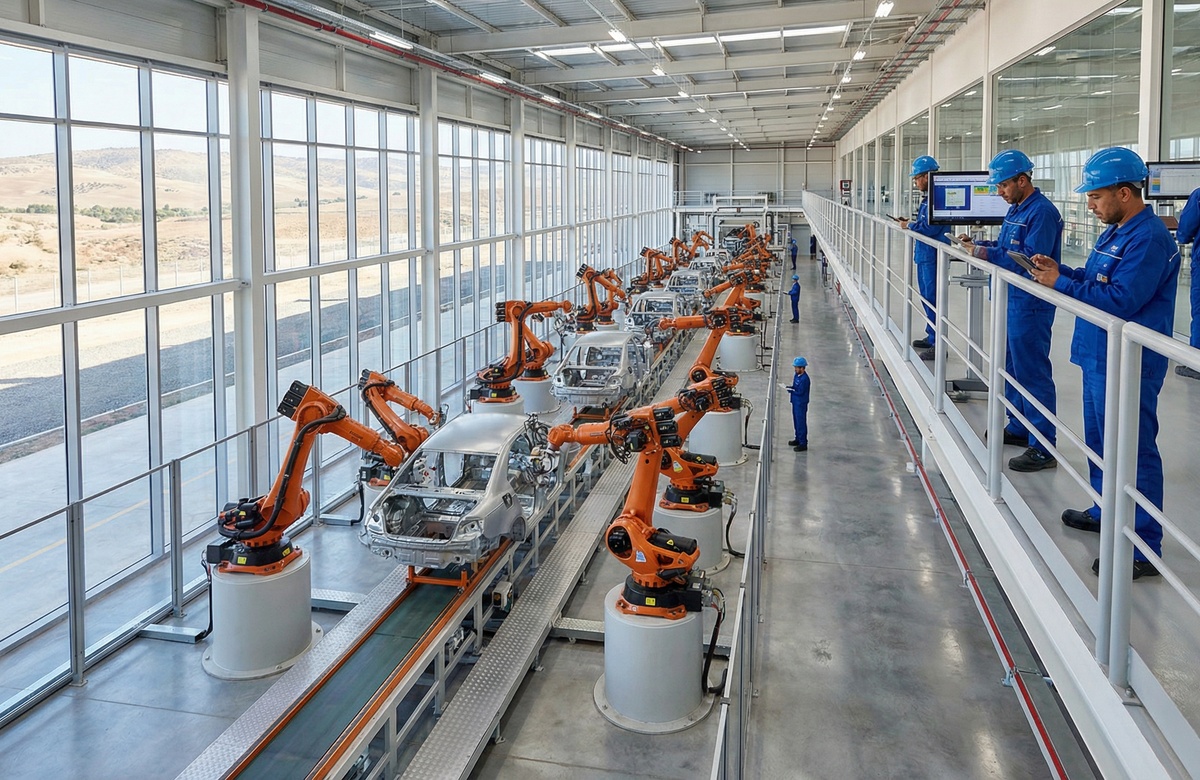
The adoption of Industry 4.0 technologies, such as automation, artificial intelligence (AI), and the Internet of Things (IoT), is revolutionizing manufacturing in North Africa. Smart factories equipped with real-time data analytics and robotics are improving efficiency and reducing costs. For example, Morocco’s automotive plants are integrating advanced robotics to streamline production processes, enhancing output and quality.
2. Shift Toward Sustainability
Sustainability is becoming a core focus for manufacturers in North Africa. Companies are investing in energy-efficient equipment, adopting circular economy practices, and sourcing renewable energy to power their operations. Tunisia, for instance, is promoting green manufacturing initiatives through incentives for businesses that prioritize environmental sustainability.
3. Localization of Supply Chains
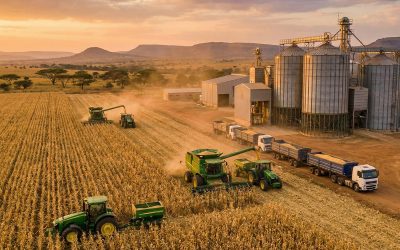
Global supply chain disruptions have highlighted the importance of local manufacturing capabilities. North African countries are increasingly focusing on building self-sufficient supply chains to reduce dependency on imports and strengthen domestic industries. This trend is particularly evident in sectors like food processing and pharmaceuticals.
4. Focus on Export-Oriented Manufacturing
North Africa’s proximity to Europe and the Middle East makes it an attractive hub for export-oriented manufacturing. Morocco’s free trade agreements with the EU and the US have boosted exports in textiles and automotive parts. Similarly, Egypt is capitalizing on its strategic location to expand exports in chemicals and construction materials.
5. Rise of Specialized Manufacturing Zones
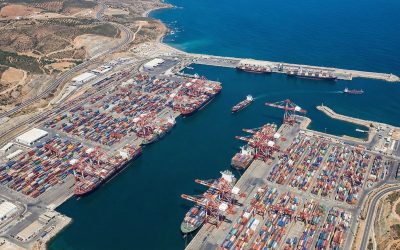
Governments in North Africa are establishing industrial zones and special economic zones (SEZs) to attract investment and foster innovation. These zones provide infrastructure, tax incentives, and streamlined regulations for manufacturers. Examples include the Tanger Med Zone in Morocco and the Suez Canal Economic Zone in Egypt, which have become magnets for multinational companies.
Challenges Facing Manufacturing in North Africa
Despite its potential, the manufacturing sector in North Africa faces several challenges, including:
Skills Gap: The lack of skilled labor hampers the adoption of advanced manufacturing technologies. Investments in vocational training and education are needed to address this gap.
Infrastructure Deficiencies: Limited access to reliable transportation, energy, and communication infrastructure increases production costs and reduces competitiveness.
Regulatory Hurdles: Complex and inconsistent regulations deter investment and slow down industrial growth. Simplifying regulatory frameworks is essential to attract more businesses.
Global Competition: North Africa’s manufacturers face stiff competition from Asian markets, which often offer lower production costs.
Opportunities for Growth
To thrive in the evolving manufacturing landscape, North African countries must leverage their strengths and address existing challenges. Opportunities for growth include:
Investing in Technology: Encouraging the adoption of Industry 4.0 technologies can improve efficiency and attract high-value investments.
Promoting Regional Integration: Strengthening trade within North Africa through frameworks like the African Continental Free Trade Area (AfCFTA) can unlock new markets and reduce barriers to intra-regional trade.
Supporting SMEs: Providing financial incentives and technical assistance to small and medium-sized enterprises (SMEs) can boost innovation and competitiveness in the manufacturing sector.
Expanding Renewable Energy Use: Leveraging renewable energy resources to power manufacturing facilities aligns with global sustainability goals and reduces operational costs.
The Path Forward
The future of manufacturing in North Africa is bright, with immense opportunities for innovation and growth. By embracing digital transformation, prioritizing sustainability, and addressing structural challenges, the region can position itself as a competitive manufacturing hub. Governments, private sector stakeholders, and international partners must collaborate to create an enabling environment that fosters investment, innovation, and inclusive growth.
As North Africa transitions toward a modern manufacturing economy, it has the potential to drive regional development and strengthen its position in the global value chain.
 WhatsApp for a Google-Ready Website