Digital transformation is revolutionizing industries across North Africa, driving efficiency, innovation, and competitiveness. From manufacturing to agriculture, businesses in the region are adopting digital technologies to streamline operations, improve productivity, and meet the demands of a rapidly changing global market. This article explores the key impacts of digital transformation on North African industries, the challenges involved, and the opportunities it creates for economic growth.
Digital Transformation in Key Industries
1. Manufacturing:
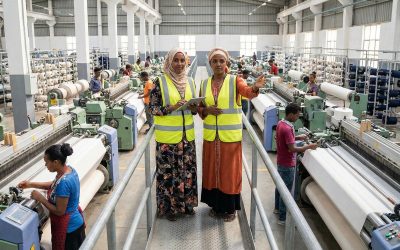
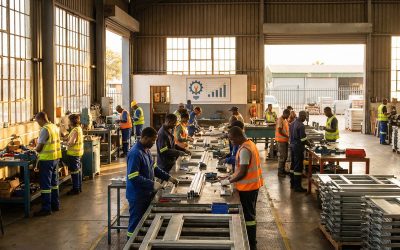
The manufacturing sector in North Africa is leveraging Industry 4.0 technologies such as automation, robotics, and the Internet of Things (IoT). Smart factories equipped with real-time data analytics and predictive maintenance tools are increasing efficiency and reducing downtime. In Morocco, for instance, automotive manufacturers are adopting digital tools to optimize supply chains and enhance production quality.
2. Agriculture:
Digital technologies are transforming agriculture by introducing precision farming, satellite imaging, and drone technology. These innovations enable farmers to monitor crop health, optimize water usage, and increase yields. Egypt’s agriculture sector, for example, has embraced mobile applications that provide real-time weather updates and market prices, empowering farmers with actionable insights.
3. Retail and E-Commerce:
The retail industry has experienced significant growth through the integration of e-commerce platforms and digital payment systems. Startups in North Africa are capitalizing on the rise of online shopping, offering mobile-friendly marketplaces and seamless digital payment options. Tunisia’s growing e-commerce sector is a prime example of how digital transformation is reshaping traditional retail models.
4. Energy:
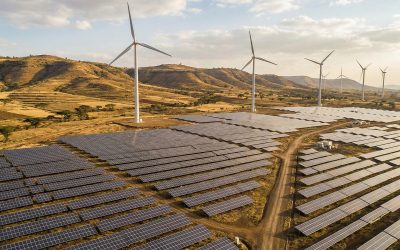
Digital transformation is also impacting the energy sector, particularly renewable energy projects. Digital tools are being used to monitor energy production, manage grids, and forecast demand. Algeria’s solar energy initiatives rely on advanced software solutions to maximize efficiency and integrate renewable energy into the national grid.
Economic Benefits of Digital Transformation
Digital transformation is driving economic growth in North Africa by improving productivity, reducing costs, and creating new revenue streams. For businesses, adopting digital technologies leads to enhanced efficiency and competitiveness. For example, companies using data analytics can identify inefficiencies in their operations, implement cost-saving measures, and make informed strategic decisions.
The adoption of digital technologies also fosters innovation. Startups and small businesses are using cloud computing, artificial intelligence (AI), and blockchain to develop new products and services. These innovations not only drive growth but also create high-value jobs, contributing to economic diversification.
Furthermore, digital transformation enhances market access. Businesses leveraging e-commerce and digital marketing can reach customers beyond their immediate geographic areas, expanding their market presence and boosting revenues.
Challenges in Digital Transformation
Despite its potential, digital transformation in North Africa faces several challenges:
Infrastructure Gaps:
Limited access to high-speed internet and unreliable electricity supply hinder the adoption of digital technologies, particularly in rural areas.
Digital Skills Shortage:
A lack of skilled professionals in fields such as data science, cybersecurity, and software development slows the pace of digital transformation.
Cost of Technology Adoption:
For many businesses, especially small and medium-sized enterprises (SMEs), the high cost of adopting digital tools and technologies is a significant barrier.
Regulatory and Policy Constraints:
Inconsistent regulations and a lack of supportive policies can deter investments in digital transformation initiatives.
Strategies to Accelerate Digital Transformation
To overcome these challenges and unlock the full potential of digital transformation, North African governments and businesses must take proactive measures:
Investing in Infrastructure:
Expanding internet connectivity and ensuring reliable power supplies are critical for enabling digital adoption. Public-private partnerships can mobilize resources for infrastructure development.
Enhancing Digital Skills:
Vocational training programs, coding bootcamps, and digital literacy initiatives can build the workforce needed for a digitally driven economy.
Supporting SMEs:
Providing financial incentives, such as grants and low-interest loans, can help SMEs afford the technology needed to compete in a digital environment.
Strengthening Policies and Regulations:
Creating clear and supportive regulatory frameworks for data protection, e-commerce, and digital payments will foster investor confidence and encourage innovation.
The Future of Digital Transformation in North Africa
The future of North Africa’s industries lies in embracing digital transformation. By adopting advanced technologies, businesses can improve efficiency, enhance competitiveness, and access new markets. Governments that prioritize infrastructure, skills development, and supportive policies will create an environment conducive to innovation and growth.
As North Africa integrates into the global digital economy, its industries have the potential to lead in areas such as renewable energy, e-commerce, and smart manufacturing. Digital transformation is not just a trend—it is a necessity for the region’s economic resilience and long-term success.
 WhatsApp for a Google-Ready Website